
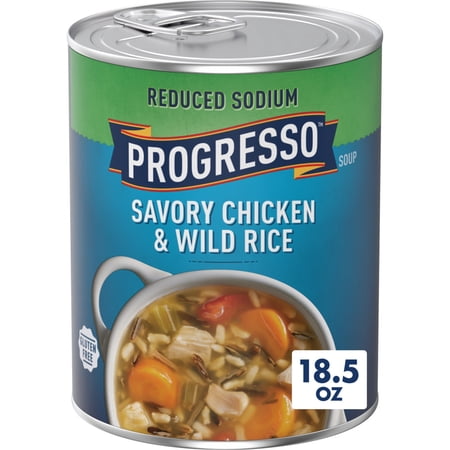


Progresso Reduced Sodium Savory Chicken & Wild Rice Soup
Analysis updated May 2026 · How Scout scores
At a glance
Summary
This soup contains beneficial ingredients like chicken broth, carrots, and tomatoes, which provide essential nutrients. However, it is heavily processed with ingredients such as hydrolyzed corn protein and soy protein isolate, which are highly processed and can contain additives like free glutamates. The presence of sodium phosphate and natural flavors further contributes to its high processing level, limiting its overall healthiness despite the reduced sodium content.
Key ingredients 15
Chicken brothGood
Chicken broth is a flavorful base that provides some protein and minerals. It is typically made by simmering chicken bones and meat, which can release beneficial nutrients. The quality of the broth can vary based on the chicken's diet and the broth's preparation method.
Risks
Potential for high sodium content if not reduced, which can affect blood pressure.
Benefits
Provides a source of protein and minerals, and can be soothing and hydrating.
CarrotsGood
Carrots are a nutritious vegetable rich in beta-carotene, fiber, and antioxidants. They are typically low in calories and provide essential vitamins like vitamin A. Cooking carrots can enhance the bioavailability of beta-carotene.
Benefits
Rich in beta-carotene, which is converted to vitamin A, supporting vision and immune function.
Cooked white chicken meatGood
Cooked white chicken meat is a lean source of protein that supports muscle maintenance and repair. It is typically low in fat and provides essential amino acids. The quality of the meat can vary based on the chicken's diet and living conditions.
Benefits
Provides high-quality protein and essential amino acids necessary for various bodily functions.
TomatoesGood
Tomatoes are a rich source of vitamins C and K, potassium, and antioxidants like lycopene. They are low in calories and can enhance the flavor of dishes. Cooking tomatoes can increase the bioavailability of lycopene.
Benefits
Rich in antioxidants and vitamins, supporting heart health and reducing inflammation.
Cooked wild riceNeutral
Cooked wild rice is a whole grain that provides fiber and some protein. It is less processed than white rice and retains more nutrients. Wild rice has a nutty flavor and chewy texture, adding variety to dishes.
Benefits
Provides fiber and some protein, contributing to satiety and digestive health.
Cooked riceNeutral
Cooked rice is a staple carbohydrate source that provides energy. It is often used as a filler in soups and stews. The nutritional value can vary depending on the type of rice used.
Benefits
Provides carbohydrates for energy.
CeleryNeutral
Celery is a low-calorie vegetable that provides fiber and some vitamins. It is often used for its crunchy texture and mild flavor. Celery is mostly water, contributing to hydration.
Benefits
Provides fiber and hydration, with minimal calories.
Potassium chlorideNeutral
Potassium chloride is used as a salt substitute to reduce sodium content in foods. It provides potassium, an essential mineral for heart and muscle function. While beneficial in moderation, excessive intake can lead to hyperkalemia.
Risks
Excessive intake can lead to hyperkalemia, affecting heart function.
Benefits
Helps reduce sodium content while providing essential potassium.
SaltNeutral
Salt is used to enhance flavor and preserve food. It is essential for various bodily functions but should be consumed in moderation. Excessive salt intake can lead to high blood pressure and other health issues.
Risks
Excessive intake can lead to high blood pressure and cardiovascular issues.
Benefits
Enhances flavor and acts as a preservative.
Citric acidNeutral
Citric acid is a natural preservative and flavor enhancer found in citrus fruits. It is used to add acidity and preserve freshness in foods. While generally safe, excessive consumption can cause digestive discomfort.
Risks
Excessive consumption can cause digestive discomfort.
Benefits
Enhances flavor and preserves freshness.
Modified food starchBad
Chemically modified starch additive.
Benefits
Improves texture and stability of the product.
Corn protein (hydrolyzed)Bad
Hydrolyzed corn protein is used as a flavor enhancer and source of amino acids. It is a processed ingredient that can contain free glutamates, similar to MSG. The processing method may raise concerns for those sensitive to glutamates.
Risks
May cause reactions in individuals sensitive to glutamates.
Benefits
Provides amino acids and enhances flavor.
Soy protein isolateBad
Soy protein isolate is a highly processed form of soy used to boost protein content. It lacks the complete amino acid profile found in animal proteins. The processing can also lead to the presence of anti-nutrients and allergens.
Risks
May contain anti-nutrients and allergens; less bioavailable than animal proteins.
Benefits
Provides a plant-based protein source.
Sodium phosphateBad
Sodium phosphate is used as an emulsifier and preservative in processed foods. It can contribute to an imbalance in phosphate levels when consumed in excess. Overconsumption may affect kidney function and bone health.
Risks
Excessive intake may affect kidney function and bone health.
Benefits
Acts as an emulsifier and preservative, improving texture and shelf life.
Natural flavorBad
Natural flavor is a catch-all term for flavoring agents derived from natural sources. The lack of transparency can be concerning for those with allergies or sensitivities. It often indicates a highly processed ingredient with minimal nutritional value.
Risks
Lack of transparency can be concerning for allergies or sensitivities.
Benefits
Enhances flavor without adding calories.
Processing
Ultra-Processed Foods
Get the full breakdown in the Scout appTake Scout shopping
Scan any product to see lab results, healthy alternatives, and your personalized analysis.
Download on theApp Store GET IT ONGoogle PlayAmazon pricing & content
Amazon price as of . Product prices and availability are accurate as of the date/time indicated and are subject to change. Any price and availability information displayed on Amazon.com at the time of purchase will apply to the purchase of this product.
CERTAIN CONTENT THAT APPEARS ON THIS SITE COMES FROM AMAZON. THIS CONTENT IS PROVIDED “AS IS” AND IS SUBJECT TO CHANGE OR REMOVAL AT ANY TIME.