


Marks & Spencer Greek Salad
Analysis updated August 2026 · How Scout scores
At a glance
Summary
This Greek Salad contains a variety of beneficial whole food ingredients such as plum tomatoes, cucumbers, and extra virgin olive oil, which provide essential nutrients and healthy fats. However, the presence of rapeseed oil and vegetable oil, which are highly processed and high in omega-6 fatty acids, detracts from its overall healthiness. The salad is moderately processed, which limits its score despite the presence of several nutritious components.
Key ingredients 18
Plum tomatoesVery Good
Plum tomatoes are rich in vitamins A and C, which are essential for immune function and skin health. They contain lycopene, an antioxidant linked to reduced risk of chronic diseases. Being a whole food, they are minimally processed and retain their nutritional integrity.
Benefits
High in antioxidants and vitamins that support overall health and reduce inflammation.
Extra virgin olive oilVery Good
Extra virgin olive oil is a high-quality monounsaturated fat with anti-inflammatory properties. It contains antioxidants that support heart health. Cold-pressed extraction preserves beneficial compounds.
Benefits
Rich in monounsaturated fats that support heart health and provide anti-inflammatory properties.
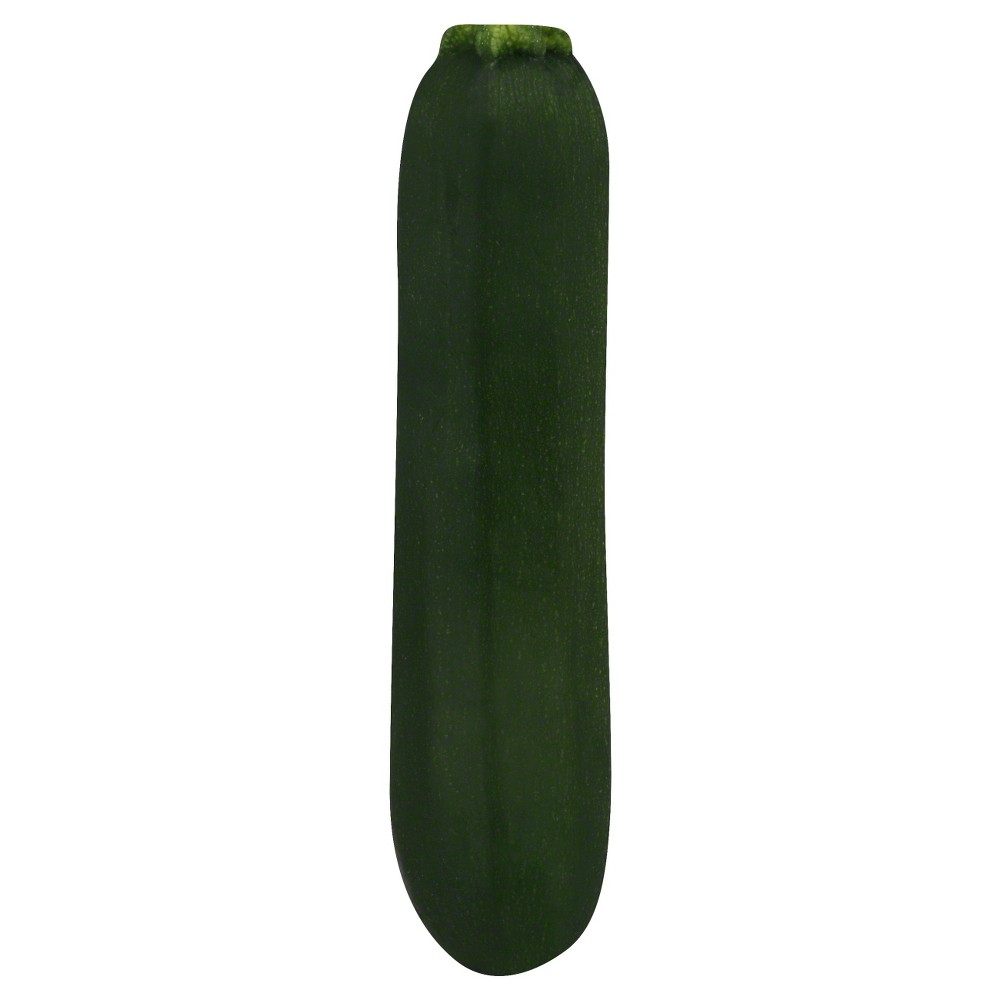
CucumberGood
Cucumbers are low in calories and high in water content, making them hydrating and refreshing. They provide small amounts of vitamin K and potassium. As a whole food, they are minimally processed and contribute to hydration and nutrient intake.
Benefits
Provides hydration and essential nutrients with minimal calories.
Feta cheeseGood
Feta cheese is a source of calcium and protein, important for bone health and muscle function. It is a fermented dairy product, which may contain beneficial probiotics. Made from sheep's milk, it offers a unique nutrient profile compared to cow's milk cheeses.
Risks
Contains lactose, which may be a concern for those with lactose intolerance.
Benefits
Rich in calcium and protein, supporting bone health and muscle function.
Red onionsGood
Red onions are rich in antioxidants, particularly quercetin, which has anti-inflammatory properties. They add flavor and nutrients with minimal calories. As a whole food, they are minimally processed and contribute to a balanced diet.
Risks
May cause digestive discomfort in some individuals due to their fiber content.
Benefits
Provides antioxidants and flavor with minimal calories.
Kalamata olivesGood
Kalamata olives are high in healthy monounsaturated fats and antioxidants. They provide vitamin E and polyphenols, which support heart health. As a traditional food, they are minimally processed and offer unique flavors and nutrients.
Risks
High in sodium, which may be a concern for those monitoring salt intake.
Benefits
Rich in healthy fats and antioxidants that support heart health.
Lemon juiceGood
Lemon juice is rich in vitamin C, an essential nutrient for immune function and skin health. It adds flavor and acidity to dishes without adding calories. As a natural ingredient, it is minimally processed and retains its nutritional benefits.
Benefits
Rich in vitamin C and enhances flavor without adding calories.
Garlic puréeGood
Garlic purée provides allicin, a compound with antimicrobial and anti-inflammatory properties. It enhances flavor and offers health benefits when consumed regularly. As a processed form of garlic, it retains many of the raw garlic's benefits.
Risks
May cause digestive discomfort in some individuals.
Benefits
Offers antimicrobial and anti-inflammatory benefits while enhancing flavor.
MintGood
Mint is a natural herb that provides aromatic compounds and potential digestive benefits. It adds flavor and freshness to dishes. As a whole food, it is minimally processed and offers unique health benefits.
Benefits
Provides aromatic compounds and potential digestive benefits.
Dried oreganoGood
Dried oregano is rich in antioxidants and has antimicrobial properties. It adds flavor and nutrients to dishes. As a dried herb, it retains many of the fresh herb's benefits and is minimally processed.
Benefits
Rich in antioxidants and enhances flavor with antimicrobial properties.
Lemon zestGood
Lemon zest contains essential oils and antioxidants that provide flavor and health benefits. It enhances dishes with a citrus aroma and is minimally processed. As a natural ingredient, it offers unique nutritional benefits.
Benefits
Provides essential oils and antioxidants, enhancing flavor and aroma.
ParsleyGood
Parsley is rich in vitamins A, C, and K, supporting immune function and bone health. It adds flavor and nutrients to dishes. As a fresh herb, it is minimally processed and offers significant health benefits.
Benefits
Rich in vitamins and enhances flavor while supporting health.
Dried paprika flakesGood
Dried paprika flakes provide antioxidants and add color and flavor to dishes. They are rich in vitamin A, supporting vision and immune health. As a dried spice, they are minimally processed and retain many of the fresh spice's benefits.
Benefits
Rich in antioxidants and vitamin A, enhancing flavor and color.
Mint infused vegetable oilNeutral
Mint infused vegetable oil adds flavor but its nutritional impact depends on the base oil used. If made with seed oils, it may have a high omega-6 content. The mint infusion provides aromatic compounds but minimal nutritional benefits.
Risks
Potential high omega-6 content if made with seed oils.
Benefits
Provides flavor enhancement with minimal nutritional benefits.
SaltNeutral
Salt is essential for maintaining fluid balance and nerve function. It enhances flavor but should be consumed in moderation to avoid health issues. As a refined product, it lacks the trace minerals found in unrefined salts.
Risks
Excessive intake can lead to high blood pressure and other health issues.
Benefits
Essential for fluid balance and nerve function, enhances flavor.
Red wine vinegarNeutral
Red wine vinegar adds acidity and flavor to dishes without adding calories. It is made through the fermentation of red wine, retaining some antioxidants. As a culinary ingredient, it is minimally processed and enhances flavor.
Benefits
Enhances flavor and provides some antioxidants without adding calories.
Rapeseed oilVery Bad
Rapeseed oil is a seed oil high in omega-6 fatty acids, which can promote inflammation when consumed in excess. It is highly processed, often involving chemical extraction methods. Compared to other oils, it lacks beneficial compounds found in less processed oils.
Risks
High omega-6 content may promote inflammation when consumed in excess.
Vegetable oilVery Bad
Vegetable oil, often a blend of seed oils like sunflower or rapeseed, is high in omega-6 fatty acids. It is highly processed and lacks the beneficial compounds found in less processed oils. Its high omega-6 content can contribute to inflammation when consumed in excess.
Risks
High omega-6 content may promote inflammation when consumed in excess.
Processing
Processed Foods
Get the full breakdown in the Scout appTake Scout shopping
Scan any product to see lab results, healthy alternatives, and your personalized analysis.
Download on theApp Store GET IT ONGoogle PlayAmazon pricing & content
Amazon price as of . Product prices and availability are accurate as of the date/time indicated and are subject to change. Any price and availability information displayed on Amazon.com at the time of purchase will apply to the purchase of this product.
CERTAIN CONTENT THAT APPEARS ON THIS SITE COMES FROM AMAZON. THIS CONTENT IS PROVIDED “AS IS” AND IS SUBJECT TO CHANGE OR REMOVAL AT ANY TIME.