

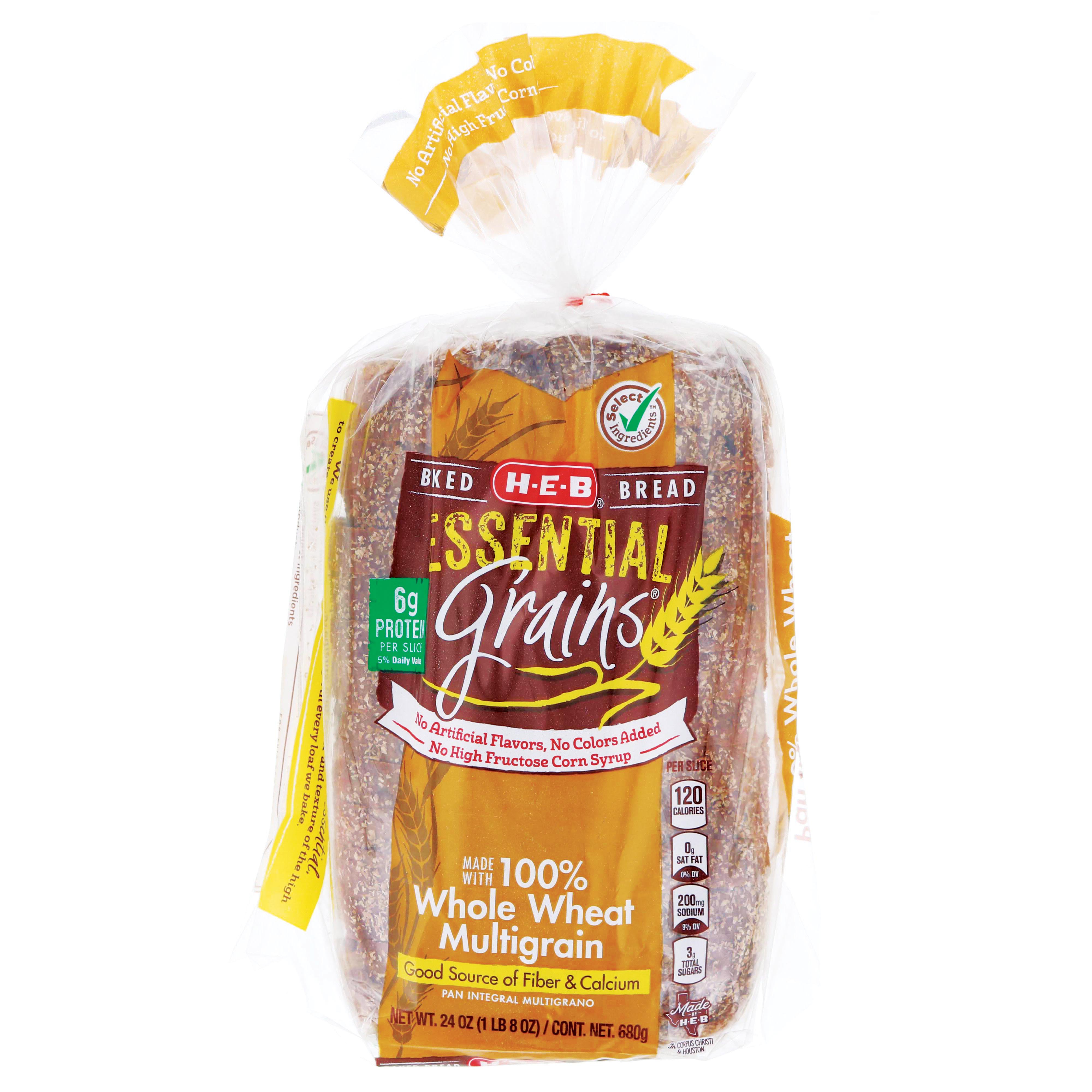


:format(jpg)/d2lnr5mha7bycj.cloudfront.net/product-image/file/large_4dd0cb05-9b18-4332-bf4f-0bf8c3a2b6c4.jpg)




Trader Joe's Sprouted Wheat Multigrain Bread
Trader Joe'sAnalysis updated June 2026 · How Scout scores
Near you
Trader Joe's is carried at Trader Joe stores. Find one within 25 miles.
At a glance
Summary
This bread features a variety of organic grains and sprouted wheat berries, which are beneficial for nutrient absorption and provide a diverse range of nutrients. However, it is classified as ultra-processed due to the inclusion of additives like sunflower lecithin and the presence of wheat gluten. Despite its clean ingredient list, the processing level limits its score.
Key ingredients 14
organic sprouted wheat berriesGood
This ingredient is a natural whole grain that provides essential nutrients and fiber, supporting overall health and digestion.
Organic Cracked WheatGood
Part of organic grain mix. This mix includes various whole grains and seeds that contribute fiber, healthy fats, and nutrients beneficial for a balanced diet.
Organic Corn MealGood
Part of organic grain mix. This mix includes various whole grains and seeds that contribute fiber, healthy fats, and nutrients beneficial for a balanced diet.
Organic MilletGood
Part of organic grain mix. This mix includes various whole grains and seeds that contribute fiber, healthy fats, and nutrients beneficial for a balanced diet.
See more about Organic Millet →Organic Flax SeedsGood
Part of organic grain mix. This mix includes various whole grains and seeds that contribute fiber, healthy fats, and nutrients beneficial for a balanced diet.
Organic Rolled OatsGood
Part of organic grain mix. This mix includes various whole grains and seeds that contribute fiber, healthy fats, and nutrients beneficial for a balanced diet.
See more about Organic Rolled Oats →Organic Rye FlakesGood
Part of organic grain mix. This mix includes various whole grains and seeds that contribute fiber, healthy fats, and nutrients beneficial for a balanced diet.
Organic Sunflower SeedsGood
Part of organic grain mix. This mix includes various whole grains and seeds that contribute fiber, healthy fats, and nutrients beneficial for a balanced diet.
See more about Organic Sunflower Seeds →honeyGood
Traditional whole-food sweetener with trace enzymes and antioxidants.
See more about honey →sea saltGood
Sea salt provides essential minerals and enhances flavor, used in moderation it supports a balanced diet.
See more about sea salt →waterNeutral
Water is a basic, essential component in bread making, serving as a solvent and moisture provider without added health concerns.
See more about water →wheat glutenNeutral
Wheat gluten is a protein used to improve bread texture; it does not inherently carry positive or negative health effects.
See more about wheat gluten →wheat molassesNeutral
Wheat molasses provides natural sweetness and minerals, contributing to flavor without significant health risks.
cultured wheatNeutral
Cultured wheat involves fermentation, which can enhance digestibility and flavor, with no negative health implications.
See more about cultured wheat →Processing
Ultra-Processed Foods
Get the full breakdown in the Scout appTake Scout shopping
Scan any product to see lab results, healthy alternatives, and your personalized analysis.
Download on theApp Store GET IT ONGoogle PlayAmazon pricing & content
Amazon price as of . Product prices and availability are accurate as of the date/time indicated and are subject to change. Any price and availability information displayed on Amazon.com at the time of purchase will apply to the purchase of this product.
CERTAIN CONTENT THAT APPEARS ON THIS SITE COMES FROM AMAZON. THIS CONTENT IS PROVIDED “AS IS” AND IS SUBJECT TO CHANGE OR REMOVAL AT ANY TIME.