

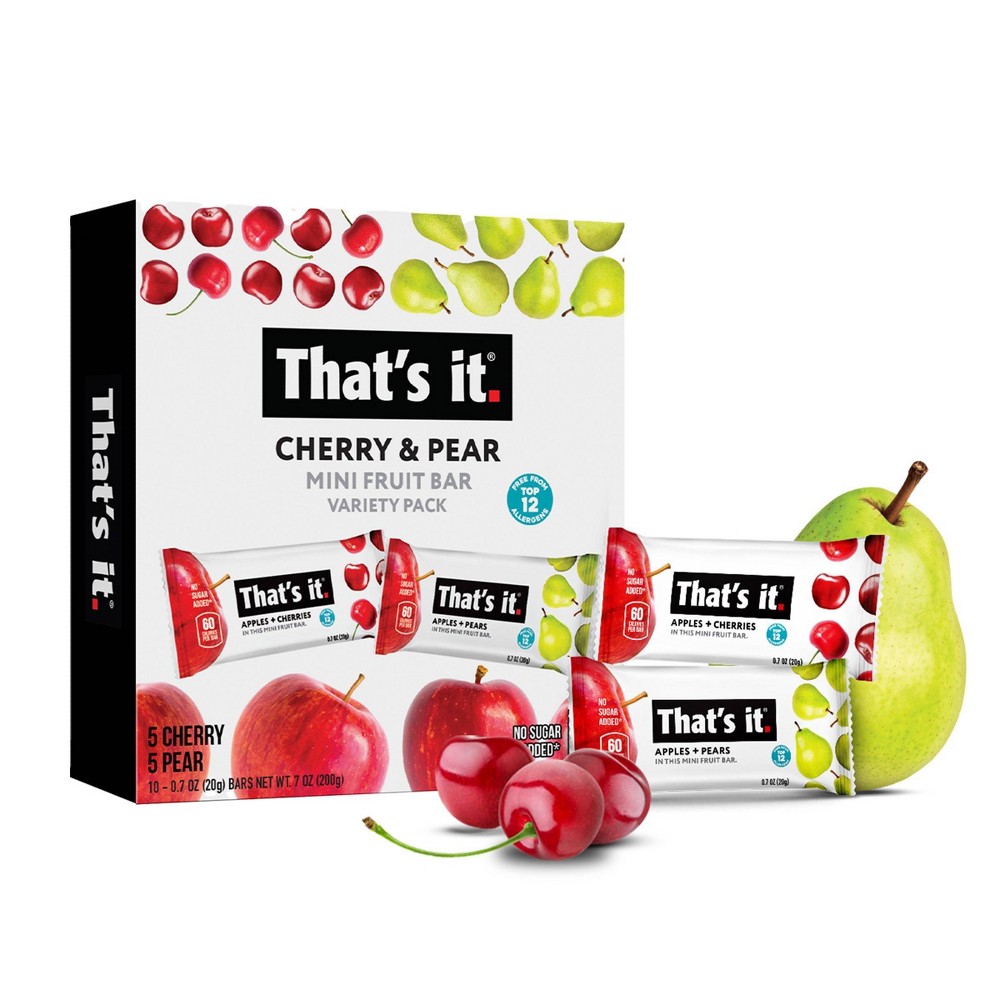


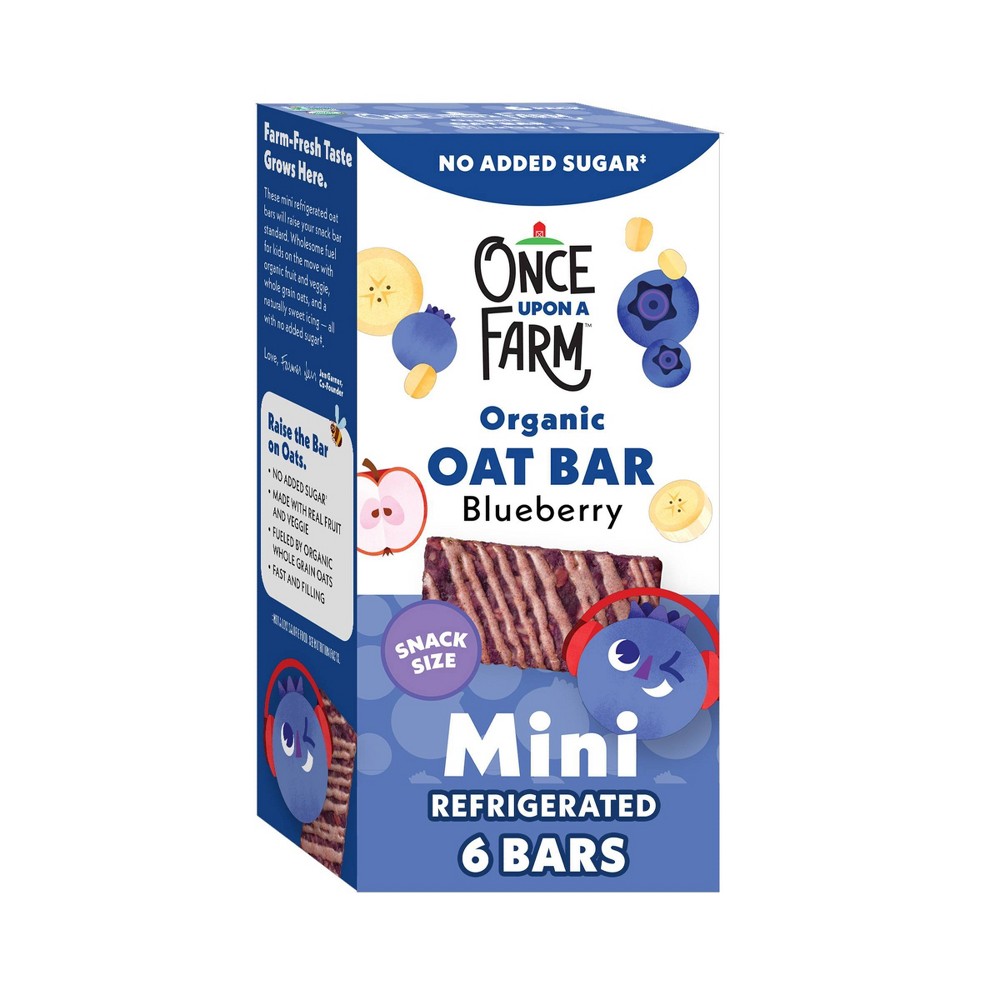
this apple walks into a bar... Cereal Bars
Near you
Trader Joe's is carried at Trader Joe stores. Find one within 25 miles.
Summary
This cereal bar contains several beneficial ingredients like dehydrated apples and organic oats, which provide fiber and nutrients. However, it is heavily processed with multiple additives and includes refined sugars and seed oils, which are linked to health concerns. The presence of natural flavors and a high level of processing further impact its overall healthiness.
At a glance
Key ingredients 15
Organic Cane SugarBad
Organic cane sugar is a refined sugar that contributes to high caloric intake without providing essential nutrients. It is processed to remove impurities, resulting in a product that can contribute to weight gain and metabolic issues. Despite being organic, it still poses similar health risks as conventional refined sugars.
Risks
Excessive consumption can lead to obesity, insulin resistance, and dental cavities.
Dehydrated ApplesGood
Dehydrated apples are a concentrated source of fiber and natural sugars, providing a sweet flavor without added sugars. The dehydration process preserves most of the nutrients found in fresh apples, including vitamins and antioxidants. They offer a convenient way to consume fruit and can contribute to daily fruit intake.
Risks
May contain sulfites as preservatives, which can cause allergic reactions in sensitive individuals.
Benefits
Rich in dietary fiber and antioxidants, supporting digestive health and reducing oxidative stress.
Fruit Juice ConcentratesNeutral
Fruit juice concentrates are used to enhance sweetness and flavor in processed foods. They are made by removing water from fruit juice, which can concentrate sugars and reduce the overall nutrient content. While they provide natural sweetness, they lack the fiber and full nutrient profile of whole fruits.
Risks
High in sugars, which can contribute to increased calorie intake and potential blood sugar spikes.
Benefits
Provides natural fruit flavors and some vitamins, though less than whole fruits.
Tapioca StarchNeutral
Tapioca starch is a gluten-free thickening agent derived from the cassava root. It is used to improve texture and stability in food products. While it is a refined carbohydrate, it is generally considered safe and non-allergenic.
Benefits
Provides a gluten-free alternative for thickening and stabilizing foods.
GlycerinNeutral
Glycerin is a sugar alcohol used as a sweetener and humectant in food products. It helps retain moisture and improve texture. It is generally recognized as safe, but excessive consumption can have laxative effects.
Risks
May cause digestive discomfort or laxative effects if consumed in large amounts.
Benefits
Helps maintain moisture and improve texture in food products.
Natural FlavorBad
Natural flavors are additives used to enhance taste, but their exact composition is often undisclosed, leading to potential allergen concerns. They are derived from natural sources but can be highly processed. The lack of transparency in their composition can be problematic for individuals with allergies or sensitivities.
Risks
Potential allergen risk due to undisclosed ingredients and processing methods.
Citric AcidNeutral
Citric acid is a natural preservative and flavor enhancer commonly used in food products. It is produced through fermentation and is generally recognized as safe. It helps maintain freshness and enhances the tartness of foods.
Benefits
Acts as a preservative and flavor enhancer, contributing to product stability and taste.
PectinGood
Pectin is a natural fiber found in fruits, used as a gelling agent in food products. It is extracted from citrus fruits and apples, providing a source of soluble fiber. Pectin can aid in digestion and help lower cholesterol levels.
Benefits
Provides soluble fiber that supports digestive health and may help lower cholesterol.
CinnamonGood
Cinnamon is a spice known for its antioxidant properties and potential health benefits. It is derived from the bark of cinnamon trees and is used to enhance flavor and aroma. Cinnamon may help regulate blood sugar levels and has anti-inflammatory effects.
Risks
Excessive consumption may lead to liver damage due to coumarin content in some cinnamon varieties.
Benefits
Rich in antioxidants and may help regulate blood sugar levels and reduce inflammation.
Locust Bean GumNeutral
Locust bean gum is a natural thickening agent derived from the seeds of the carob tree. It is used to improve texture and stability in food products. It is generally recognized as safe and is a common additive in processed foods.
Benefits
Provides a natural thickening and stabilizing effect in food products.
Annatto ExtractNeutral
Annatto extract is a natural coloring agent derived from the seeds of the achiote tree. It is used to impart a yellow or orange color to foods. While it is a natural alternative to synthetic dyes, it can cause allergic reactions in sensitive individuals.
Risks
May cause allergic reactions in some individuals.
Benefits
Provides natural coloring without synthetic additives.
Organic Wheat FlourNeutral
Organic wheat flour is a staple ingredient in many baked goods, providing structure and texture. It is made from organically grown wheat, which reduces exposure to synthetic pesticides. While it is a source of carbohydrates, it lacks the fiber and nutrients found in whole grain flours.
Risks
Contains gluten, which can cause issues for individuals with celiac disease or gluten sensitivity.
Benefits
Provides carbohydrates for energy and is organically sourced, reducing pesticide exposure.
Organic Invert Cane SyrupBad
Organic invert cane syrup is a liquid sweetener made by splitting sucrose into glucose and fructose. It is used to enhance sweetness and improve texture in food products. Despite being organic, it is still a refined sugar with similar health concerns as conventional sweeteners.
Risks
Contributes to high sugar intake, which can lead to metabolic issues and dental problems.
Organic Expeller Pressed Canola OilVery Bad
Canola oil is a seed oil high in omega-6 fatty acids, which can promote inflammation when consumed in excess. Even though it is expeller pressed, which is a less refined process, it still poses health concerns due to its fatty acid profile. The organic label reduces pesticide exposure but does not mitigate the inherent issues with seed oils.
Risks
High omega-6 content may promote inflammation and imbalance omega-3 to omega-6 ratios.
Organic OatsGood
Organic oats are a whole grain rich in fiber, vitamins, and minerals, supporting heart health and digestion. They are minimally processed and organically grown, reducing exposure to synthetic pesticides. Oats can help lower cholesterol levels and provide sustained energy.
Benefits
Rich in dietary fiber and nutrients, supporting heart health and providing sustained energy.
Processing
Ultra-Processed Foods
Get the full breakdown in the Scout app
Scan any product to see lab results, healthy alternatives, and your personalized analysis.
Download on theApp Store