

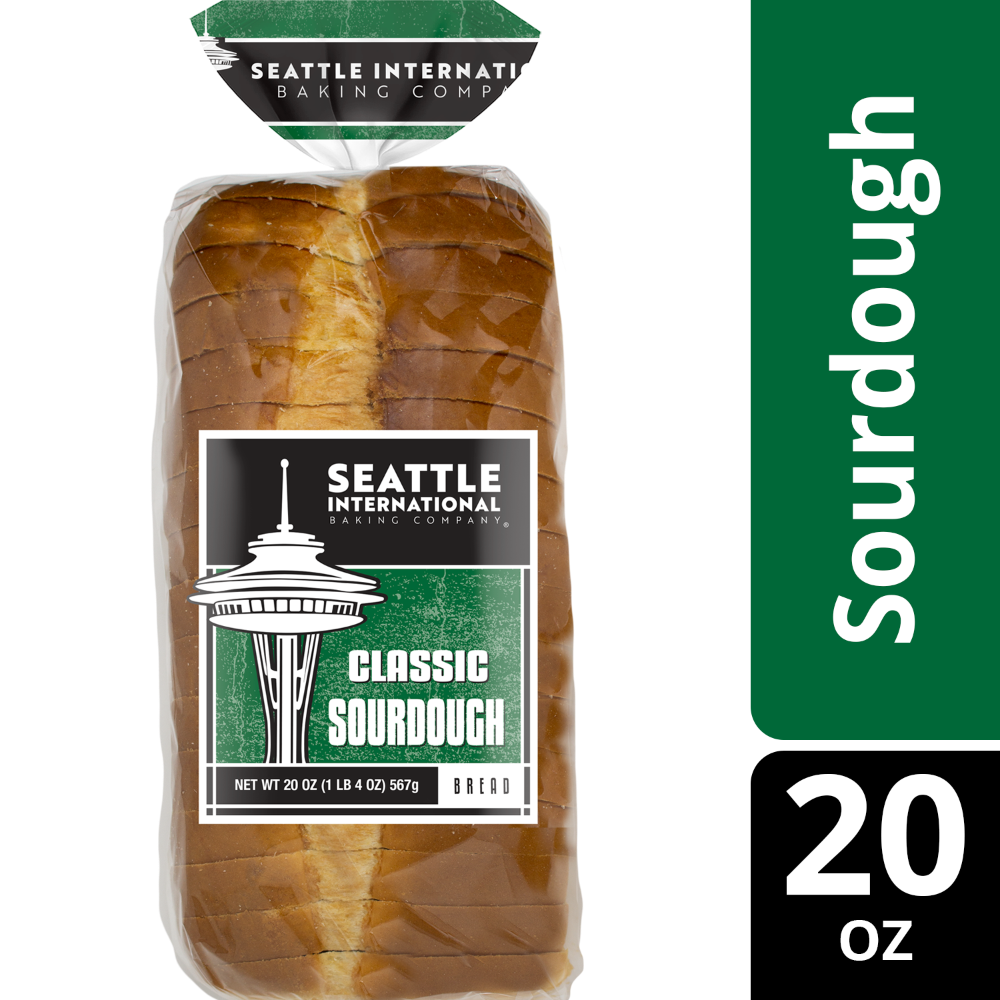


SANDWICH ROLLS
Near you
TRADER JOE'S is carried at Trader Joe stores. Find one within 25 miles.
Summary
The sandwich rolls contain canola oil, which is a highly processed seed oil that can contribute to inflammation, and added sugar, which is a refined carbohydrate linked to health issues when consumed in excess. Despite these concerns, the product has a relatively short ingredient list and lacks artificial additives, but its processing level limits its overall healthiness.
At a glance
Key ingredients 12
Unbleached enriched flourNeutral
Unbleached enriched flour is a common ingredient in bread products, providing structure and texture. It is enriched with vitamins and minerals like niacin, iron, thiamine, riboflavin, and folic acid to replace nutrients lost during processing. However, it lacks the fiber and nutrients found in whole grain flours.
Risks
May contribute to blood sugar spikes due to its high glycemic index and lack of fiber.
Benefits
Provides essential vitamins and minerals due to enrichment, supporting overall nutritional intake.
WaterNeutral
Water is a fundamental ingredient in bread making, contributing to the dough's consistency and hydration. It helps activate yeast and enzymes, facilitating the fermentation process. Water quality can affect the final product's taste and texture.
Benefits
Essential for dough formation and yeast activation, contributing to the bread's texture and rise.
SaltNeutral
Salt is used in bread to enhance flavor and control yeast activity. It strengthens gluten structure, improving dough elasticity and texture. Excessive salt intake can lead to health issues such as hypertension.
Risks
High sodium intake may increase the risk of hypertension and cardiovascular diseases.
Benefits
Enhances flavor and strengthens gluten structure, contributing to better dough texture.
Malted wheat flourNeutral
Malted wheat flour is used to enhance flavor and improve dough fermentation. It contains enzymes that break down starches into sugars, feeding yeast and aiding in leavening. It is typically used in small amounts and does not significantly impact nutritional value.
Benefits
Improves fermentation and flavor, contributing to the bread's overall quality.
Barley malt extractNeutral
Barley malt extract is used as a natural sweetener and flavor enhancer in bread. It provides sugars that feed yeast, aiding in fermentation and browning. It is minimally processed and retains some nutrients from barley.
Risks
Contains sugars that may contribute to caloric intake.
Benefits
Enhances flavor and aids in fermentation, contributing to a richer taste and texture.
Canola oilVery Bad
Canola oil is a seed oil high in omega-6 fatty acids, which can promote inflammation when consumed in excess. It is often highly processed, involving chemical extraction and refining. Alternatives like olive oil or avocado oil offer healthier fat profiles.
Risks
High omega-6 content may promote inflammation when consumed in excess.
YeastNeutral
Yeast is a crucial ingredient in bread making, responsible for fermentation and leavening. It converts sugars into carbon dioxide and alcohol, causing the dough to rise. Yeast is a natural ingredient with no significant health concerns.
Benefits
Essential for fermentation and leavening, contributing to the bread's texture and volume.
SugarBad
Sugar is added to bread to enhance flavor and aid in yeast fermentation. It is a refined carbohydrate that can contribute to blood sugar spikes and increased caloric intake. Excessive consumption of refined sugars is linked to various health issues.
Risks
May contribute to blood sugar spikes and increased risk of metabolic disorders when consumed in excess.
Benefits
Aids in yeast fermentation and enhances flavor, but offers no significant nutritional benefits.
Distilled vinegarNeutral
Distilled vinegar is used in bread to enhance flavor and act as a preservative. It is made through the fermentation of ethanol and is generally considered safe. It can help improve the shelf life of bread by inhibiting mold growth.
Benefits
Acts as a natural preservative and flavor enhancer, contributing to bread's shelf life and taste.
Cultured wheat flourNeutral
Cultured wheat flour is used as a natural preservative in bread products. It is made by fermenting wheat flour with specific bacteria, producing organic acids that inhibit mold growth. It is a clean-label alternative to chemical preservatives.
Benefits
Acts as a natural preservative, extending shelf life without synthetic additives.
Ascorbic acidNeutral
Ascorbic acid, also known as vitamin C, is used in bread making to strengthen dough and improve volume. It is a natural antioxidant that helps maintain the quality of the bread. It is generally recognized as safe and beneficial in small amounts.
Benefits
Improves dough strength and volume, contributing to better bread texture and quality.
EnzymesNeutral
Enzymes are added to bread to improve dough handling and extend shelf life. They break down starches and proteins, enhancing fermentation and texture. Enzymes are naturally occurring and generally considered safe.
Benefits
Enhances dough handling and texture, contributing to improved bread quality.
Processing
Processed Foods
Get the full breakdown in the Scout app
Scan any product to see lab results, healthy alternatives, and your personalized analysis.
Download on theApp Store