


At a glance
Summary
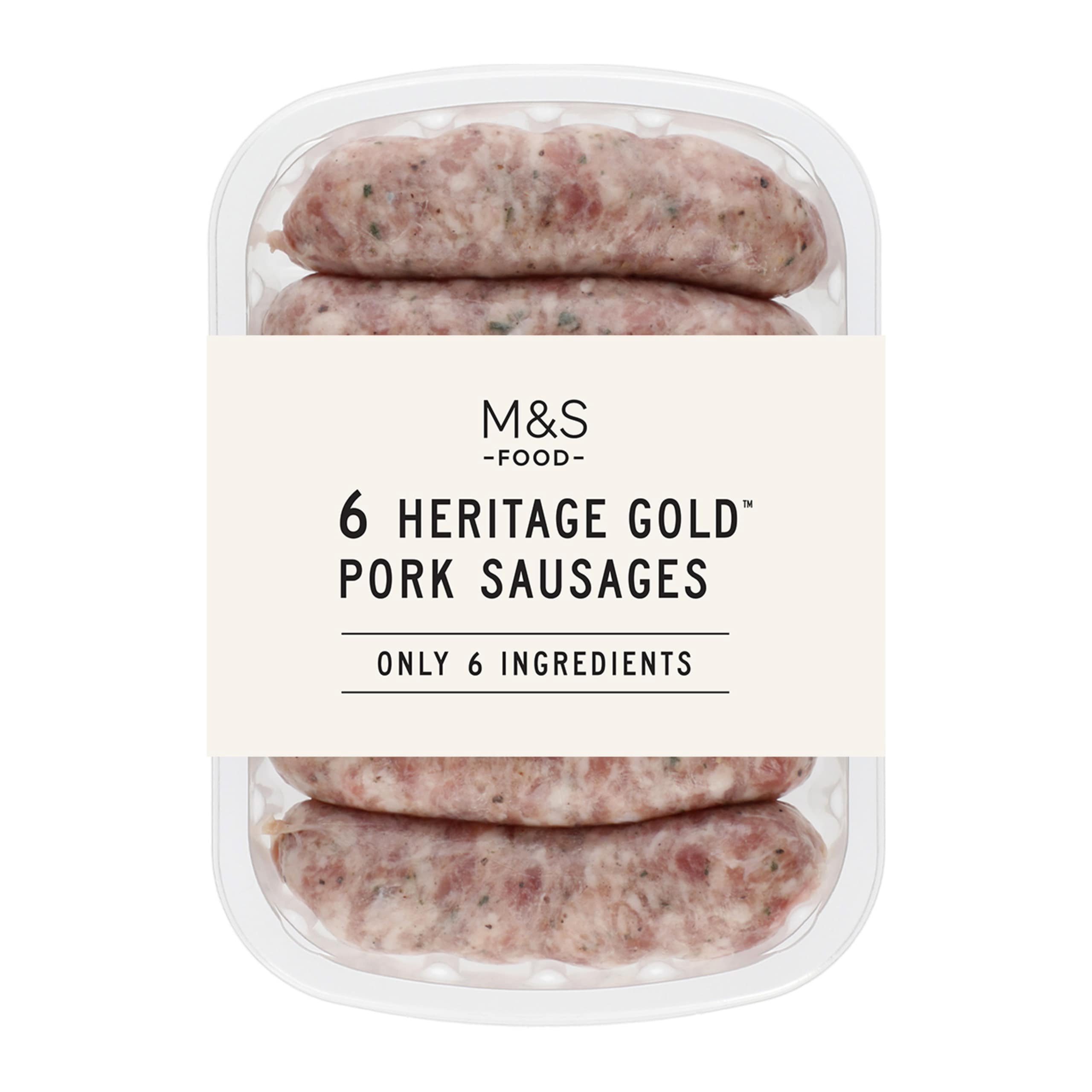
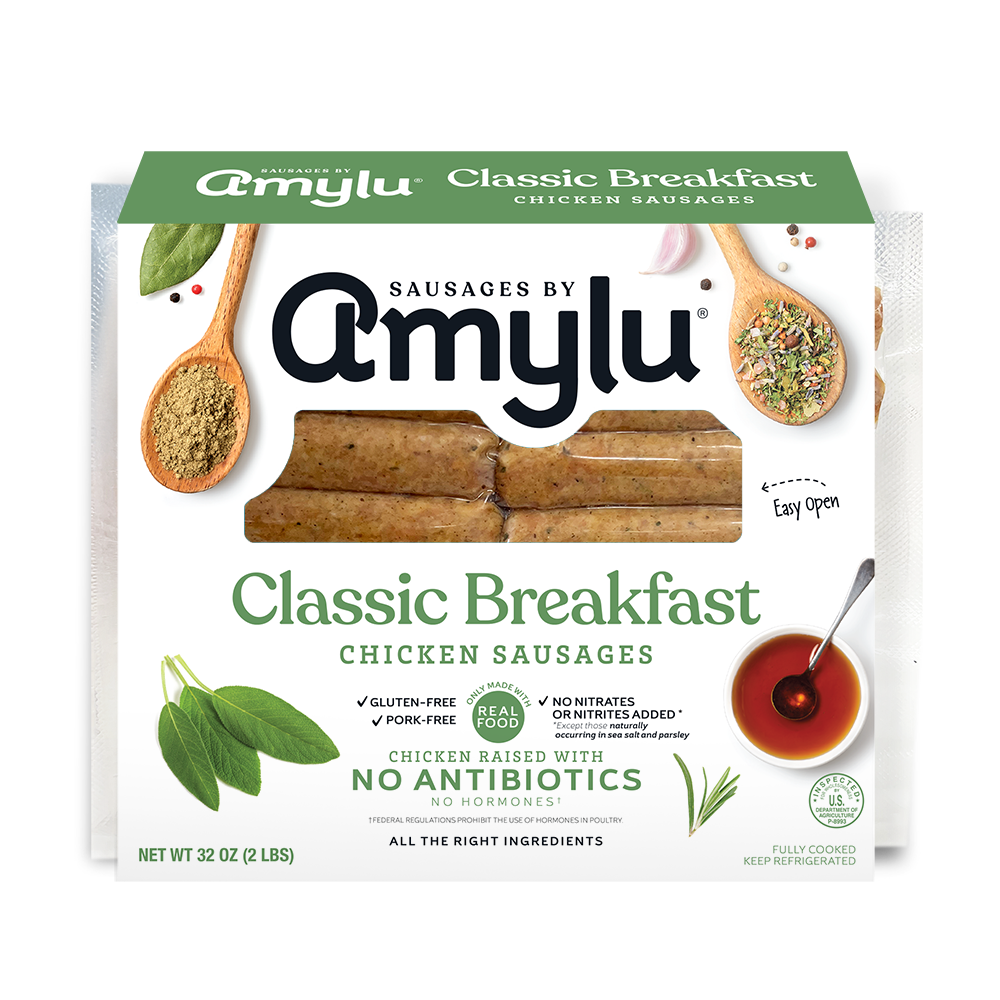
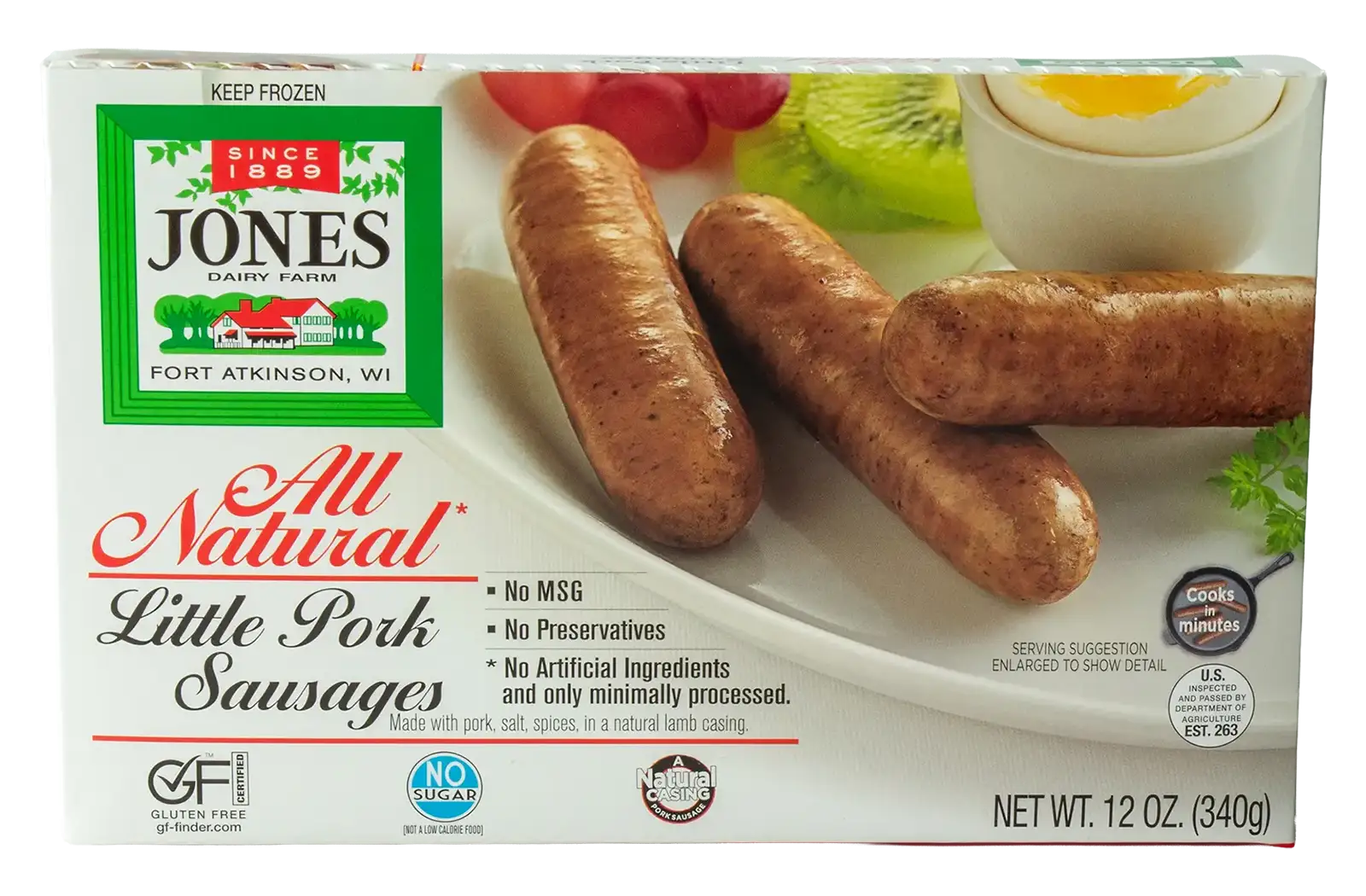
This sausage product contains high-quality British Aberdeen Angus beef, which is a good source of protein and nutrients. However, it is processed and includes a preservative (E223) that can cause allergic reactions in sensitive individuals. The presence of additives and the processing level limit its healthiness compared to less processed meat products.
Key ingredients 10
British Aberdeen Angus BeefGood
High-quality beef known for its rich flavor and tenderness. Grass-fed beef is often higher in omega-3 fatty acids and antioxidants. It provides a good source of protein and essential nutrients.
Benefits
Rich in protein and essential nutrients like iron and B vitamins, supporting muscle growth and overall health.
Red OnionsGood
Red onions are a source of antioxidants and have anti-inflammatory properties. They contain quercetin, which may help reduce blood pressure. They add flavor and nutritional value to dishes.
Benefits
Provides antioxidants and may support heart health due to its quercetin content.
Gluten Free CrumbNeutral
A blend of rice flour, chickpea flour, and cornflour used as a binding agent. It is gluten-free, making it suitable for those with gluten intolerance. It does not provide significant nutritional benefits.
Benefits
Suitable for gluten-free diets, providing a binding function without gluten.
SaltNeutral
Common seasoning used to enhance flavor. It is essential for maintaining fluid balance and nerve function. Excessive consumption can lead to health issues like hypertension.
Risks
High sodium intake can increase the risk of hypertension and cardiovascular diseases.
Benefits
Essential for maintaining fluid balance and nerve function.
Cracked Black PepperNeutral
A spice that adds flavor and has antioxidant properties. It contains piperine, which may enhance nutrient absorption. It is used in small quantities and does not provide significant nutritional benefits.
Benefits
May enhance nutrient absorption and provides antioxidant properties.
Antioxidant: Ascorbic AcidNeutral
Commonly known as vitamin C, used as an antioxidant to prevent oxidation. It helps maintain the color and freshness of food. It is generally safe and beneficial in small amounts.
Benefits
Acts as an antioxidant and helps maintain the color and freshness of food.
Ground White PepperNeutral
A spice used for flavoring, similar to black pepper but milder. It contains piperine, which may enhance nutrient absorption. It is used in small quantities and does not provide significant nutritional benefits.
Benefits
May enhance nutrient absorption and provides mild flavor.
Dried Green PeppersNeutral
Dried green peppers add flavor and color to dishes. They contain vitamins and antioxidants but are used in small quantities. They do not provide significant nutritional benefits in this form.
Benefits
Adds flavor and color, with some vitamins and antioxidants.
Dried Red PeppersNeutral
Dried red peppers are used for flavor and color. They contain vitamins and antioxidants but are used in small quantities. They do not provide significant nutritional benefits in this form.
Benefits
Adds flavor and color, with some vitamins and antioxidants.
Preservative: E223 (Sulphites)Bad
Used to preserve food and prevent spoilage. Sulphites can cause allergic reactions in sensitive individuals. They are commonly used in processed foods to extend shelf life.
Risks
May cause allergic reactions or asthma symptoms in sensitive individuals.
Benefits
Helps to preserve food and prevent spoilage, extending shelf life.
Processing
Processed Foods
Get the full breakdown in the Scout appTake Scout shopping
Scan any product to see lab results, healthy alternatives, and your personalized analysis.
Download on theApp Store GET IT ONGoogle Play