


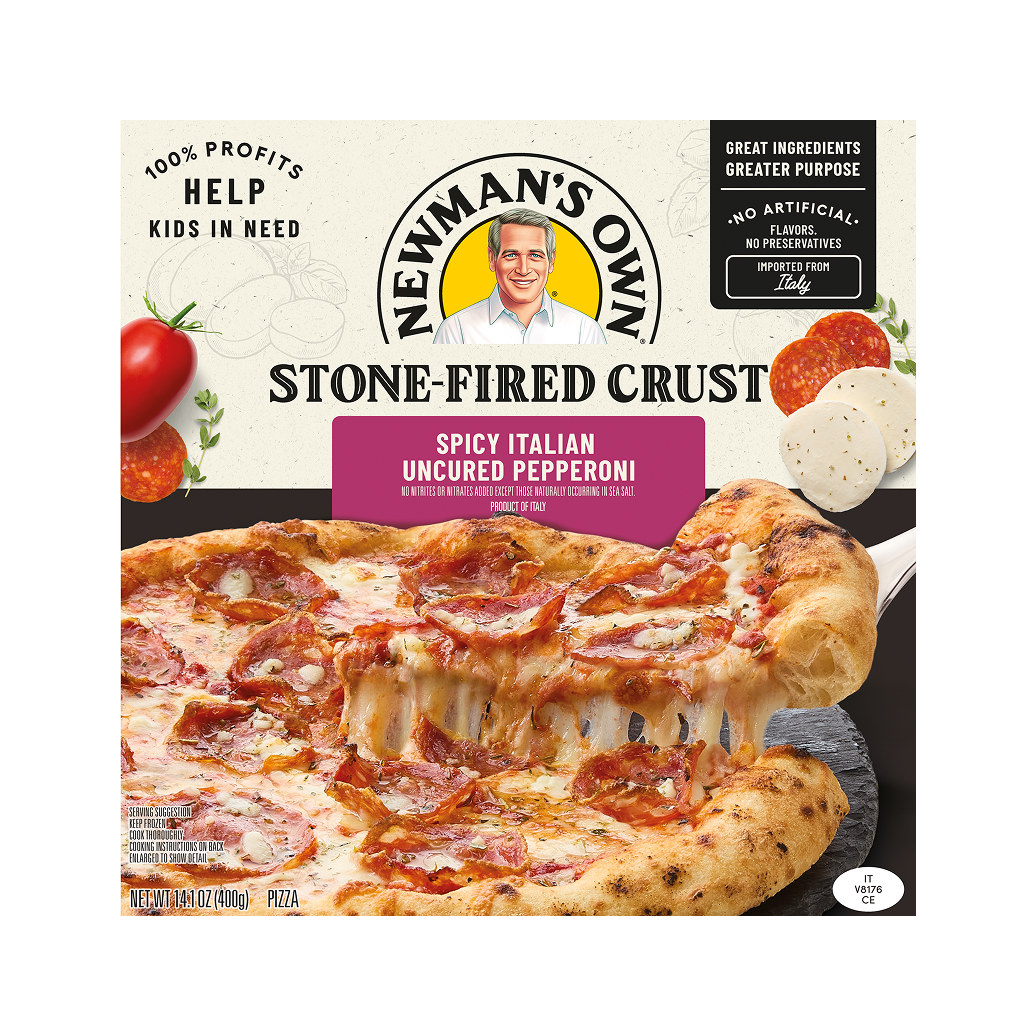


Cauliflower Crust Pizza
Near you
Kirkland Signature is carried at Costco stores. Find one within 25 miles.
Summary
This cauliflower crust pizza is heavily processed, containing multiple additives such as sodium nitrite and xanthan gum, which are common in ultra-processed foods. While it includes some beneficial ingredients like cauliflower and roasted red bell peppers, the presence of refined sugars and controversial preservatives like sodium nitrite significantly impacts its healthiness. The overall ingredient list is long and includes several processed components, which further lowers its score.
At a glance
Key ingredients 13
CauliflowerGood
Cauliflower is a low-calorie vegetable rich in vitamins and fiber. It provides antioxidants and phytonutrients that can protect against cancer. Its high fiber content aids in digestion and promotes a feeling of fullness.
Benefits
Rich in vitamins C and K, and provides a good source of fiber which aids in digestion.
Low moisture mozzarella cheeseGood
Mozzarella cheese is a good source of protein and calcium, essential for bone health. It is lower in moisture, which concentrates its nutrients and flavors. The cheese cultures used in its production can also support gut health.
Risks
May contain lactose, which can be problematic for lactose-intolerant individuals.
Benefits
Provides high-quality protein and calcium, supporting muscle and bone health.
Rice flourNeutral
Rice flour is a gluten-free alternative to wheat flour, often used in baking. It is primarily a source of carbohydrates and lacks significant nutritional benefits. It is suitable for those with gluten intolerance or celiac disease.
Benefits
Provides a gluten-free option for those with gluten sensitivities.
Tapioca starchNeutral
Tapioca starch is a gluten-free thickening agent derived from cassava root. It is primarily used to improve texture and consistency in food products. It offers minimal nutritional value beyond carbohydrates.
Benefits
Useful for thickening and improving texture in gluten-free recipes.
Egg whitesGood
Egg whites are a low-calorie source of high-quality protein. They contain essential amino acids necessary for muscle repair and growth. They are also free from cholesterol and fat, making them a heart-healthy protein choice.
Benefits
Excellent source of high-quality protein with no cholesterol or fat.
Cane sugarBad
Cane sugar is a refined sugar that can contribute to increased blood sugar levels. Excessive consumption is linked to obesity, type 2 diabetes, and heart disease. It provides empty calories with no essential nutrients.
Risks
High intake can lead to weight gain, insulin resistance, and increased risk of chronic diseases.
YeastNeutral
Yeast is used as a leavening agent in baking, helping dough to rise. It can also contribute to the development of flavors in baked goods. Nutritionally, it provides some B vitamins and minerals.
Benefits
Contributes to the leavening and flavor development in baked products.
Xanthan gumNeutral
Xanthan gum is a common food additive used as a thickener and stabilizer. It is produced by fermenting simple sugars with a specific strain of bacteria. While it is generally safe, it offers no nutritional benefits.
Risks
Excessive consumption may cause digestive issues in sensitive individuals.
Benefits
Helps improve texture and stability in food products.
Sodium nitriteVery Bad
Sodium nitrite is a preservative used in processed meats to prevent bacterial growth and maintain color. It can form nitrosamines, which are potential carcinogens, especially when meats are cooked at high temperatures. Its consumption should be limited due to potential health risks.
Risks
Linked to an increased risk of cancer due to the formation of nitrosamines.
Roasted red bell peppersGood
Roasted red bell peppers are rich in vitamins A and C, providing antioxidants that support immune health. Roasting enhances their natural sweetness and flavor. They also contain fiber, which aids in digestion.
Benefits
Rich in antioxidants and vitamins, supporting immune function and overall health.
Natural flavoringsBad
Natural flavorings are often used to enhance taste but can be highly processed and lack transparency. They may contain a variety of chemical compounds not disclosed on labels. Their use is controversial due to potential allergens and lack of nutritional value.
Risks
Potential allergens and lack of transparency in ingredient composition.
Citric acidNeutral
Citric acid is a natural preservative and flavor enhancer found in citrus fruits. It is commonly used to add acidity and preserve freshness in foods. While generally safe, it offers no significant nutritional benefits.
Benefits
Helps preserve freshness and enhance flavor in food products.
Lactic acidNeutral
Lactic acid is used as a preservative and acidity regulator in foods. It is produced by fermentation and can enhance flavor and shelf life. It is generally recognized as safe with no significant nutritional benefits.
Benefits
Enhances flavor and preserves food products.
Processing
Ultra-Processed Foods
Get the full breakdown in the Scout app
Scan any product to see lab results, healthy alternatives, and your personalized analysis.
Download on theApp Store