


At a glance
Summary
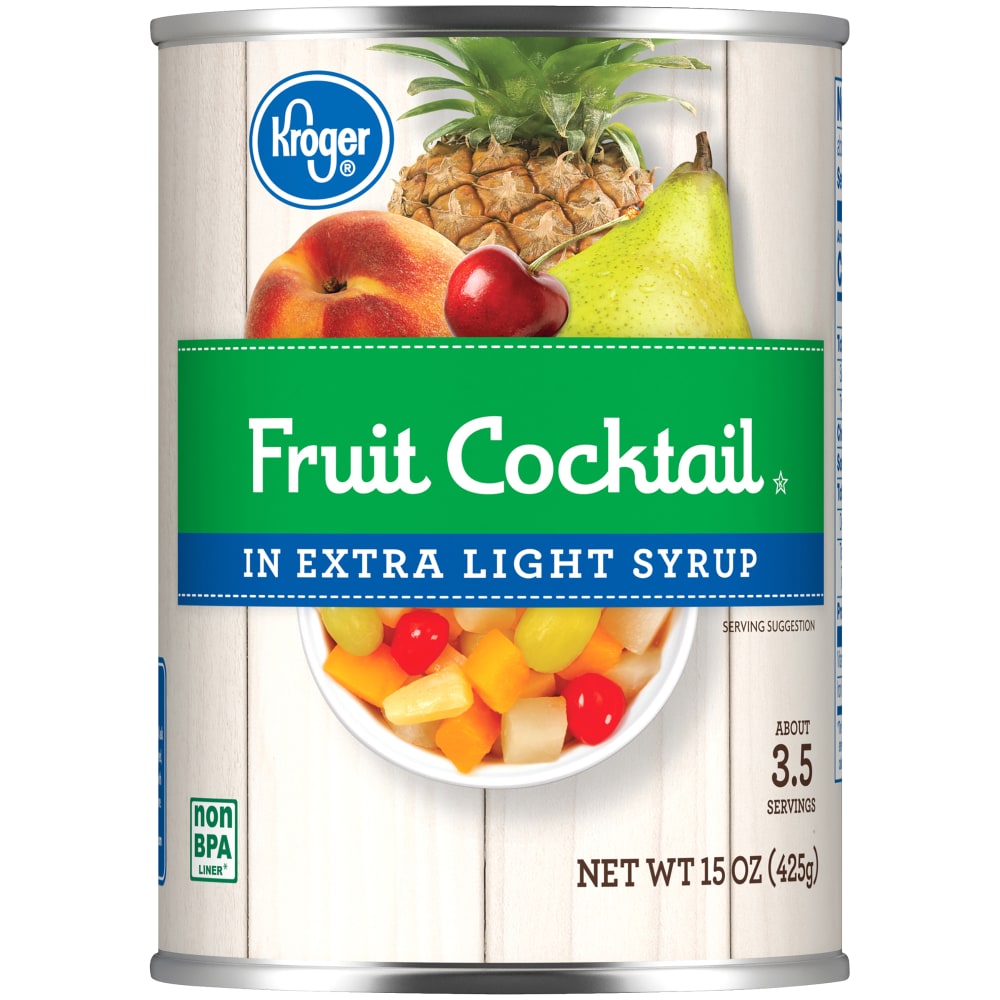
This fruit cocktail contains a mix of beneficial fruits like peaches, pears, grapes, and pineapples, which provide vitamins and antioxidants. However, it is considered ultra-processed due to the presence of artificial coloring (Red 3) and the use of pear juice concentrate, which detracts from its overall healthiness. The processing level and the inclusion of synthetic additives limit its score.
Key ingredients 8
PeachesGood
Peaches are a good source of vitamins A and C, which support immune function and skin health. They are naturally sweet and provide dietary fiber, aiding digestion. The fruit is minimally processed, retaining most of its nutritional value.
Benefits
Rich in vitamins and fiber, supporting overall health and digestion.
PearsGood
Pears are high in fiber and vitamin C, promoting digestive health and immune support. They are naturally low in calories and provide a sweet flavor without added sugars. The fruit is typically consumed fresh or canned, preserving its nutrients.
Benefits
Provides dietary fiber and essential vitamins, contributing to a balanced diet.
GrapesGood
Grapes are rich in antioxidants, particularly resveratrol, which may support heart health. They provide natural sugars and vitamins, offering a quick energy boost. Grapes are often consumed fresh or dried, maintaining their beneficial properties.
Benefits
Contains antioxidants that may promote cardiovascular health and provide energy.
PineapplesGood
Pineapples are a source of vitamin C and bromelain, an enzyme that aids digestion. They offer a sweet taste and are often used in fruit cocktails for their flavor and nutritional benefits. The fruit is typically canned or fresh, preserving its health benefits.
Benefits
Supports immune function and digestion due to its vitamin and enzyme content.
Ascorbic AcidGood
Vitamin C — beneficial even when serving as a preservative.
Benefits
Helps preserve the color and quality of the product, with some antioxidant properties.
Pear Juice ConcentrateNeutral
Pear juice concentrate is used as a natural sweetener, providing flavor without refined sugars. It retains some nutrients from pears but is more processed than whole fruit. The concentrate is often used in beverages and fruit products.
Risks
May contribute to higher sugar intake if consumed in large quantities.
Benefits
Offers a natural source of sweetness with some retained nutrients from pears.
Citric AcidNeutral
Citric acid is a natural preservative and flavor enhancer commonly used in food products. It helps maintain the acidity and freshness of the fruit cocktail. While naturally occurring in citrus fruits, it is often industrially produced for food use.
Risks
Excessive consumption may cause dental erosion or gastrointestinal discomfort.
Benefits
Acts as a preservative and flavor enhancer, maintaining product quality.
Cherry Halves Artificially Colored With Red 3Bad
Artificial coloring with Red 3 is used to enhance the appearance of cherries but has been linked to potential health concerns. Red 3 is a synthetic dye that may pose risks, particularly with long-term consumption. The use of artificial colors is generally discouraged in favor of natural alternatives.
Risks
Potential health risks include allergic reactions and hyperactivity in sensitive individuals.
Processing
Ultra-Processed Foods
Get the full breakdown in the Scout appTake Scout shopping
Scan any product to see lab results, healthy alternatives, and your personalized analysis.
Download on theApp Store GET IT ONGoogle Play