


At a glance
Summary
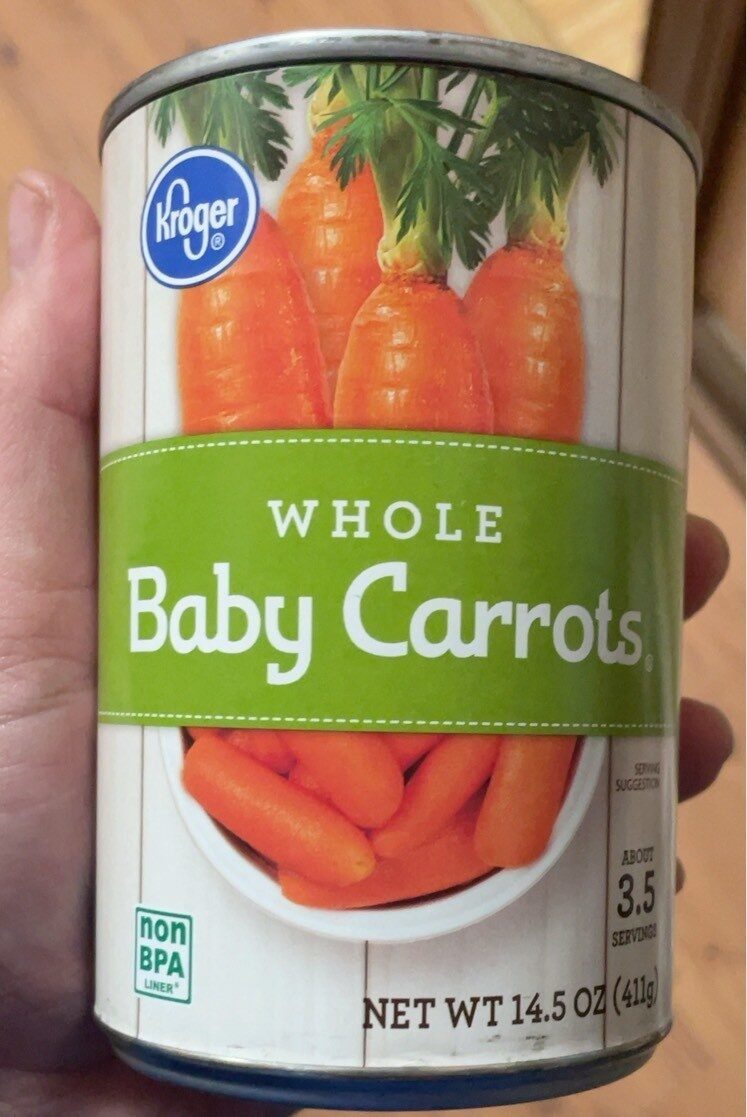
This product consists mainly of whole baby carrots, which are nutrient-rich and provide essential vitamins and minerals. The addition of water, salt, and calcium chloride for preservation results in a moderate level of processing. Despite being processed, the ingredient list is clean and free from harmful additives, allowing it to score well within its category constraints.
Key ingredients 4
CarrotsGood
Carrots are a nutrient-rich vegetable providing essential vitamins and minerals. They are particularly high in beta-carotene, which the body converts to vitamin A, supporting vision and immune function. As a whole food, they offer dietary fiber and antioxidants with minimal processing.
Benefits
Rich in beta-carotene, fiber, and antioxidants, supporting eye health and immune function.
WaterNeutral
Water is used as a medium for cooking and preserving the carrots. It is a neutral ingredient with no direct nutritional impact. Its presence ensures the product remains hydrated and maintains texture.
See more about Water →SaltNeutral
Salt is used for flavor enhancement and preservation. It is a common additive in processed foods to extend shelf life. While necessary for bodily functions, excessive intake can lead to health issues like hypertension.
Risks
Excessive salt intake can contribute to high blood pressure and cardiovascular issues.
Benefits
Provides essential sodium for nerve and muscle function.
Calcium chlorideNeutral
Calcium chloride is used as a firming agent to maintain the texture of the carrots. It is generally recognized as safe and is commonly used in food processing. It provides a source of calcium, although not in significant amounts.
Benefits
Helps maintain firmness and texture of the product.
Processing
Processed Foods
Get the full breakdown in the Scout appTake Scout shopping
Scan any product to see lab results, healthy alternatives, and your personalized analysis.
Download on theApp Store GET IT ONGoogle Play