


At a glance
Summary
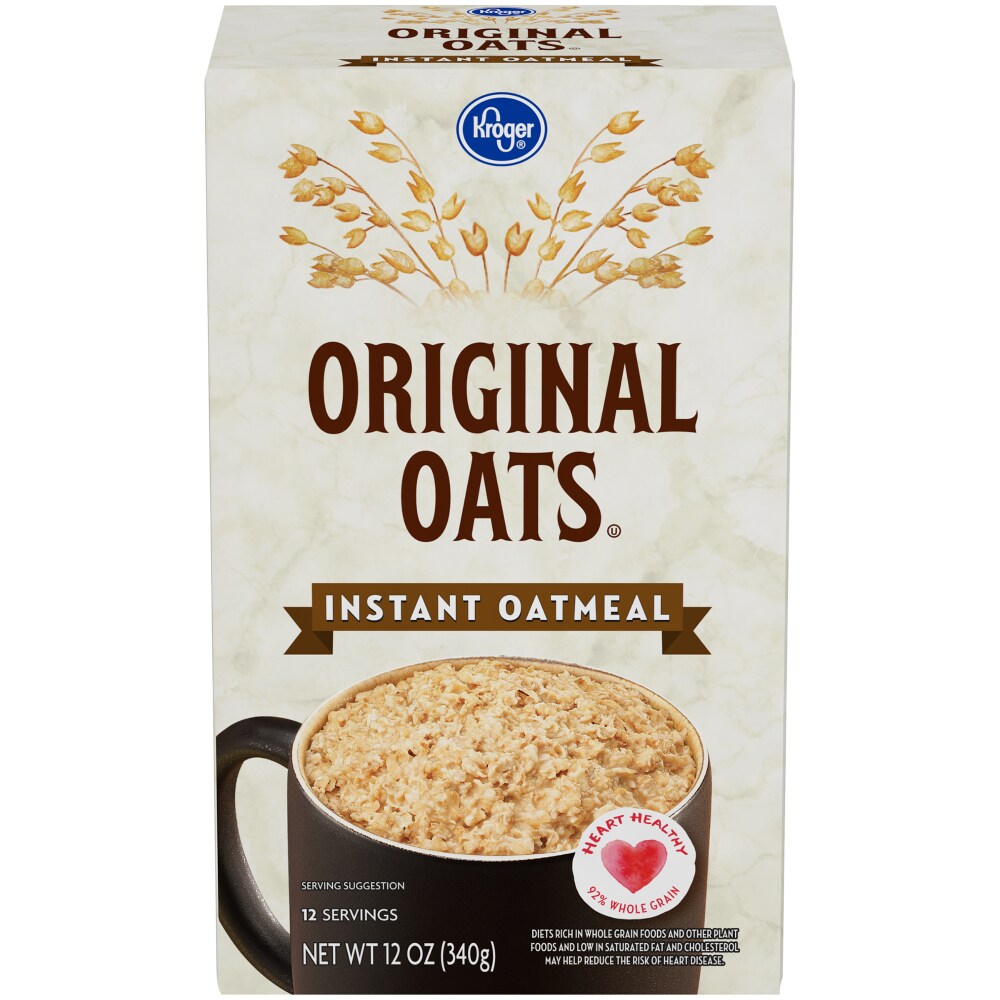
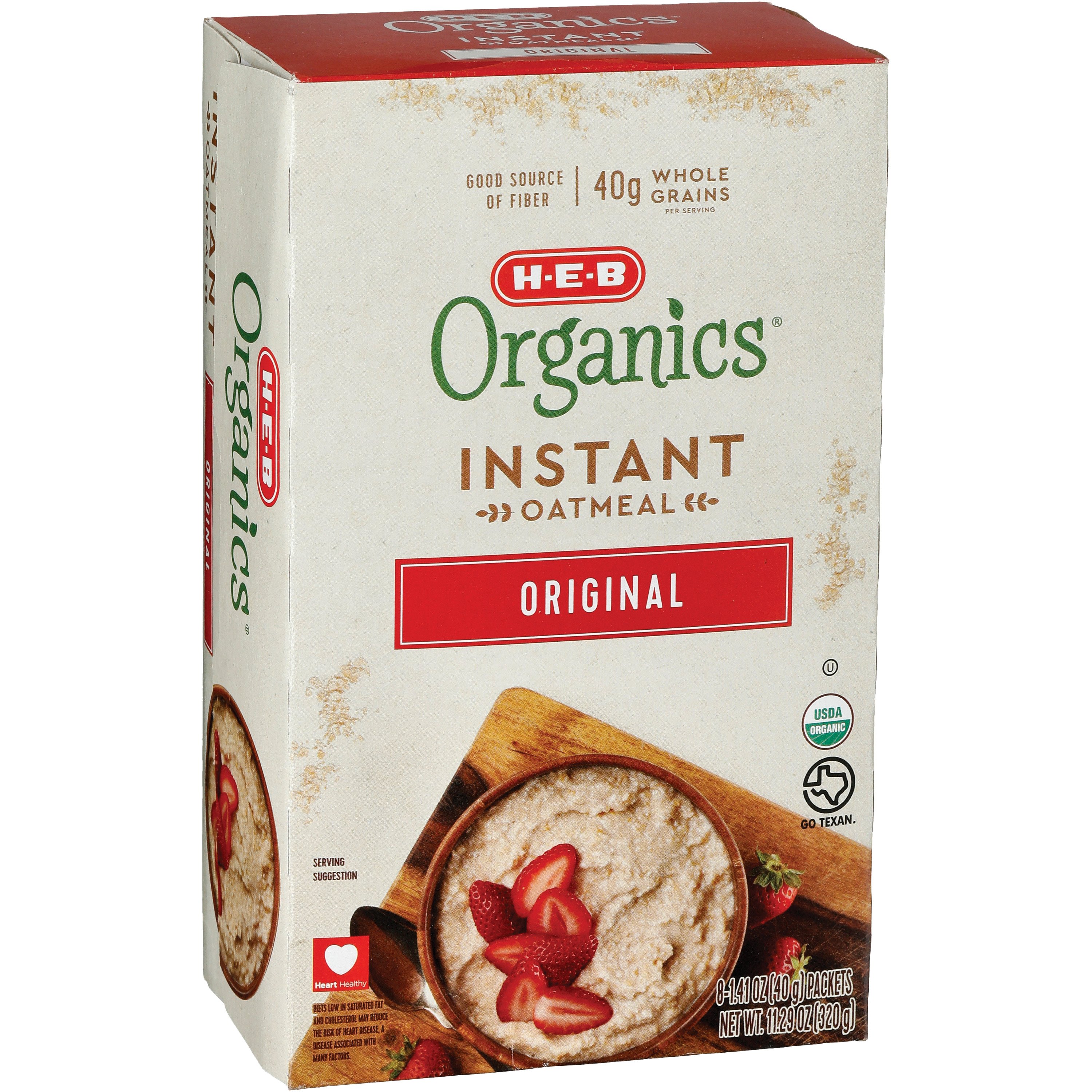
This instant oatmeal product is primarily composed of whole grain oats, which are a nutritious source of fiber and complex carbohydrates. However, it is a processed food with added vitamins and minerals, which slightly reduces its score compared to less processed options. The presence of additives like calcium carbonate and ferric orthophosphate, while not harmful, indicates a moderate level of processing.
Key ingredients 10
Whole Grain OatsVery Good
Whole grain oats are a minimally processed source of complex carbohydrates and fiber. They provide essential nutrients like beta-glucan, which supports heart health and aids in digestion. As a whole food, they are nutrient-dense and beneficial for maintaining stable blood sugar levels.
Benefits
Rich in dietary fiber, particularly beta-glucan, which can help lower cholesterol levels and improve heart health. Provides a good source of energy and essential nutrients.
NiacinamideGood
Vitamin B3 — evidence-backed skin and metabolic benefits.
Risks
High doses may cause liver damage or gastrointestinal issues.
Benefits
Supports energy production and helps maintain healthy skin.
RiboflavinGood
Essential B vitamin — beneficial micronutrient.
Benefits
Supports energy production and helps maintain healthy skin and eyes.
Pyridoxine HydrochlorideGood
Beneficial ingredient — whole-food or functional value in this product class.
Risks
Excessive intake can lead to nerve damage or sensory neuropathy.
Benefits
Essential for protein metabolism and cognitive development.
Calcium CarbonateNeutral
Calcium carbonate is used as a calcium supplement and food additive. It helps fortify foods with calcium, which is essential for bone health. However, it is a processed ingredient and does not provide additional nutritional benefits beyond calcium.
Risks
Excessive intake may lead to hypercalcemia or kidney stones in susceptible individuals.
Benefits
Provides a source of calcium, which is essential for maintaining strong bones and teeth.
SaltNeutral
Salt is used to enhance flavor and as a preservative. It is a common culinary ingredient but does not provide significant nutritional benefits. Excessive consumption can lead to health issues such as hypertension.
Risks
High sodium intake is associated with increased risk of hypertension and cardiovascular diseases.
Benefits
Essential for maintaining fluid balance and nerve function in the body.
Ferric OrthophosphateNeutral
Ferric orthophosphate is used as an iron fortification in foods. It helps prevent iron deficiency anemia but is a processed additive. It does not provide additional benefits beyond iron supplementation.
Risks
Excessive iron intake can lead to toxicity, particularly in individuals with hemochromatosis.
Benefits
Provides a source of iron, which is crucial for oxygen transport in the blood.
Vitamin A PalmitateNeutral
Vitamin A palmitate is a synthetic form of vitamin A used to fortify foods. It supports vision and immune function but is a processed additive. It does not offer additional benefits beyond vitamin A supplementation.
Risks
Excessive intake can lead to hypervitaminosis A, causing toxicity symptoms.
Benefits
Essential for maintaining healthy vision, skin, and immune function.
Thiamine MononitrateNeutral
Thiamine mononitrate is a synthetic form of vitamin B1 used in food fortification. It aids in energy metabolism and nerve function but is a processed additive. It does not offer additional benefits beyond thiamine supplementation.
Benefits
Essential for energy metabolism and proper nerve function.
Folic AcidNeutral
Folic acid is a synthetic form of vitamin B9 used to fortify foods. It is crucial for DNA synthesis and cell division but is a processed additive. It does not provide additional benefits beyond folate supplementation.
Risks
Excessive intake may mask vitamin B12 deficiency symptoms.
Benefits
Essential for DNA synthesis and cell division, particularly important during pregnancy.
Processing
Processed Foods
Get the full breakdown in the Scout appTake Scout shopping
Scan any product to see lab results, healthy alternatives, and your personalized analysis.
Download on theApp Store GET IT ONGoogle Play