
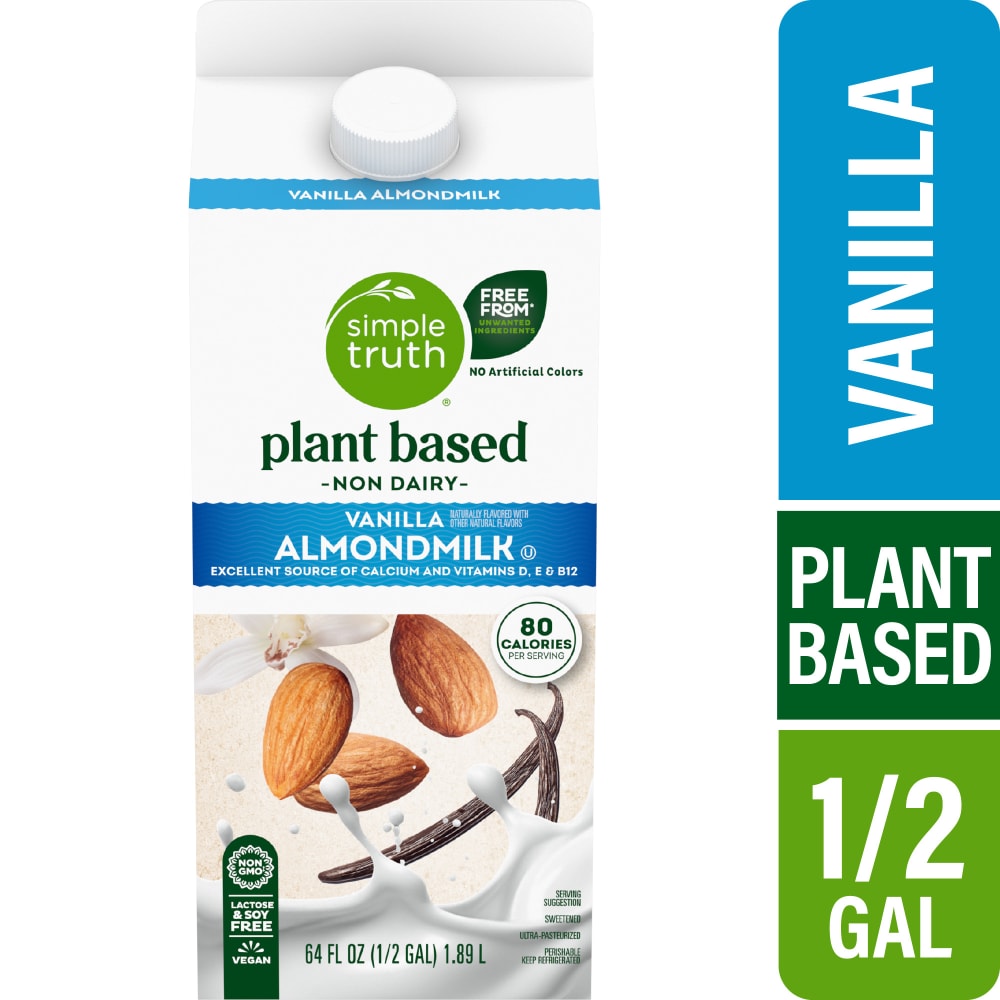

Vanilla Almondmilk
Summary
This vanilla almond milk is ultra-processed, which limits its health rating despite containing beneficial vitamins and minerals. The presence of added sugar and natural flavors, along with gums as thickeners, detracts from its overall quality. While it includes healthy almonds and fortifying nutrients, the processing level and added ingredients prevent a higher score.
At a glance
Key ingredients 13
Filtered WaterNeutral
Filtered water is a neutral ingredient used as a base in many beverages. It provides hydration but does not contribute any significant nutritional value. It is essential for dissolving other ingredients and ensuring a smooth consistency.
See more about Filtered Water →AlmondsGood
Almonds are a good source of healthy fats, protein, and vitamin E. They are minimally processed in almond milk, retaining most of their nutritional benefits. Almonds can contribute to heart health and provide essential nutrients.
Risks
Potential allergen for individuals with nut allergies.
Benefits
Rich in monounsaturated fats that support heart health and provide anti-inflammatory properties.
SugarBad
Sugar is an added sweetener that can contribute to excessive calorie intake and potential weight gain. It is often refined and lacks nutritional benefits. High consumption of added sugars is linked to various health issues, including obesity and diabetes.
Risks
Excessive sugar intake can lead to obesity, insulin resistance, and dental cavities.
Tricalcium PhosphateGood
Tricalcium phosphate is used to fortify foods with calcium, supporting bone health. It is a common additive in plant-based milks to enhance nutritional value. It helps meet daily calcium requirements, especially in non-dairy diets.
Benefits
Provides essential calcium that supports bone health and prevents deficiencies.
Potassium CitrateNeutral
Potassium citrate is used as a buffering agent and to regulate acidity in foods. It is generally recognized as safe and does not significantly impact nutritional value. It helps maintain the stability and taste of the product.
See more about Potassium Citrate →Alpha Tocopherol AcetateGood
Alpha tocopherol acetate is a form of vitamin E, an antioxidant that protects cells from damage. It is added to enhance the nutritional profile of the product. Vitamin E supports immune function and skin health.
Benefits
Acts as an antioxidant, supporting immune function and protecting cells from oxidative stress.
Vitamin A PalmitateGood
Vitamin A palmitate is a form of vitamin A used to fortify foods, supporting vision and immune health. It is added to enhance the nutritional content of plant-based milks. Vitamin A is essential for maintaining healthy vision and skin.
Benefits
Supports vision and immune health, providing essential nutrients.
Vitamin D2Good
Vitamin D2 is added to fortify foods, aiding in calcium absorption and bone health. It is especially important in non-dairy products to ensure adequate vitamin D intake. Vitamin D supports bone health and immune function.
Benefits
Enhances calcium absorption and supports bone health.
Vitamin B12Good
Vitamin B12 is essential for nerve function and the production of red blood cells. It is often added to plant-based milks to prevent deficiencies in vegan diets. Vitamin B12 supports energy metabolism and neurological health.
Benefits
Supports nerve function and energy metabolism, preventing deficiencies.
Sea SaltGood
Unrefined sea salt — a minimally processed, natural source of sodium and essential trace minerals, and a legitimate whole-food seasoning. Treated as a positive ingredient.
Risks
Excessive sodium intake can lead to hypertension and cardiovascular issues.
Natural FlavorsBad
Natural flavors are added to enhance taste but can be a catch-all for various compounds. They are highly processed and lack transparency, making it difficult to assess their health impact. The use of natural flavors can mask the true quality of the product.
Risks
Lack of transparency in ingredient composition may pose unknown health risks.
Guar GumNeutral
Guar gum is a thickening agent used to improve texture and consistency in beverages. It is derived from guar beans and is generally recognized as safe. Guar gum helps stabilize the product and prevent separation.
Risks
Excessive consumption may cause digestive discomfort in sensitive individuals.
Gellan GumNeutral
Gellan gum is used as a gelling agent to stabilize and thicken beverages. It is produced through fermentation and is considered safe for consumption. Gellan gum helps maintain the desired texture and consistency of the product.
See more about Gellan Gum →Processing
Ultra-Processed Foods
Get the full breakdown in the Scout app
Scan any product to see lab results, healthy alternatives, and your personalized analysis.
Download on theApp Store