



At a glance
Summary
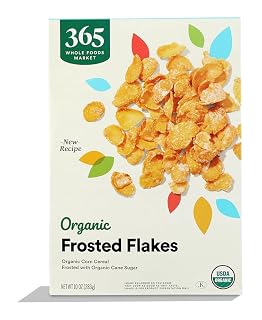
This product contains organic corn and sea salt, which are beneficial ingredients, but it also includes organic cane sugar, contributing to a high sugar content. Despite being organic, the sugar poses health risks similar to conventional sugar. The product is processed, which limits its score due to the level of processing involved.
Key ingredients 3
Organic CornGood
Organic corn is a whole grain that provides essential nutrients and fiber. Being organic, it is free from synthetic pesticides and GMOs, which enhances its health profile. It serves as a primary carbohydrate source, offering energy and some micronutrients.
Benefits
Provides dietary fiber and essential nutrients like B vitamins and minerals. Being organic, it supports sustainable farming practices and reduces exposure to harmful chemicals.
Sea SaltGood
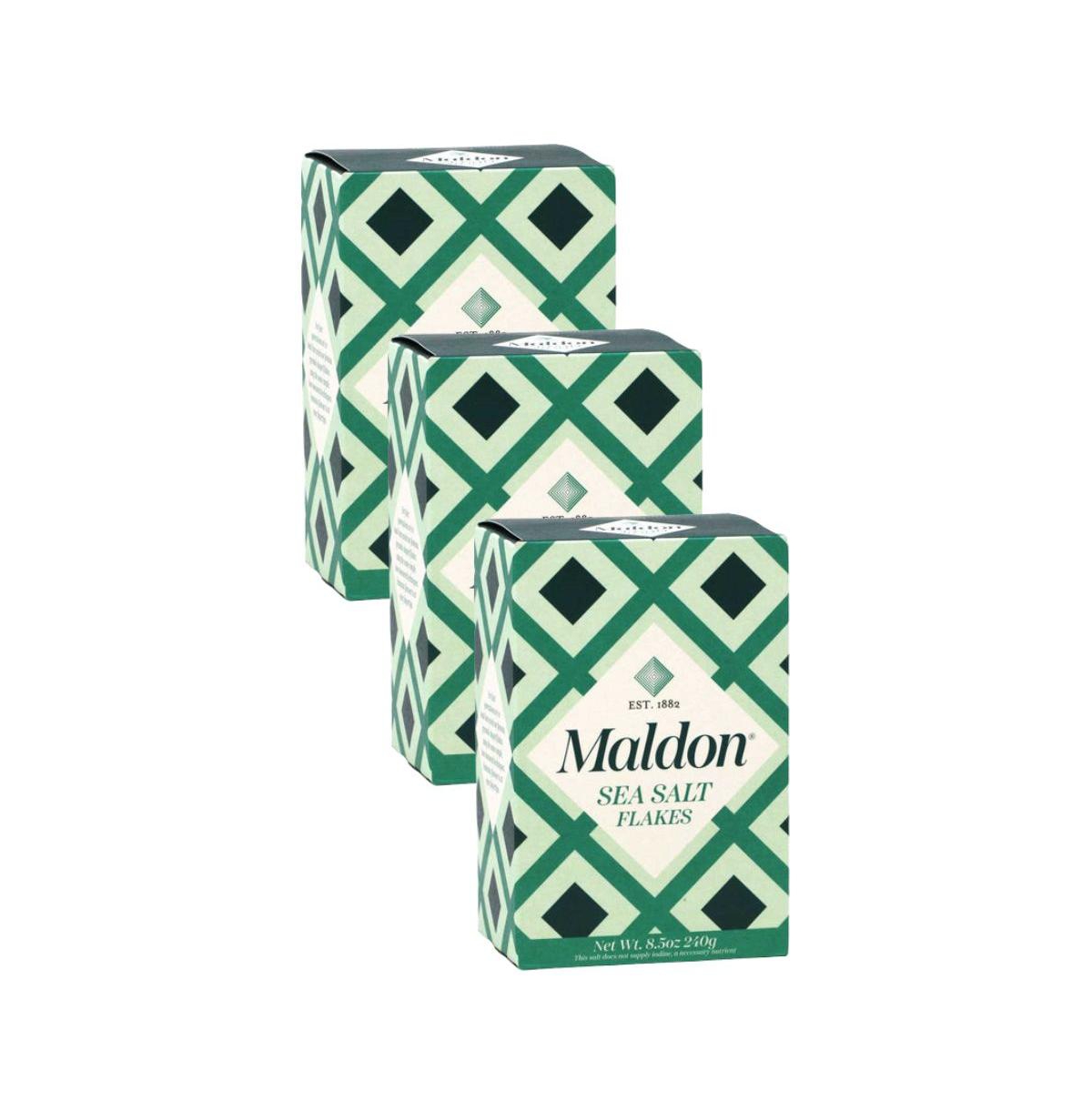
Sea salt is a minimally processed source of sodium and trace minerals. It is considered a healthier alternative to refined table salt due to its mineral content. It enhances flavor and provides essential electrolytes.
Risks
Excessive sodium intake can lead to hypertension and cardiovascular issues.
Benefits
Provides essential electrolytes and trace minerals that support hydration and nerve function.
Organic Cane SugarBad
Organic cane sugar is a refined sugar that contributes to high sugar content in the diet. Despite being organic, it still poses similar health risks as conventional sugar, such as increased risk of obesity and dental issues. It is used primarily for sweetness, lacking significant nutritional benefits.
Risks
High sugar intake is associated with increased risk of obesity, type 2 diabetes, and dental cavities.
Processing
Processed Foods
Get the full breakdown in the Scout appTake Scout shopping
Scan any product to see lab results, healthy alternatives, and your personalized analysis.
Download on theApp Store GET IT ONGoogle Play