
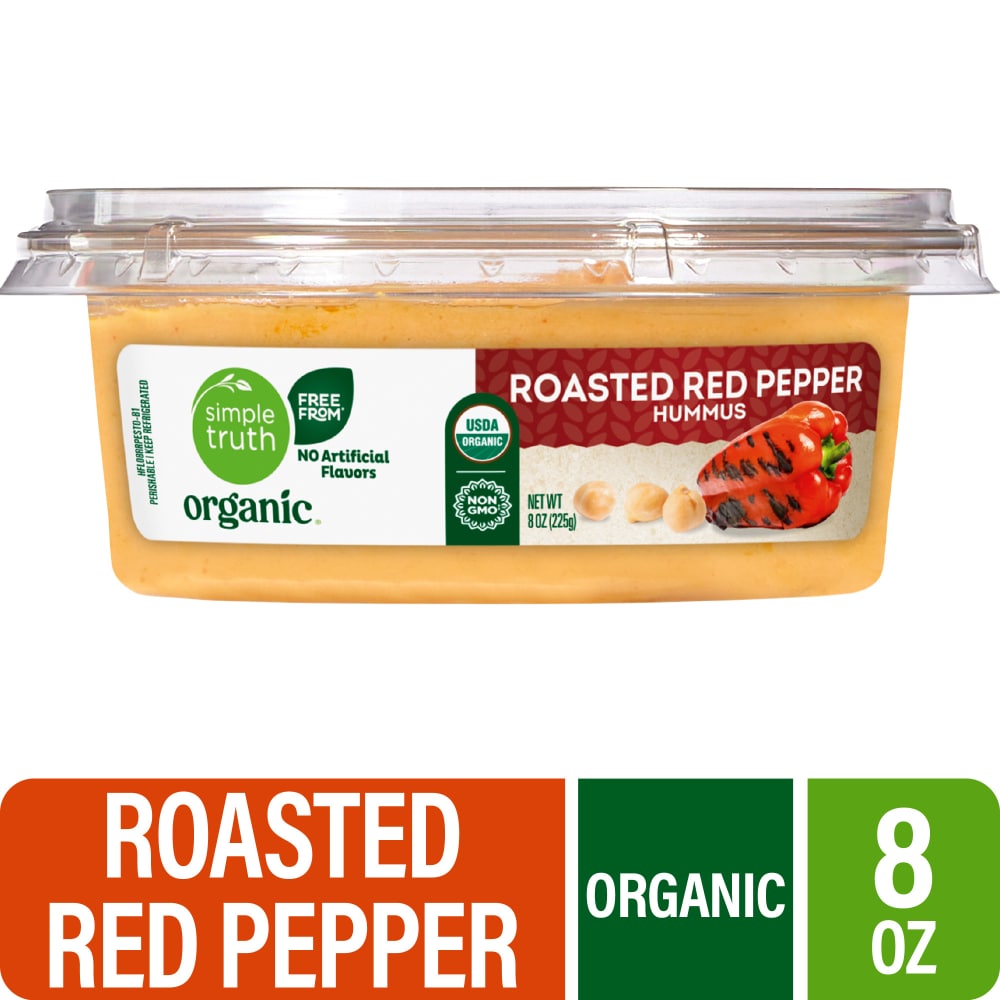
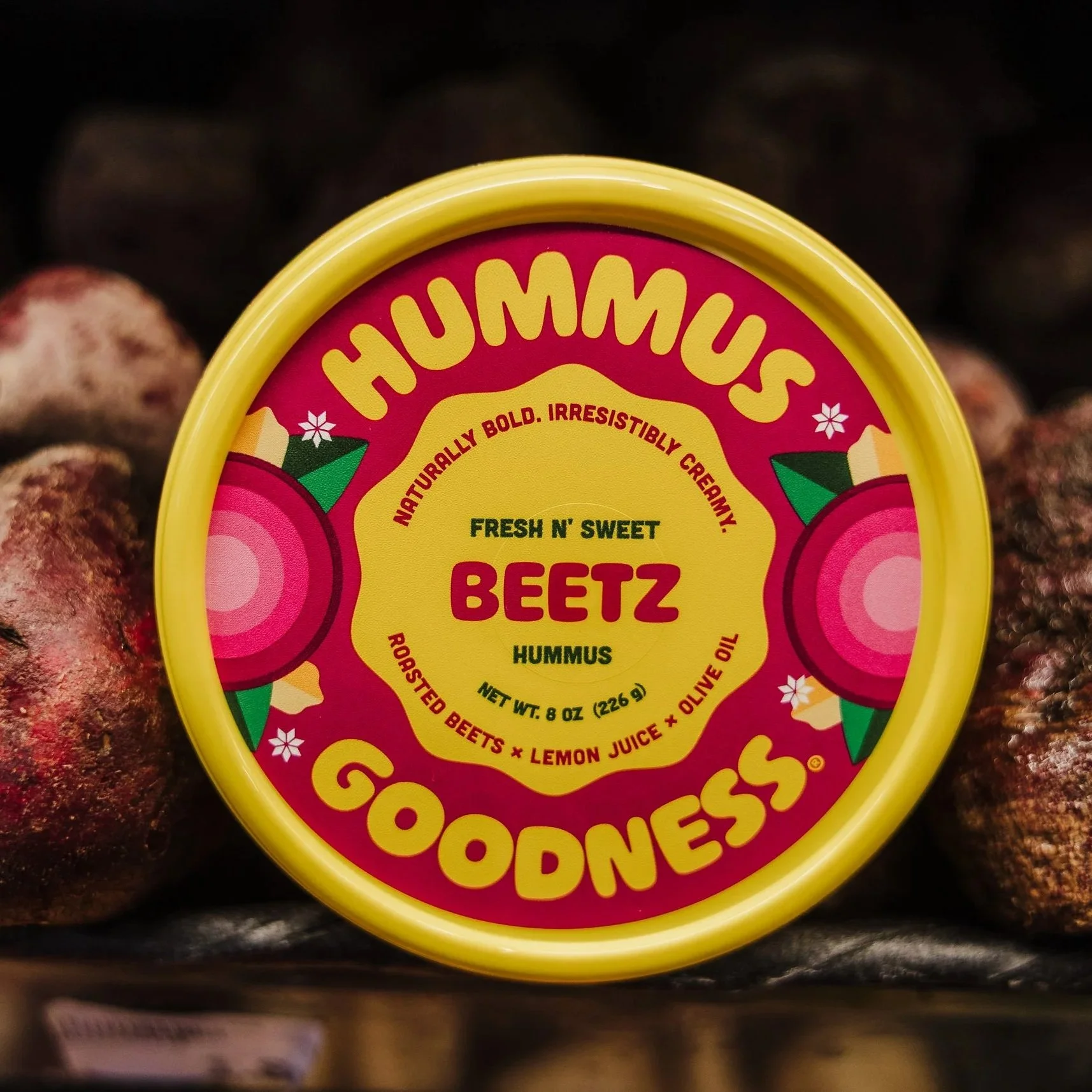


SIMPLE TRUTH ORGANIC, ROASTED RED PEPPER HUMMUS
Analysis updated August 2026 · How Scout scores
At a glance
Summary
This hummus contains mostly organic ingredients, including chickpeas, red bell peppers, and olive oil, which contribute to its nutritional value and minimal processing. However, the presence of organic canola oil, a seed oil that is highly processed and can promote inflammation, detracts from its overall healthiness. The product is moderately processed, which limits its score despite the clean ingredient list.
Key ingredients 12
Organic olive oilVery Good
Olive oil is a high-quality monounsaturated fat with anti-inflammatory properties. Being organic, it is free from synthetic pesticides and chemicals. It supports heart health and contains antioxidants that reduce oxidative stress.
Benefits
Rich in monounsaturated fats and antioxidants, supporting heart health and reducing inflammation.
Organic chickpeasGood
Chickpeas are a good source of plant-based protein and fiber. Being organic, they are free from synthetic pesticides and fertilizers. They support digestive health and provide essential nutrients like iron and folate.
Benefits
Rich in protein and fiber, promoting satiety and digestive health. Contains essential vitamins and minerals beneficial for overall health.
Organic red bell pepperGood
Red bell peppers are rich in vitamins A and C, which are important for immune function and skin health. The organic certification ensures they are grown without harmful pesticides. They add natural sweetness and color to the product.
Benefits
High in antioxidants and vitamins, supporting immune health and reducing inflammation.
Organic sesame tahiniGood
Tahini is made from ground sesame seeds and is a good source of healthy fats and minerals like calcium and magnesium. The organic label ensures it is free from synthetic additives. It adds a creamy texture and nutty flavor to the hummus.
Risks
Potential allergen for individuals with sesame allergies.
Benefits
Rich in healthy fats and minerals, supporting bone health and providing a source of plant-based protein.
Sea saltGood
Sea salt is a natural source of sodium and trace minerals. It is less processed than table salt, retaining more of its natural mineral content. It enhances the flavor of the hummus without the need for excessive additives.
Risks
Excessive sodium intake can lead to high blood pressure and cardiovascular issues.
Benefits
Provides essential minerals and enhances flavor naturally.
Organic garlicGood
Garlic is known for its potential health benefits, including antimicrobial and anti-inflammatory properties. The organic certification ensures it is grown without harmful chemicals. It adds flavor and potential health benefits to the hummus.
Risks
May cause digestive discomfort in some individuals when consumed in large amounts.
Benefits
Contains compounds that may support immune function and reduce inflammation.
Organic paprikaGood
Paprika is a spice rich in antioxidants and vitamins, particularly vitamin A. The organic label ensures it is free from synthetic pesticides. It adds color and flavor to the hummus.
Benefits
Provides antioxidants and vitamins, enhancing flavor and nutritional value.
Organic vinegarGood
Beneficial ingredient — whole-food or functional value in this product class.
Benefits
Enhances flavor and acts as a natural preservative.
Organic crushed red pepperGood
Crushed red pepper adds heat and flavor to the hummus. The organic certification ensures it is free from synthetic pesticides. It contains capsaicin, which may have metabolism-boosting properties.
Risks
May cause digestive discomfort in sensitive individuals.
Benefits
Adds flavor and may boost metabolism due to capsaicin content.
Citric acidNeutral
Citric acid is a natural preservative and flavor enhancer. It is commonly used to maintain freshness and add a tangy flavor. It is generally recognized as safe when used in food products.
Benefits
Helps preserve the product and enhance flavor without significant nutritional benefits.
Organic sugarBad
Processed additive flagged under Scout's ingredient doctrine.
Risks
Excessive sugar consumption can lead to health issues like obesity and diabetes.
Benefits
Adds sweetness to the product, but offers no significant nutritional benefits.
Organic canola oilVery Bad
Canola oil is a seed oil high in omega-6 fatty acids, which can promote inflammation when consumed in excess. Despite being organic, it is still highly processed and refined. It lacks the beneficial properties found in healthier oils like olive oil.
Risks
High omega-6 content may promote inflammation when consumed in excess.
Processing
Processed Foods
Get the full breakdown in the Scout appTake Scout shopping
Scan any product to see lab results, healthy alternatives, and your personalized analysis.
Download on theApp Store GET IT ONGoogle Play