

At a glance
Summary
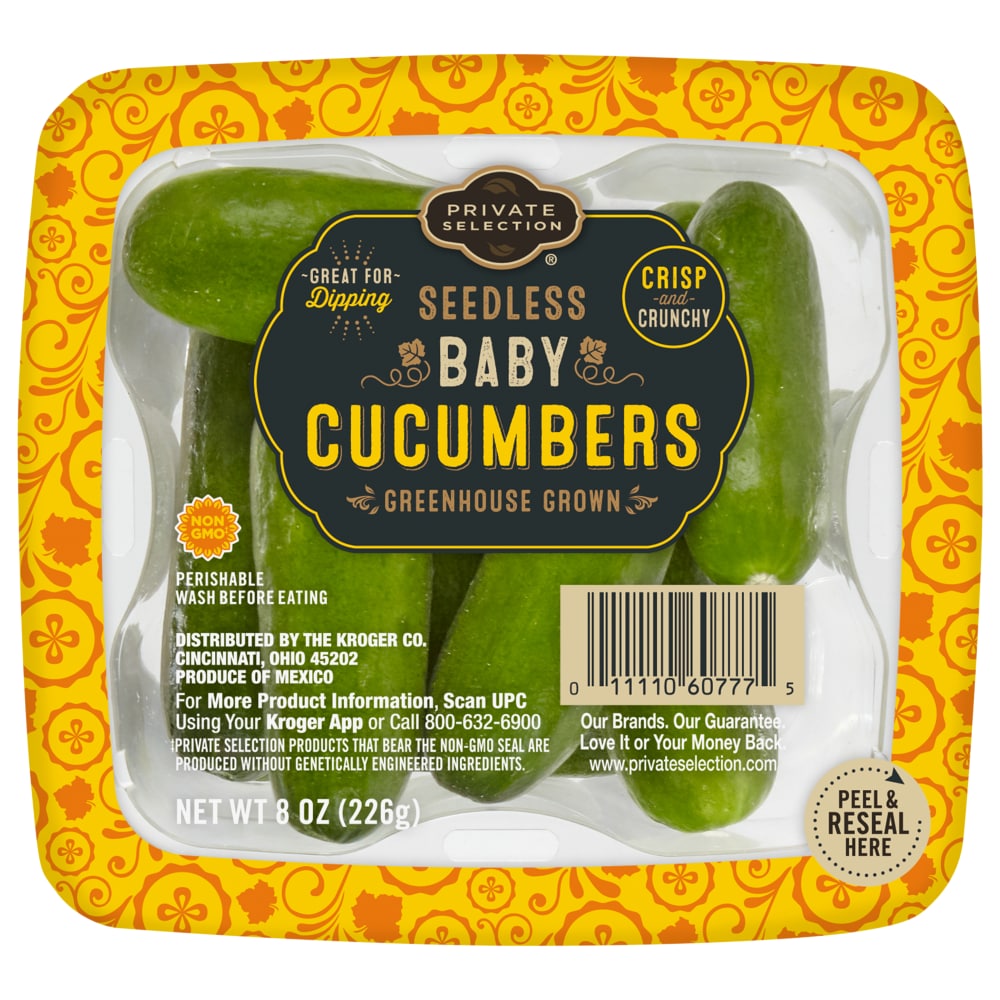
This product contains baby cucumbers, which are a nutritious vegetable, but it is processed with added sugar and unspecified 'flavours'. The presence of refined sugar and vague flavor additives detracts from its healthfulness, as these ingredients can contribute to metabolic issues and lack transparency. Despite being processed, the inclusion of natural spices like dill and mustard seeds provides some redeeming qualities.
Key ingredients 10
Baby CucumbersGood
Baby cucumbers are a low-calorie vegetable rich in vitamins and minerals. They are minimally processed and provide hydration and fiber. Their natural state retains most of their nutritional benefits.
Benefits
Rich in water content and fiber, promoting hydration and digestive health. Contains vitamins and antioxidants beneficial for overall health.
WaterNeutral
Water is a neutral ingredient used as a solvent and to maintain moisture. It is essential for hydration but does not provide additional nutritional value in this context. Its presence is standard in many food products.
Benefits
Essential for hydration and maintaining the texture of the product.
VinegarNeutral
Vinegar is used as a preservative and flavor enhancer. It is a natural product with minimal processing. While it can aid in preservation, it does not offer significant nutritional benefits.
Risks
Excessive consumption may lead to digestive discomfort.
Benefits
Can act as a preservative and flavor enhancer in foods.
SaltNeutral
Salt is used to enhance flavor and preserve food. It is a common culinary ingredient but should be consumed in moderation. Excessive intake can lead to health issues like hypertension.
Risks
High sodium intake can contribute to hypertension and cardiovascular issues.
Benefits
Enhances flavor and acts as a preservative.
Food Acid (260)Neutral
Food acid 260, also known as acetic acid, is used to preserve and flavor foods. It is a natural component of vinegar. It is generally recognized as safe when used in food products.
Benefits
Acts as a preservative and flavor enhancer.
Dill SeedsNeutral
Dill seeds are used for flavoring and have minimal processing. They add a distinct taste to foods but do not provide significant nutritional benefits. They are a natural ingredient with traditional culinary uses.
Benefits
Adds flavor and aroma to foods.
Mustard SeedsNeutral
Mustard seeds are used for flavoring and have minimal processing. They are a natural ingredient with culinary uses but offer limited nutritional benefits in small quantities. They contribute to the overall flavor profile of the product.
Benefits
Adds flavor and may provide trace nutrients.
Mineral Salt (509)Neutral
Mineral salt 509, also known as calcium chloride, is used to maintain firmness in pickled products. It is a common food additive with minimal health concerns. It does not provide significant nutritional benefits.
Benefits
Helps maintain texture and firmness in pickled products.
SugarBad
Refined sugar is associated with increased calorie intake and potential health issues like obesity and diabetes. It is often added to enhance flavor but lacks nutritional benefits. Excessive consumption can lead to metabolic disorders.
Risks
High intake of refined sugar can contribute to obesity, diabetes, and other metabolic disorders.
Benefits
Provides quick energy but lacks essential nutrients.
FlavoursBad
The term 'flavours' is vague and can include a variety of artificial or natural additives. Lack of specificity raises concerns about potential artificial ingredients. It is often used to enhance taste without providing nutritional benefits.
Risks
Potential presence of artificial additives may cause allergic reactions or sensitivities in some individuals.
Benefits
Enhances the taste of the product but does not provide nutritional benefits.
Processing
Processed Foods
Get the full breakdown in the Scout appTake Scout shopping
Scan any product to see lab results, healthy alternatives, and your personalized analysis.
Download on theApp Store GET IT ONGoogle Play