

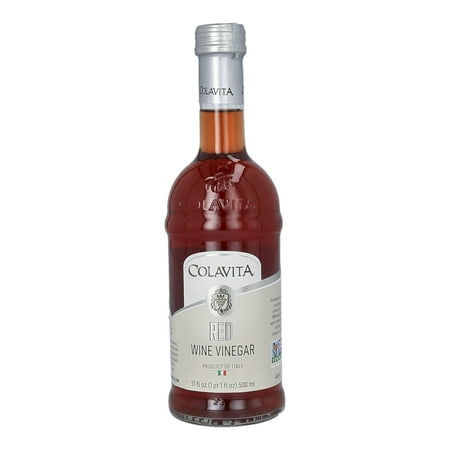
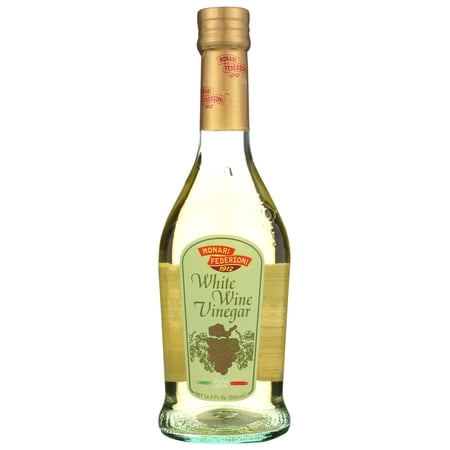
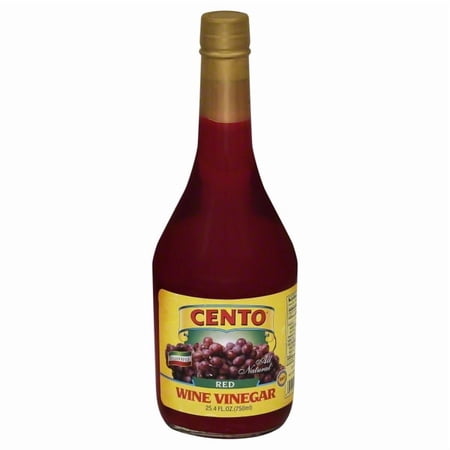

Heinz Red Wine Vinegar
Analysis updated August 2026 · How Scout scores
At a glance
Summary
This red wine vinegar is a processed culinary ingredient with minimal processing, primarily consisting of vinegar diluted with water. The presence of sulfites as a preservative is a concern for individuals with sensitivities, but it is otherwise a straightforward product with no artificial additives or seed oils. The processing level and the use of sulfites slightly reduce its overall score.
Key ingredients 2
Red wine vinegarNeutral
Red wine vinegar is a fermented product that provides acidity and flavor to foods. It is made by fermenting red wine, which can retain some beneficial compounds from the grapes. However, the dilution with water reduces its concentration of acetic acid and potential health benefits.
Benefits
May contain antioxidants from the red wine used in its production, which can offer some health benefits.
SulfitesBad
Sulfites are preservatives used to maintain color and freshness in foods. They can cause allergic reactions in sensitive individuals, particularly those with asthma. The presence of sulfites in food is a concern for those with sulfite sensitivity.
Risks
Can cause allergic reactions and respiratory issues in sensitive individuals, especially those with asthma.
Processing
Processed Culinary Ingredients
Get the full breakdown in the Scout appTake Scout shopping
Scan any product to see lab results, healthy alternatives, and your personalized analysis.
Download on theApp Store GET IT ONGoogle PlayAmazon pricing & content
Amazon price as of . Product prices and availability are accurate as of the date/time indicated and are subject to change. Any price and availability information displayed on Amazon.com at the time of purchase will apply to the purchase of this product.
CERTAIN CONTENT THAT APPEARS ON THIS SITE COMES FROM AMAZON. THIS CONTENT IS PROVIDED “AS IS” AND IS SUBJECT TO CHANGE OR REMOVAL AT ANY TIME.