
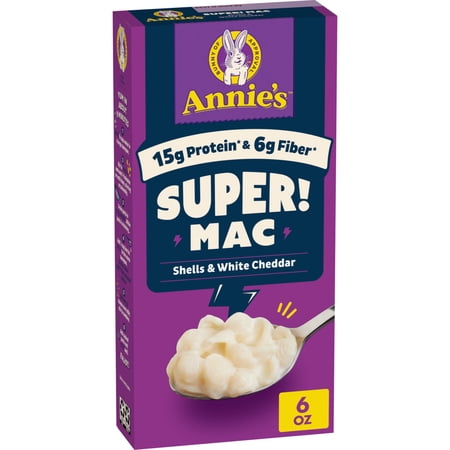


Annie s Super! Mac Macaroni And Cheese Shells and White Cheddar 6 oz
Summary
This macaroni and cheese product contains beneficial ingredients like organic wheat flour and dried cheddar cheese, which provide essential nutrients and flavor. However, it is a processed food with a high sodium content, which can contribute to health issues if consumed in excess. The processing level and presence of sodium limit its overall healthiness despite the use of some organic ingredients.
At a glance
Key ingredients 10
Organic Wheat FlourGood
Organic wheat flour is a staple carbohydrate source that provides energy. Being organic, it is free from synthetic pesticides and fertilizers, which is beneficial for health. It also contains some fiber and essential nutrients, although less than whole grain options.
Risks
May cause gluten-related issues for individuals with celiac disease or gluten sensitivity.
Benefits
Provides carbohydrates for energy and some essential nutrients. Organic certification ensures reduced exposure to harmful chemicals.
Organic Pea ProteinNeutral
Organic pea protein is a plant-based protein source that is less processed than soy protein isolates. It is a good alternative for those avoiding animal proteins and provides a decent amino acid profile. However, it may not be as complete as animal-based proteins.
Benefits
Offers a plant-based protein option with a moderate amino acid profile. Organic certification ensures reduced exposure to harmful chemicals.
Dried Cheddar CheeseGood
Dried cheddar cheese provides flavor and a source of calcium and protein. It is made from cultured pasteurized milk, which retains some beneficial nutrients. The drying process concentrates the cheese, enhancing its flavor and shelf life.
Risks
Contains lactose, which may cause issues for lactose-intolerant individuals.
Benefits
Rich in calcium and protein, supporting bone health and muscle maintenance.
Cultured Pasteurized MilkGood
Cultured pasteurized milk is used to make cheese and provides beneficial bacteria for gut health. Pasteurization ensures the elimination of harmful pathogens while retaining nutritional value. It is a source of calcium and protein.
Risks
May cause issues for lactose-intolerant individuals.
Benefits
Supports gut health with beneficial bacteria and provides essential nutrients like calcium and protein.
SaltNeutral
Salt is used as a seasoning and preservative in foods. It enhances flavor but should be consumed in moderation to avoid health issues. Excessive intake can lead to hypertension and cardiovascular problems.
Risks
High sodium intake is linked to increased blood pressure and cardiovascular disease risk.
Benefits
Enhances flavor and acts as a preservative in food products.
Non-Animal EnzymesNeutral
Non-animal enzymes are used in cheese production to aid in coagulation. They are suitable for vegetarians and help in the cheese-making process without animal-derived rennet. These enzymes are generally considered safe and effective.
Benefits
Facilitates cheese production and is suitable for vegetarians.
WheyGood
Whey is a high-quality protein source derived from milk, rich in essential amino acids. It supports muscle growth and repair and is easily digestible. Whey is often used in protein supplements due to its nutritional profile.
Risks
May cause issues for individuals with lactose intolerance.
Benefits
Excellent source of protein that supports muscle health and recovery.
ButterNeutral
Butter is a dairy product used for flavor and texture in foods. It contains saturated fats, which should be consumed in moderation. Butter provides fat-soluble vitamins like A and D.
Risks
High in saturated fats, which can contribute to heart disease if consumed in excess.
Benefits
Provides flavor and contains fat-soluble vitamins.
Nonfat MilkNeutral
Nonfat milk is used to reduce the fat content while retaining protein and calcium. It is a good option for those looking to reduce calorie intake from fat. However, it lacks the fat-soluble vitamins present in whole milk.
Risks
May cause issues for lactose-intolerant individuals.
Benefits
Provides protein and calcium with reduced fat content.
SodiumBad
Sodium is an essential mineral but is often consumed in excess in processed foods. High sodium intake is associated with increased risk of hypertension and cardiovascular diseases. It is important to monitor sodium intake to maintain heart health.
Risks
Excessive sodium intake can lead to high blood pressure and increased risk of heart disease.
Benefits
Essential for maintaining fluid balance and nerve function, but should be consumed in moderation.
Processing
Processed Foods
Get the full breakdown in the Scout app
Scan any product to see lab results, healthy alternatives, and your personalized analysis.
Download on theApp Store