




At a glance
Summary
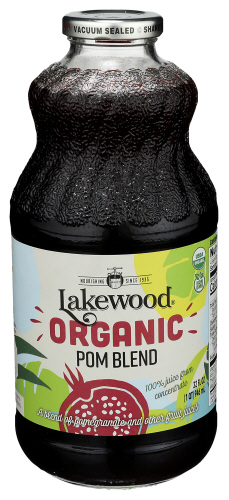
This juice contains a blend of fruit juices from concentrate, which provides natural sugars and some vitamins, but the concentration process can reduce nutrient levels. The presence of natural flavors, which lack transparency, raises concerns about potential undisclosed additives. Despite these issues, the juice includes beneficial ingredients like ascorbic acid and beta carotene, which enhance its nutritional profile.
Key ingredients 8
Apple Juice From ConcentrateGood
Apple juice from concentrate provides natural sugars and some vitamins, contributing to the juice's flavor and nutritional profile. The concentration process may reduce some nutrients, but it retains a good amount of vitamin C and antioxidants. It is a common ingredient in fruit juices for its sweetness and health benefits.
Risks
Excessive consumption may lead to high sugar intake.
Benefits
Contains natural sugars and antioxidants that can support overall health.
Passion Fruit Juice From ConcentrateGood
Passion fruit juice from concentrate adds a unique flavor and provides vitamins such as vitamin C and A. The concentration process may slightly reduce nutrient levels, but it still offers beneficial antioxidants. It enhances the juice's nutritional value and taste.
Risks
Excessive consumption may lead to high sugar intake.
Benefits
Rich in antioxidants and vitamins that support immune health.
Ascorbic AcidGood
Ascorbic acid, also known as vitamin C, is an essential nutrient that supports immune function and skin health. It is often added to juices to enhance vitamin content and act as a preservative. It is a beneficial addition to the juice for its antioxidant properties.
Benefits
Essential for immune function and acts as an antioxidant.
Beta CaroteneGood
Beta carotene is a natural pigment and antioxidant that provides color and health benefits. It is a precursor to vitamin A, which is essential for vision and immune function. Its addition to the juice enhances both its visual appeal and nutritional value.
Benefits
Acts as an antioxidant and supports vision and immune health.
WaterNeutral
Water is a neutral ingredient that serves as a base for the juice. It is essential for hydration but does not provide additional nutritional benefits. The quality of water can vary, but it generally poses no health risks.
See more about Water →Clarified Pineapple Juice From ConcentrateNeutral
Clarified pineapple juice from concentrate provides natural sweetness and some vitamins. The clarification process removes pulp and fiber, reducing some nutritional benefits. It is commonly used for its sweet flavor and aroma.
Risks
Excessive consumption may lead to high sugar intake.
Benefits
Provides natural sugars and a pleasant flavor.
Citric AcidNeutral
Citric acid is used as a natural preservative and to add a tart flavor to the juice. It is generally recognized as safe and is commonly found in citrus fruits. It helps maintain the product's freshness and flavor.
Benefits
Helps preserve the juice and enhance its flavor.
Natural FlavorsBad
Natural flavors are added to enhance the taste of the juice but lack transparency about their specific composition. They can be derived from various sources and may include additives not disclosed on the label. This lack of transparency can be concerning for consumers seeking to avoid certain additives.
Risks
Potential for undisclosed additives and allergens.
Benefits
Enhances the flavor profile of the juice.
Processing
Processed Foods
Get the full breakdown in the Scout appTake Scout shopping
Scan any product to see lab results, healthy alternatives, and your personalized analysis.
Download on theApp Store GET IT ONGoogle Play