

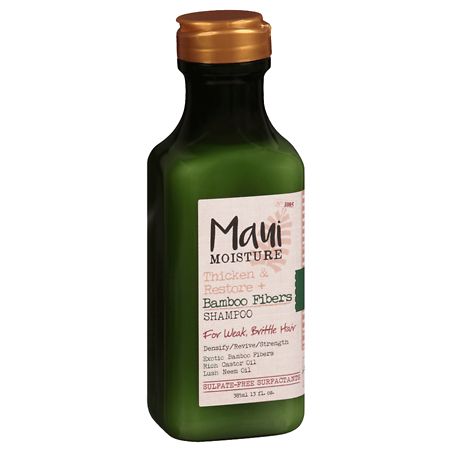

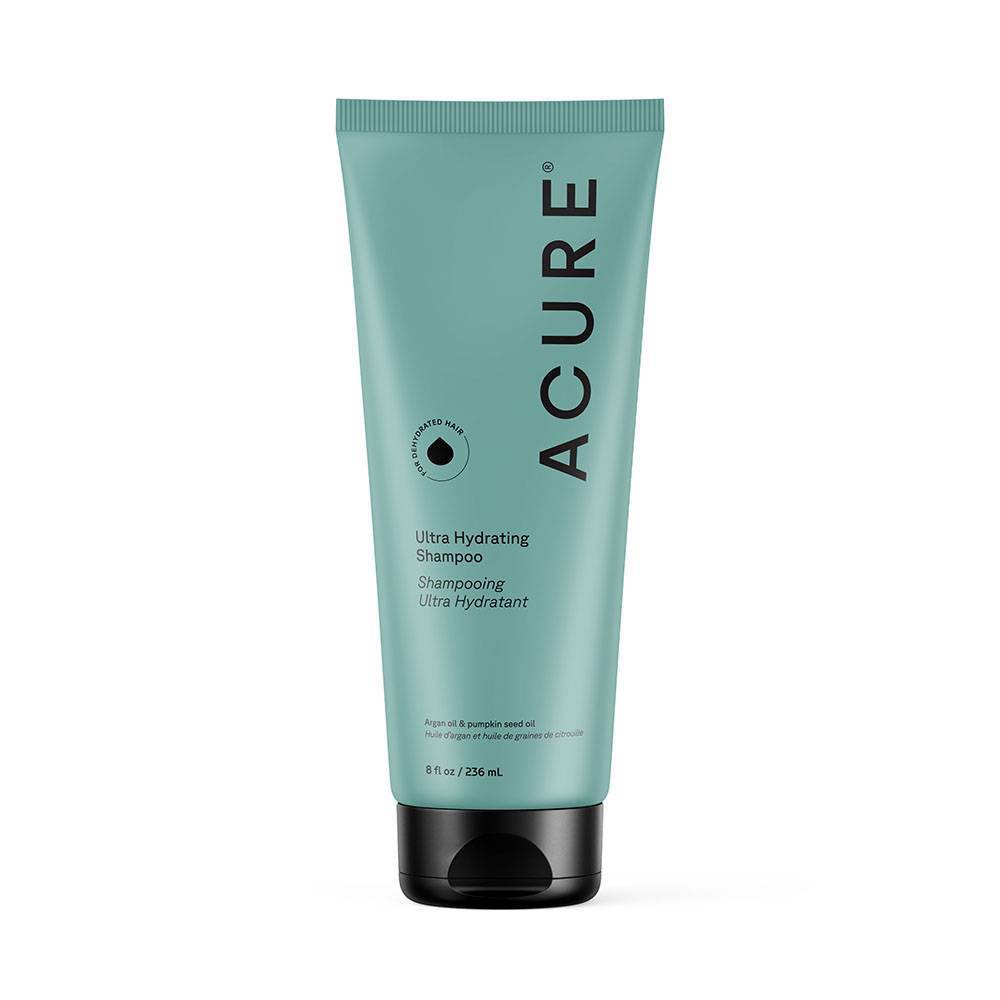
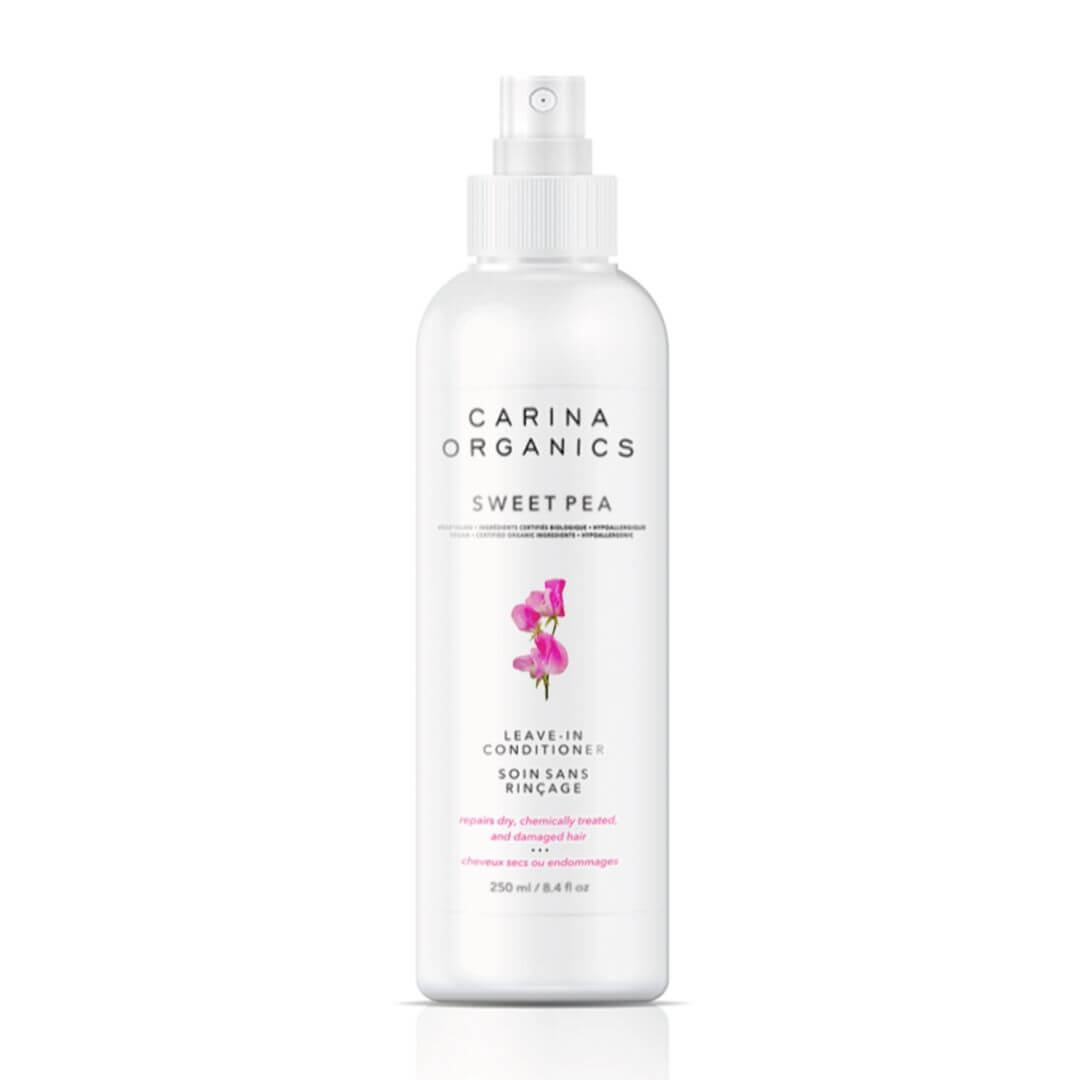
At a glance
Summary
This product contains beneficial ingredients like glycerin, panthenol, and hydrolyzed silk, which provide moisturizing and conditioning benefits. However, the presence of non-water-soluble silicone (amodimethicone) can lead to buildup on the hair, and synthetic fragrance may cause irritation. Additionally, phenoxyethanol, a preservative, is associated with potential skin irritation, impacting the overall ingredient safety.
Key ingredients 21
GlycerinGood
Glycerin is a humectant that attracts moisture to the hair, helping to keep it hydrated. It is widely used in hair care products for its moisturizing properties. It is considered safe and beneficial for most hair types.
Risks
Excessive use can lead to a sticky feeling on hair.
Benefits
Helps to maintain moisture balance in hair, improving softness and manageability.
PanthenolGood
Panthenol is a form of vitamin B5 that is used for its moisturizing and conditioning properties. It penetrates the hair shaft to improve moisture retention and elasticity. It is considered safe and beneficial for most hair types.
Risks
Rarely, it may cause mild irritation in sensitive individuals.
Benefits
Improves hair strength, moisture retention, and adds shine.
Hydrolyzed SilkGood
Hydrolyzed Silk is used for its conditioning and strengthening properties. It penetrates the hair shaft to improve elasticity and moisture retention. It is considered safe and beneficial for most hair types.
Risks
Rarely, it may cause mild irritation in sensitive individuals.
Benefits
Improves hair strength, moisture retention, and adds shine.
Rosmarinus Officinalis (Rosemary) Leaf ExtractGood
Rosemary Leaf Extract is used for its antioxidant and antimicrobial properties. It helps to soothe the scalp and promote healthy hair growth. It is considered safe and beneficial for most hair types.
Risks
Rarely, it may cause irritation in sensitive individuals.
Benefits
Promotes scalp health and supports hair growth.
Equisetum Arvense ExtractGood
Equisetum Arvense Extract, also known as horsetail extract, is used for its strengthening and conditioning properties. It contains silica, which helps to improve hair texture and strength. It is considered safe and beneficial for most hair types.
Risks
Rarely, it may cause irritation in sensitive individuals.
Benefits
Strengthens hair and improves texture.
Urtica Dioica (Nettle) ExtractGood
Nettle Extract is used for its anti-inflammatory and conditioning properties. It helps to soothe the scalp and promote healthy hair growth. It is considered safe and beneficial for most hair types.
Risks
Rarely, it may cause irritation in sensitive individuals.
Benefits
Promotes scalp health and supports hair growth.
Aesculus Hippocastanum (Horse Chestnut) Seed ExtractGood
Horse Chestnut Seed Extract is used for its anti-inflammatory and conditioning properties. It helps to soothe the scalp and improve hair texture. It is considered safe and beneficial for most hair types.
Risks
Rarely, it may cause irritation in sensitive individuals.
Benefits
Soothes the scalp and improves hair texture.
Aqua/Water/EauNeutral
Water is a universal solvent and is used as a base in many cosmetic formulations. It helps to dissolve other ingredients and provides a medium for them to be applied. It is generally considered safe and non-reactive.
Risks
There are no significant risks associated with water in cosmetic formulations.
Benefits
Water helps to hydrate and distribute other ingredients evenly across the hair.
C11-15 Alketh-7Neutral
C11-15 Alketh-7 is a surfactant and emulsifier used to help mix oil and water-based ingredients. It aids in the even distribution of the product on hair. It is generally considered safe for use in cosmetics.
Risks
May cause mild irritation if it comes into contact with the eyes.
Benefits
Helps to improve the texture and application of the product.
Oleth-20Neutral
Oleth-20 is an emulsifier and surfactant that helps to stabilize formulations and improve texture. It is commonly used in hair care products to ensure even distribution. It is generally considered safe for use in cosmetics.
Risks
Potential for mild irritation if used in high concentrations.
Benefits
Enhances the spreadability and stability of the product.
Laureth-9Neutral
Laureth-9 is a surfactant and emulsifier used to help mix oil and water-based ingredients. It is commonly used in hair care products for its ability to improve texture and application. It is generally considered safe for use in cosmetics.
Risks
May cause mild irritation if it comes into contact with the eyes.
Benefits
Improves the texture and application of the product.
Trideceth-12Neutral
Trideceth-12 is a surfactant and emulsifier used to help mix oil and water-based ingredients. It aids in the even distribution of the product on hair. It is generally considered safe for use in cosmetics.
Risks
May cause mild irritation if it comes into contact with the eyes.
Benefits
Enhances the spreadability and stability of the product.
Acetic AcidNeutral
Acetic Acid is used to adjust the pH of cosmetic formulations. It helps to maintain the stability and effectiveness of the product. It is generally considered safe in low concentrations.
Risks
High concentrations can cause irritation or dryness.
Benefits
Helps to maintain the pH balance of the product, ensuring its effectiveness.
Benzophenone-4Neutral
Benzophenone-4 is used as a UV filter to protect hair from sun damage. It helps to prevent color fading and damage from UV exposure. It is generally considered safe for use in cosmetics.
Risks
May cause irritation in sensitive individuals.
Benefits
Protects hair from UV damage, preserving color and integrity.
Sodium HydroxideNeutral
Sodium Hydroxide is used to adjust the pH of cosmetic formulations. It helps to maintain the stability and effectiveness of the product. It is generally considered safe in low concentrations.
Risks
High concentrations can cause irritation or dryness.
Benefits
Helps to maintain the pH balance of the product, ensuring its effectiveness.
AmodimethiconeBad
Amodimethicone is a silicone-based compound used for its conditioning properties. However, it is not water-soluble and can lead to buildup on the hair over time. This buildup can make hair feel heavy and less manageable.
Risks
Potential for buildup on hair, leading to dullness and brittleness.
Benefits
Provides smoothness and shine to hair, reducing frizz.
Cetrimonium ChlorideBad
Processed additive flagged under Scout's ingredient doctrine.
Risks
May cause irritation in sensitive individuals if used in high concentrations.
Benefits
Improves hair texture and reduces static electricity.
Sodium BenzoateBad
Synthetic preservative that can form benzene in the presence of vitamin C.
Risks
Can cause skin irritation in sensitive individuals.
Benefits
Helps to extend the shelf life of the product by preventing microbial contamination.
GlucoseBad
Processed additive flagged under Scout's ingredient doctrine.
Risks
Excessive use can lead to a sticky feeling on hair.
Benefits
Helps to maintain moisture balance in hair, improving softness and manageability.
PhenoxyethanolBad
Phenoxyethanol is a preservative used to prevent microbial growth in cosmetic products. It is effective but has been associated with skin irritation and allergic reactions in some individuals. It is often criticized for its potential to cause irritation.
Risks
Potential for skin irritation and allergic reactions.
Benefits
Helps to extend the shelf life of the product by preventing microbial contamination.
Fragrance/ParfumVery Bad
Fragrance is used to impart a pleasant scent to cosmetic products. However, synthetic fragrances can contain a mixture of chemicals that may cause allergic reactions or irritation. They are often criticized for their lack of transparency regarding specific components.
Risks
Potential for allergic reactions and skin irritation.
Benefits
Provides a pleasant scent to the product, enhancing user experience.
Processing
Processed Foods
Get the full breakdown in the Scout appTake Scout shopping
Scan any product to see lab results, healthy alternatives, and your personalized analysis.
Download on theApp Store GET IT ONGoogle Play