
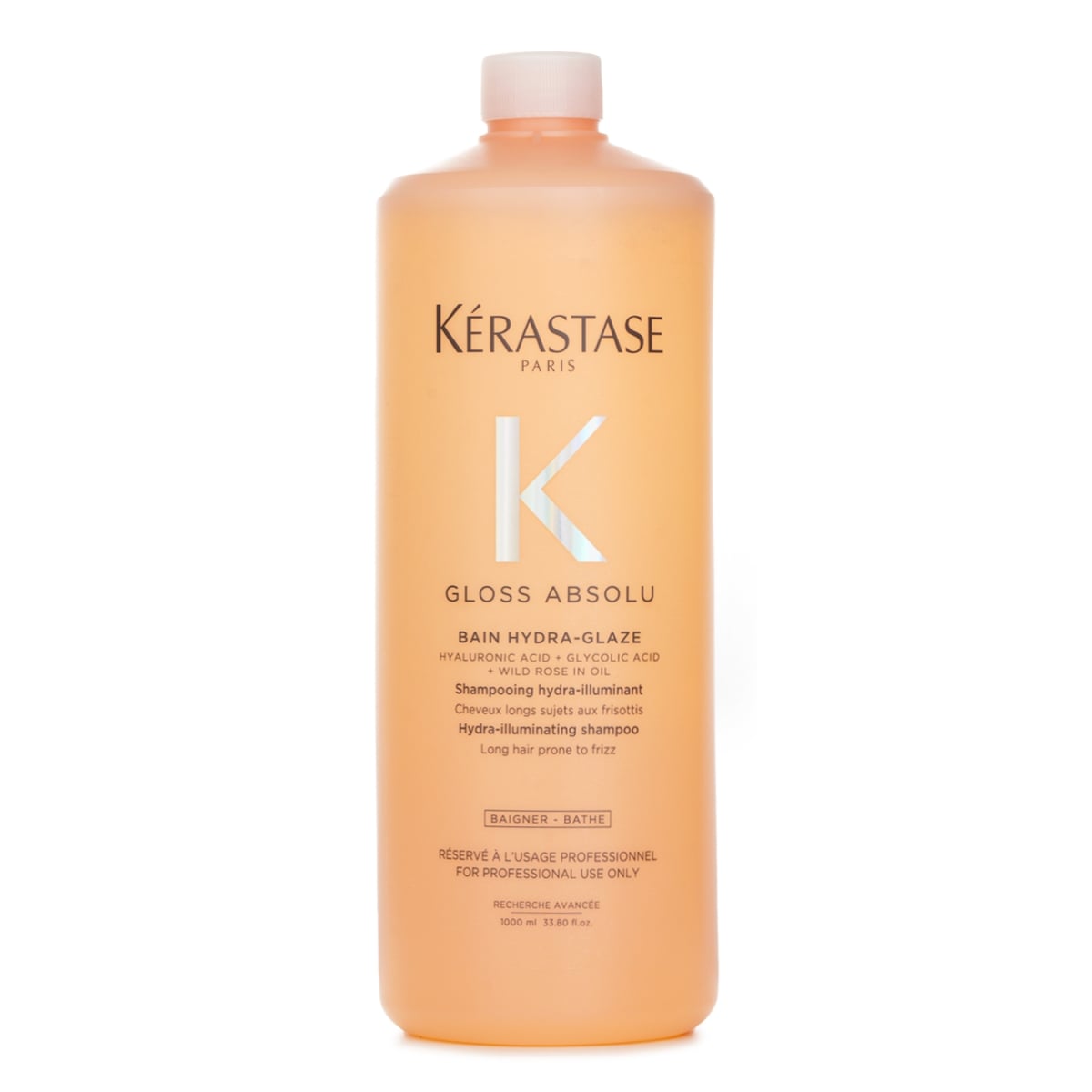


1000 ml Gloss Absolu Bain Hydra Glaze Shampoo
Analysis updated August 2026 · How Scout scores
At a glance
Summary
This shampoo contains Sodium Laureth Sulfate, which can strip natural oils from the hair and scalp, leading to dryness. It also includes synthetic fragrance, which can cause allergic reactions and sensitivities. However, it features beneficial ingredients like Decyl Glucoside, a gentle surfactant, and several conditioning agents that support hair health, providing some balance to the formulation.
Key ingredients 30
ArginineGood
Arginine is an amino acid that can help strengthen hair and improve its elasticity. It supports the production of keratin, a key protein in hair structure. It is beneficial for maintaining healthy hair growth.
Risks
There are minimal risks associated with arginine in topical applications.
Benefits
Strengthens hair and supports healthy growth.
Salicylic AcidGood
Salicylic Acid is a beta hydroxy acid known for its exfoliating properties. It helps remove dead skin cells and reduce dandruff. It is effective in treating scalp conditions like dandruff and seborrheic dermatitis.
Risks
May cause irritation if used excessively or on sensitive skin.
Benefits
Exfoliates the scalp and reduces dandruff, promoting a healthier scalp environment.
Decyl GlucosideGood
Decyl Glucoside is a mild, non-ionic surfactant derived from glucose and coconut oil. It is gentle on the skin and hair, making it suitable for sensitive scalps. It is biodegradable and environmentally friendly.
Risks
There are minimal risks associated with its use.
Benefits
Provides gentle cleansing and is environmentally friendly.
Glyceryl OleateGood
Glyceryl Oleate is an emulsifier and conditioning agent derived from natural oils. It helps to moisturize and smooth the hair, improving its texture. It is generally well-tolerated and beneficial for hair health.
Risks
There are minimal risks associated with its use.
Benefits
Moisturizes and smooths hair, enhancing texture.
Glycolic AcidGood
Glycolic Acid is an alpha hydroxy acid that helps exfoliate the scalp and improve hair texture. It can enhance moisture retention and promote a healthy scalp environment. It is beneficial for maintaining scalp health and hair smoothness.
Risks
Overuse can lead to irritation or sensitivity in some individuals.
Benefits
Exfoliates the scalp and improves hair texture.
Sodium HyaluronateGood
Sodium Hyaluronate is a salt form of hyaluronic acid known for its hydrating properties. It helps retain moisture in the hair and scalp, improving hydration and elasticity. It is beneficial for maintaining healthy, hydrated hair.
Risks
There are minimal risks associated with its use.
Benefits
Enhances moisture retention and improves hair hydration.
Caprylic/Capric TriglycerideGood
Caprylic/Capric Triglyceride is an emollient derived from coconut oil and glycerin. It helps to moisturize and condition the hair, improving its texture and softness. It is generally well-tolerated and beneficial for hair health.
Risks
There are minimal risks associated with its use.
Benefits
Moisturizes and conditions hair, enhancing softness.
TocopherolGood
Tocopherol, also known as Vitamin E, is an antioxidant that helps protect hair from damage. It supports scalp health and can improve hair strength and shine. It is beneficial for maintaining healthy hair and scalp.
Risks
There are minimal risks associated with its use.
Benefits
Protects hair from damage and improves strength and shine.
Ascorbyl PalmitateGood
Ascorbyl Palmitate is a stable form of Vitamin C used as an antioxidant. It helps protect hair from oxidative stress and environmental damage. It is beneficial for maintaining healthy, vibrant hair.
Risks
There are minimal risks associated with its use.
Benefits
Protects hair from oxidative stress and environmental damage.
Rosa Canina Flower ExtractGood
Rosa Canina Flower Extract is derived from the rose plant and is known for its antioxidant properties. It helps protect hair from environmental damage and supports scalp health. It is beneficial for maintaining healthy, vibrant hair.
Risks
There are minimal risks associated with its use.
Benefits
Protects hair from environmental damage and supports scalp health.
Aqua/Water/EauNeutral
Water is a universal solvent used as a base in many cosmetic products. It helps dissolve other ingredients and provides a medium for them to function. It does not have any direct benefits or risks.
Risks
There are no known risks associated with water in cosmetic formulations.
Benefits
Water hydrates and helps distribute other ingredients evenly.
Lactic AcidNeutral
Standard formulation ingredient — neither beneficial nor harmful at typical use.
Risks
Overuse can lead to irritation or sensitivity in some individuals.
Benefits
Promotes exfoliation and hydration, improving scalp and hair health.
Sodium HydroxideNeutral
Sodium Hydroxide is used to adjust the pH of cosmetic products. It is a strong base that can neutralize acids. In small amounts, it is safe and effective for pH balancing.
Risks
In high concentrations, it can be corrosive and irritating.
Benefits
Helps maintain the desired pH level of the product.
Triethyl CitrateNeutral
Triethyl Citrate is used as a fragrance ingredient and stabilizer. It helps in reducing the volatility of other ingredients. It is generally considered safe for use in cosmetics.
Risks
There are minimal risks associated with its use in cosmetics.
Benefits
Stabilizes formulations and enhances fragrance longevity.
Cocamidopropyl HydroxysultaineNeutral
Cocamidopropyl Hydroxysultaine is a mild surfactant derived from coconut oil. It helps to create foam and cleanse the hair without stripping natural oils. It is generally well-tolerated and considered safe.
Risks
Rarely, it can cause irritation in sensitive individuals.
Benefits
Provides gentle cleansing and foaming properties.
Sodium ChlorideNeutral
Standard formulation ingredient — neither beneficial nor harmful at typical use.
Risks
May cause scalp dryness and irritation.
Benefits
Helps thicken the product for better consistency.
Hydroxypropyl Guar Hydroxypropyltrimonium ChlorideNeutral
This ingredient is a conditioning agent that helps improve the texture and manageability of hair. It is derived from guar gum and is generally considered safe. It helps reduce static and frizz in hair.
Risks
There are minimal risks associated with its use.
Benefits
Improves hair texture and reduces static and frizz.
Brassicamidopropyl DimethylamineNeutral
Brassicamidopropyl Dimethylamine is a conditioning agent derived from brassica oil. It helps detangle hair and improve its manageability. It is considered safe and effective for hair care.
Risks
There are minimal risks associated with its use.
Benefits
Detangles hair and improves manageability.
Citric AcidNeutral
Citric Acid is used to adjust the pH of cosmetic products. It can also act as a preservative and antioxidant. It is generally safe and effective for maintaining product stability.
Risks
In high concentrations, it can cause irritation.
Benefits
Helps maintain pH balance and product stability.
CitronellolNeutral
Citronellol is a fragrance ingredient with a rose-like scent. It is found naturally in essential oils such as rose and geranium. It is generally safe but can cause sensitivity in some individuals.
Risks
May cause skin irritation or allergic reactions in sensitive individuals.
Benefits
Provides a pleasant rose-like scent.
Hexyl CinnamalNeutral
Hexyl Cinnamal is a fragrance ingredient used for its jasmine-like scent. It is synthetically produced and commonly used in perfumes and cosmetics. It is generally safe but can cause sensitivity in some individuals.
Risks
May cause skin irritation or allergic reactions in sensitive individuals.
Benefits
Provides a pleasant jasmine-like scent.
Alpha-Isomethyl IononeNeutral
Alpha-Isomethyl Ionone is a fragrance ingredient used for its floral scent. It is commonly used in perfumes and cosmetics. It is generally safe but can cause sensitivity in some individuals.
Risks
May cause skin irritation or allergic reactions in sensitive individuals.
Benefits
Provides a pleasant floral scent.
Hydrogenated Palm Glycerides CitrateNeutral
Hydrogenated Palm Glycerides Citrate is an emulsifier and conditioning agent. It helps to stabilize formulations and improve hair texture. It is generally considered safe for use in cosmetics.
Risks
There are minimal risks associated with its use.
Benefits
Stabilizes formulations and improves hair texture.
Sodium Laureth SulfateBad
Sodium Laureth Sulfate is a surfactant used for its cleansing and foaming properties. It can strip natural oils from the hair and scalp, leading to dryness. It is less irritating than Sodium Lauryl Sulfate but still a concern for sensitive skin.
Risks
May cause dryness and irritation, especially for sensitive scalps.
Benefits
Provides effective cleansing and foaming action.
Sodium BenzoateBad
Synthetic preservative that can form benzene in the presence of vitamin C.
Risks
In rare cases, it can cause irritation or allergic reactions.
Benefits
Prevents microbial growth and extends product shelf life.
LimoneneBad
Processed additive flagged under Scout's ingredient doctrine.
Risks
May cause skin irritation or allergic reactions in sensitive individuals.
Benefits
Provides a fresh citrus scent and has antimicrobial properties.
LinaloolBad
Processed additive flagged under Scout's ingredient doctrine.
Risks
May cause skin irritation or allergic reactions in sensitive individuals.
Benefits
Provides a pleasant floral scent.
CitralBad
Processed additive flagged under Scout's ingredient doctrine.
Risks
May cause skin irritation or allergic reactions in sensitive individuals.
Benefits
Provides a strong lemon scent.
LecithinBad
Processed additive flagged under Scout's ingredient doctrine.
Risks
There are minimal risks associated with its use.
Benefits
Improves hair texture and manageability.
Parfum/FragranceVery Bad
Fragrance is used to impart scent to products but can contain a mix of undisclosed chemicals. It is a common cause of allergic reactions and sensitivities. Synthetic fragrances can also contain phthalates, which are endocrine disruptors.
Risks
Potential for allergic reactions and endocrine disruption.
Benefits
Provides a pleasant scent to the product.
Get the full breakdown in the Scout appTake Scout shopping
Scan any product to see lab results, healthy alternatives, and your personalized analysis.
Download on theApp Store GET IT ONGoogle Play