
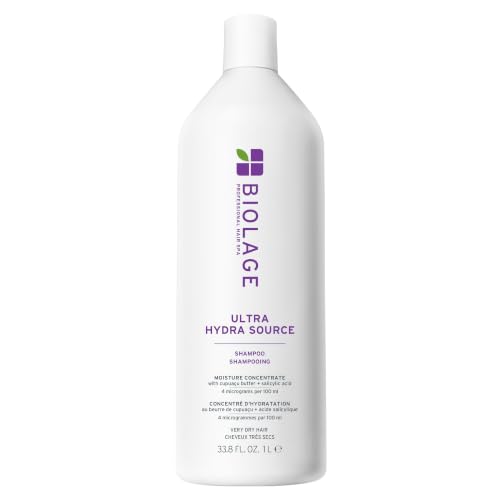

Biolage Ultra Hydrasource Shampoo 33.8 Oz
Analysis updated August 2026 · How Scout scores
At a glance
Summary
This shampoo contains Sodium Laureth Sulfate, which can strip natural oils and cause dryness, and synthetic fragrance, which may lead to irritation. However, it also includes beneficial ingredients like Aloe Vera and Apricot Kernel Oil, which provide moisturizing and soothing properties. The presence of both beneficial and potentially irritating ingredients results in a mixed evaluation, with some concerns about ingredient safety and scalp health.
Key ingredients 26
Prunus Armeniaca Kernel Oil / Apricot Kernel OilVery Good
Apricot Kernel Oil is a natural oil used for its moisturizing and conditioning properties. It is rich in fatty acids and vitamins, which help nourish and soften the hair. It is considered a beneficial ingredient in hair care products.
Risks
Generally considered safe with low risk of irritation.
Benefits
Moisturizes and conditions the hair, improving softness and shine.
Theobroma Grandiflorum Seed ButterVery Good
Theobroma Grandiflorum Seed Butter, also known as Cupuaçu Butter, is used for its emollient properties. It helps to hydrate and condition the hair, improving its texture and manageability. It is rich in fatty acids and antioxidants.
Risks
Generally considered safe with low risk of irritation.
Benefits
Hydrates and conditions the hair, enhancing texture and manageability.
Coco-BetaineGood
Coco-Betaine is a mild surfactant derived from coconut oil, used to enhance foam and improve the texture of the product. It is considered gentle on the skin and hair. It helps to reduce irritation caused by harsher surfactants.
Risks
Generally considered safe with low risk of irritation.
Benefits
Enhances foam and provides a gentle cleansing action.
Salicylic AcidGood
Salicylic Acid is used for its exfoliating properties, helping to remove dead skin cells and reduce dandruff. It is effective in treating scalp conditions like dandruff and seborrheic dermatitis. It is generally well-tolerated in cosmetic formulations.
Risks
May cause irritation in sensitive individuals or if used excessively.
Benefits
Helps exfoliate the scalp and reduce dandruff.
Aloe Barbadensis Leaf JuiceGood
Aloe Vera is known for its soothing and moisturizing properties. It helps to hydrate the scalp and hair, reducing dryness and irritation. It is a beneficial ingredient in hair care products for its calming effects.
Risks
Generally considered safe with low risk of irritation.
Benefits
Soothes and hydrates the scalp and hair, reducing dryness.
TocopherolGood
Tocopherol, also known as Vitamin E, is an antioxidant used to protect the product from oxidation. It helps to nourish and protect the hair and scalp. It is considered a beneficial ingredient in hair care products.
Risks
Generally considered safe with low risk of irritation.
Benefits
Nourishes and protects the hair and scalp with antioxidant properties.
Aqua / Water / EauNeutral
Water is a universal solvent used as a base in many cosmetic products. It helps dissolve other ingredients and provides a medium for them to function. It does not have any direct benefits or risks in the formulation.
Risks
There are no inherent risks associated with water in cosmetic formulations.
Benefits
Water acts as a carrier for other ingredients, allowing them to be evenly distributed.
Glycol DistearateNeutral
Glycol Distearate is used as an opacifying agent and to give the product a pearlescent appearance. It does not have significant benefits or risks associated with its use. It primarily serves an aesthetic function in the formulation.
Benefits
Improves the visual appeal of the product with a pearlescent effect.
Sodium ChlorideNeutral
Standard formulation ingredient — neither beneficial nor harmful at typical use.
Risks
May cause dryness and irritation to the scalp.
Benefits
Helps to thicken the shampoo, improving its texture.
Citric AcidNeutral
Citric Acid is used to adjust the pH of cosmetic products. It helps maintain the stability and efficacy of the formulation. It is generally safe and non-irritating in small amounts.
Risks
Can cause irritation if used in high concentrations.
Benefits
Helps to maintain the pH balance of the product.
Sodium HydroxideNeutral
Sodium Hydroxide is used to adjust the pH of cosmetic formulations. It is effective in small amounts and helps maintain product stability. It does not have direct benefits or risks when used appropriately.
Risks
Can cause irritation if used in high concentrations.
Benefits
Helps to maintain the pH balance of the product.
Hexylene GlycolNeutral
Hexylene Glycol is used as a solvent and viscosity agent in cosmetics. It helps improve the texture and spreadability of the product. It is generally considered safe in cosmetic formulations.
Risks
Potential for minor irritation in sensitive individuals.
Benefits
Improves the texture and spreadability of the product.
Guar Hydroxypropyltrimonium ChlorideNeutral
This ingredient is used as a conditioning agent to improve the texture and manageability of hair. It helps reduce static and frizz. It is generally considered safe and effective in hair care products.
Benefits
Improves hair texture and reduces static and frizz.
CarbomerNeutral
Carbomer is used as a thickening agent to stabilize emulsions in cosmetic products. It helps improve the texture and consistency of the product. It is generally considered safe and non-irritating.
Benefits
Improves the texture and stability of the product.
Hexyl CinnamalNeutral
Hexyl Cinnamal is a fragrance ingredient used to impart a floral scent to cosmetic products. It is generally considered safe but can cause allergic reactions in sensitive individuals. It does not provide direct benefits to the hair or scalp.
Risks
Potential for allergic reactions and skin irritation.
Benefits
Provides a floral scent to the product.
CoumarinNeutral
Coumarin is a fragrance ingredient used to impart a sweet scent to cosmetic products. It is generally considered safe but can cause allergic reactions in sensitive individuals. It does not provide direct benefits to the hair or scalp.
Risks
Potential for allergic reactions and skin irritation.
Benefits
Provides a sweet scent to the product.
Amyl CinnamalNeutral
Amyl Cinnamal is a fragrance ingredient used to impart a jasmine-like scent to cosmetic products. It is generally considered safe but can cause allergic reactions in sensitive individuals. It does not provide direct benefits to the hair or scalp.
Risks
Potential for allergic reactions and skin irritation.
Benefits
Provides a jasmine-like scent to the product.
Fumaric AcidNeutral
Fumaric Acid is used as a pH adjuster and stabilizer in cosmetic formulations. It helps maintain the stability and efficacy of the product. It is generally considered safe and non-irritating.
Benefits
Helps to maintain the pH balance and stability of the product.
Sodium Laureth SulfateBad
Sodium Laureth Sulfate is a surfactant used for its cleansing and foaming properties. It can strip natural oils from the hair, leading to dryness and irritation. It is less harsh than Sodium Lauryl Sulfate but still considered a potential irritant.
Risks
May cause dryness and irritation to the scalp and skin.
Benefits
Provides effective cleansing and foaming action.
Cocamide MEABad
Processed additive flagged under Scout's ingredient doctrine.
Risks
Potential for minor irritation in sensitive individuals.
Benefits
Enhances foam and stabilizes the product formulation.
Sodium BenzoateBad
Synthetic preservative that can form benzene in the presence of vitamin C.
Risks
May cause irritation in sensitive individuals.
Benefits
Prevents microbial growth, extending the shelf life of the product.
LimoneneBad
Processed additive flagged under Scout's ingredient doctrine.
Risks
Potential for allergic reactions and skin irritation.
Benefits
Provides a fresh citrus scent to the product.
Benzyl AlcoholBad
Benzyl Alcohol is used as a preservative and solvent in cosmetic products. It can cause skin irritation and dryness, especially in sensitive individuals. It is effective in preventing microbial growth but can be drying.
Risks
May cause skin irritation and dryness.
Benefits
Prevents microbial growth, extending the shelf life of the product.
LinaloolBad
Processed additive flagged under Scout's ingredient doctrine.
Risks
Potential for allergic reactions and skin irritation.
Benefits
Provides a floral scent to the product.
Potassium SorbateBad
Synthetic preservative — flagged in daily-use products.
Risks
May cause irritation in sensitive individuals.
Benefits
Prevents microbial growth, extending the shelf life of the product.
Parfum / FragranceVery Bad
Fragrance is used to impart a pleasant scent to the product. It can cause allergic reactions and irritation in sensitive individuals. The specific components of synthetic fragrances are often undisclosed, leading to potential unknown risks.
Risks
Potential for allergic reactions and skin irritation.
Benefits
Provides a pleasant scent to the product.
Get the full breakdown in the Scout appTake Scout shopping
Scan any product to see lab results, healthy alternatives, and your personalized analysis.
Download on theApp Store GET IT ONGoogle PlayAmazon pricing & content
Amazon price as of . Product prices and availability are accurate as of the date/time indicated and are subject to change. Any price and availability information displayed on Amazon.com at the time of purchase will apply to the purchase of this product.
CERTAIN CONTENT THAT APPEARS ON THIS SITE COMES FROM AMAZON. THIS CONTENT IS PROVIDED “AS IS” AND IS SUBJECT TO CHANGE OR REMOVAL AT ANY TIME.