

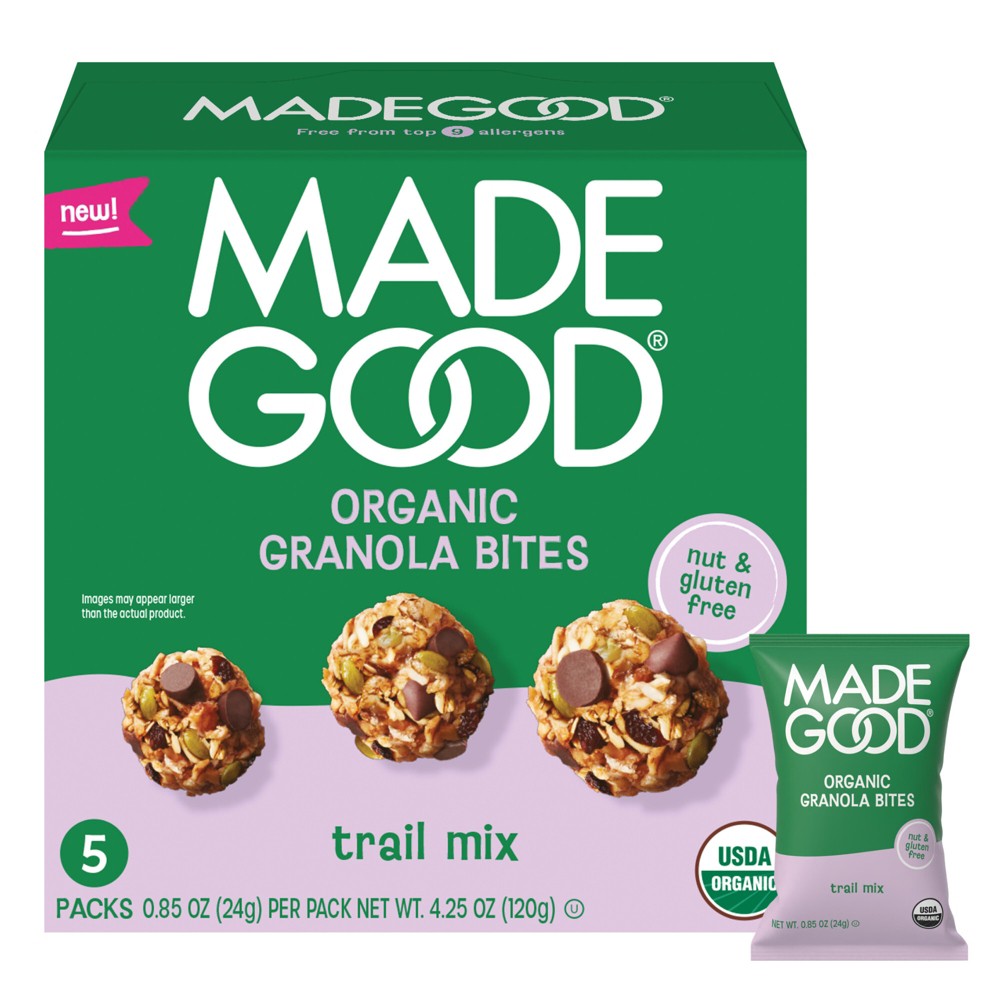


Nature Valley Trail Mix Fruit & Nut Chewy Granola Bar
Summary
This granola bar contains beneficial ingredients like whole grain oats and almonds, which provide fiber and healthy fats. However, it is heavily processed with added sugars such as corn syrup and sugar, and includes multiple additives like natural flavors and emulsifiers. The high level of processing and presence of refined sugars significantly impact its overall healthiness.
At a glance
Key ingredients 17
Whole Grain OatsGood
Whole grain oats are a source of complex carbohydrates and dietary fiber. They are minimally processed and retain their nutrient profile. Oats can help in maintaining healthy cholesterol levels.
Benefits
Rich in beta-glucan, which can help lower cholesterol and improve heart health. Provides sustained energy due to its complex carbohydrate content.
Corn SyrupBad
Corn syrup is a refined sugar that can contribute to increased blood sugar levels. It is highly processed and lacks nutritional benefits. Excessive consumption may lead to metabolic issues.
Risks
High in fructose, which can contribute to insulin resistance and obesity when consumed in large amounts.
SugarBad
Refined sugar is a simple carbohydrate that can lead to spikes in blood glucose levels. It is highly processed and offers no essential nutrients. Overconsumption is linked to various health issues such as obesity and diabetes.
Risks
Can contribute to weight gain and increase the risk of chronic diseases like type 2 diabetes and heart disease.
AlmondsGood
Almonds are a nutrient-dense nut rich in healthy fats, protein, and fiber. They are minimally processed and provide essential vitamins and minerals. Almonds can support heart health and weight management.
Risks
Potential allergen for individuals with nut allergies.
Benefits
Rich in monounsaturated fats, vitamin E, and magnesium, which support heart health and provide antioxidant benefits.
CranberriesGood
Cranberries are a source of antioxidants and vitamin C. They are often dried and may contain added sugars. Cranberries can support urinary tract health.
Risks
May contain added sugars, which can reduce their health benefits.
Benefits
Rich in antioxidants that can help reduce inflammation and support immune function.
Roasted PeanutsNeutral
Roasted peanuts are a source of protein and healthy fats. They are processed through roasting, which can enhance flavor but may reduce some nutrient content. Peanuts can be a healthy snack when consumed in moderation.
Risks
Potential allergen for individuals with peanut allergies.
Benefits
Provide protein and healthy fats that can support satiety and energy levels.
RaisinsNeutral
Raisins are dried grapes that provide natural sugars and some fiber. They are minimally processed but can be high in sugar content. Raisins can be a convenient source of quick energy.
Risks
High in natural sugars, which can contribute to calorie intake if consumed in excess.
Benefits
Contain antioxidants and fiber that can support digestive health.
Rice FlourNeutral
Rice flour is a gluten-free flour alternative made from milled rice. It is processed to remove the bran and germ, reducing its nutritional content. Rice flour is often used in gluten-free baking.
Risks
Limited nutritional benefits compared to whole grain flours.
Benefits
Provides a gluten-free option for those with celiac disease or gluten sensitivity.
Vegetable GlycerinNeutral
Vegetable glycerin is a sugar alcohol used as a sweetener and humectant. It is derived from plant oils through hydrolysis. Glycerin is generally recognized as safe but offers no significant nutritional benefits.
Risks
Excessive consumption may cause digestive discomfort.
Benefits
Helps retain moisture in food products, improving texture.
Ca FructoseBad
Ca fructose is a form of fructose used as a sweetener. It is highly processed and can contribute to increased blood sugar levels. Overconsumption may lead to metabolic issues.
Risks
High fructose intake is associated with insulin resistance and increased risk of obesity.
Corn StarchNeutral
Corn starch is a refined carbohydrate used as a thickening agent. It is highly processed and lacks significant nutritional value. Corn starch is commonly used in food processing for texture enhancement.
Risks
May contribute to increased calorie intake without providing essential nutrients.
Benefits
Provides a gluten-free thickening option for various recipes.
Soy LecithinNeutral
Soy lecithin is an emulsifier derived from soybeans. It is processed to extract lecithin, which helps blend ingredients. Soy lecithin is widely used in food products for its emulsifying properties.
Risks
Potential allergen for individuals with soy allergies.
Benefits
Improves texture and consistency in food products.
SaltNeutral
Salt is a mineral used to enhance flavor and preserve food. It is minimally processed but should be consumed in moderation. Excessive salt intake can lead to health issues.
Risks
High sodium intake is linked to increased blood pressure and cardiovascular risk.
Benefits
Essential for maintaining fluid balance and nerve function.
Barley Malt ExtractNeutral
Barley malt extract is a sweetener derived from malted barley. It is processed to concentrate sugars and flavors. Provides a distinct malt flavor to food products.
Risks
Contains gluten, which may be a concern for individuals with celiac disease.
Benefits
Adds a unique flavor profile to foods and can enhance sweetness naturally.
Baking SodaNeutral
Baking soda is a leavening agent used to help baked goods rise. It is a simple chemical compound with no significant nutritional value. Baking soda is essential in many baking recipes for texture.
Risks
Excessive consumption can lead to alkalosis, but this is unlikely in typical food use.
Benefits
Helps improve the texture and volume of baked goods.
Natural FlavorBad
Natural flavor is a catch-all term for flavoring agents derived from natural sources. It is highly processed and lacks transparency regarding specific ingredients. The term can mask the presence of additives or allergens.
Risks
Lack of transparency can be concerning for individuals with allergies or sensitivities.
Vitamin E (mixed tocopherols)Good
Vitamin E is an antioxidant that helps protect cells from oxidative damage. Mixed tocopherols are derived from natural sources and are minimally processed. Vitamin E supports immune function and skin health.
Benefits
Provides antioxidant protection and supports overall health.
Processing
Ultra-Processed Foods
Get the full breakdown in the Scout app
Scan any product to see lab results, healthy alternatives, and your personalized analysis.
Download on theApp Store