
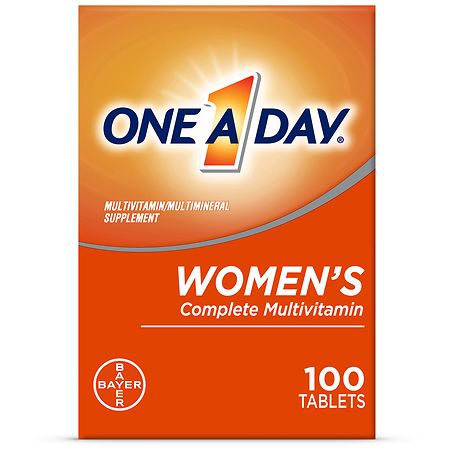

One A Day Women's Multivitamin with Biotin, & Skin Health Support Tablets - 100ct
Analysis updated August 2026 · How Scout scores
At a glance
Summary
This multivitamin contains beneficial ingredients such as calcium carbonate, ascorbic acid, and biotin, which support bone health, immune function, and skin health. However, the presence of maltodextrin and titanium dioxide, which are considered less desirable due to their processing and potential health concerns, slightly detracts from its overall quality. The formulation includes a moderate number of additives, which impacts its processing level, but it remains a viable option for those seeking a comprehensive multivitamin.
Key ingredients 11
CholecalciferolVery Good
Cholecalciferol is Vitamin D3, which is crucial for calcium absorption and bone health. It is the preferred form of Vitamin D due to its superior absorption and effectiveness. Vitamin D3 is essential for maintaining healthy bones and supporting immune function.
Risks
Excessive intake can lead to toxicity, causing hypercalcemia.
Benefits
Enhances calcium absorption and supports bone and immune health.
Ascorbic AcidGood
Ascorbic acid is a form of Vitamin C, an essential nutrient that supports immune function and acts as an antioxidant. It is crucial for the synthesis of collagen and the repair of tissues. Ascorbic acid is well-known for its role in enhancing iron absorption from plant-based foods.
Risks
High doses may cause gastrointestinal discomfort or kidney stones.
Benefits
Boosts immune function and enhances iron absorption.
Ferrous FumarateGood
Ferrous fumarate is a form of iron used to treat or prevent low blood levels of iron (such as those caused by anemia or during pregnancy). It is a well-absorbed form of iron that helps in the production of red blood cells. This form of iron is often used in supplements due to its effectiveness in increasing iron levels.
Risks
Excessive iron intake can lead to toxicity, causing symptoms like nausea and constipation.
Benefits
Essential for the production of hemoglobin and red blood cells.
dl-Alpha-Tocopherol AcetateGood
dl-Alpha-Tocopherol Acetate is a synthetic form of Vitamin E, an antioxidant that helps protect cells from damage. It is used in supplements to support skin health and immune function. Despite being synthetic, it is effective in providing the antioxidant benefits of Vitamin E.
Risks
High doses may interfere with blood clotting and increase the risk of bleeding.
Benefits
Acts as an antioxidant and supports skin and immune health.
NiacinamideGood
Niacinamide is a form of Vitamin B3 that supports skin health and energy metabolism. It is known for its role in converting nutrients into energy and maintaining healthy skin. Niacinamide is often used in supplements for its skin benefits and energy support.
Risks
High doses may cause liver damage or gastrointestinal issues.
Benefits
Supports energy metabolism and promotes healthy skin.
BiotinGood
Biotin, also known as Vitamin B7, is essential for healthy hair, skin, and nails. It plays a crucial role in energy metabolism and the synthesis of fatty acids. Biotin is often included in supplements for its benefits to skin and hair health.
Benefits
Supports healthy hair, skin, and nails, and aids in energy metabolism.
Calcium CarbonateNeutral
Standard formulation ingredient — neither beneficial nor harmful at typical use.
Risks
Excessive intake may lead to kidney stones or interfere with the absorption of other minerals.
Benefits
Supports bone health and helps maintain strong bones and teeth.
Magnesium OxideNeutral
Magnesium oxide is a common form of magnesium used in supplements, though it has lower bioavailability compared to other forms. It is often used to support muscle and nerve function. While it provides magnesium, its absorption rate is not as high as other forms like magnesium citrate.
Risks
May cause digestive issues such as diarrhea in high doses.
Benefits
Supports muscle and nerve function, though absorption is limited.
GelatinNeutral
Gelatin is used as a gelling agent in supplements and is derived from animal collagen. It is commonly used to form capsules and tablets. While it provides no significant nutritional benefits, it is a standard ingredient in supplement manufacturing.
See more about Gelatin →MaltodextrinBad
Maltodextrin is a polysaccharide used as a filler or thickener in supplements. It is highly processed and can cause spikes in blood sugar levels. While it is commonly used in food products, it offers no nutritional benefits and is often criticized for its high glycemic index.
Risks
May cause blood sugar spikes and is highly processed.
Color (Riboflavin, Titanium Dioxide, Vegetable Juice)Bad
The use of color additives like titanium dioxide is controversial due to potential health concerns. While riboflavin and vegetable juice are generally safe, titanium dioxide is often criticized for its potential to cause inflammation and other health issues. The inclusion of artificial colors is generally discouraged in health supplements.
Risks
Titanium dioxide may pose health risks, including inflammation and potential carcinogenic effects.
Processing
Ultra-Processed Foods
Get the full breakdown in the Scout appTake Scout shopping
Scan any product to see lab results, healthy alternatives, and your personalized analysis.
Download on theApp Store GET IT ONGoogle Play