



At a glance
Summary
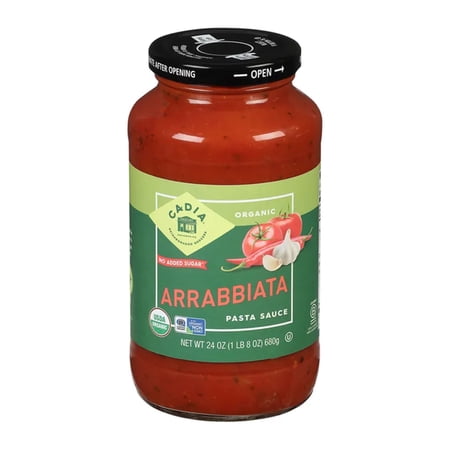
This arrabbiata sauce features high-quality ingredients like Italian tomato pulp and extra virgin olive oil, both of which are minimally processed and rich in beneficial nutrients. The inclusion of fresh garlic, basil, and chili pepper adds to its nutritional profile. However, the presence of refined sugar and its processed nature slightly reduce its overall health score.
Key ingredients 7
Italian tomato pulpVery Good
Tomato pulp is rich in vitamins, minerals, and antioxidants like lycopene. It is minimally processed, retaining most of its natural nutrients. Lycopene is known for its potential to reduce the risk of chronic diseases.
Benefits
Rich in antioxidants, particularly lycopene, which may help reduce the risk of heart disease and certain cancers.
Extra virgin olive oilVery Good
High-quality monounsaturated fat with anti-inflammatory properties. Contains antioxidants that support heart health. Cold-pressed extraction preserves beneficial compounds.
Benefits
Rich in monounsaturated fats that support heart health and provide anti-inflammatory properties. Contains antioxidants like vitamin E and polyphenols that may reduce oxidative stress.
Chilli pepperGood
Chilli peppers contain capsaicin, which has anti-inflammatory and metabolism-boosting properties. They are a natural source of vitamins A and C. Capsaicin may also aid in pain relief and weight management.
Risks
May cause digestive discomfort in sensitive individuals.
Benefits
Contains capsaicin, which can boost metabolism and provide anti-inflammatory benefits.
BasilGood
Basil is a herb rich in antioxidants and essential oils that have anti-inflammatory properties. It is minimally processed and adds flavor without calories. Basil may support immune health and reduce oxidative stress.
Benefits
Rich in antioxidants and essential oils that may support immune health and reduce inflammation.
Fresh garlicGood
Garlic is known for its immune-boosting and cardiovascular benefits due to its sulfur compounds. It is a natural ingredient with minimal processing. Garlic may help lower blood pressure and cholesterol levels.
Risks
May cause digestive upset in some individuals when consumed in large amounts.
Benefits
Contains sulfur compounds that support immune function and cardiovascular health.
SaltNeutral
Salt is essential for maintaining fluid balance and nerve function. However, excessive intake can lead to hypertension and cardiovascular issues. It is a common seasoning used to enhance flavor.
Risks
Excessive consumption can lead to high blood pressure and increased risk of heart disease.
Benefits
Essential for maintaining electrolyte balance and proper muscle function.
SugarBad
Refined sugar contributes to increased calorie intake without providing essential nutrients. It can lead to weight gain and increased risk of metabolic diseases. Excessive consumption is linked to various health issues including diabetes and heart disease.
Risks
High intake of refined sugar can lead to obesity, insulin resistance, and increased risk of chronic diseases.
Processing
Processed Foods
Get the full breakdown in the Scout appTake Scout shopping
Scan any product to see lab results, healthy alternatives, and your personalized analysis.
Download on theApp Store GET IT ONGoogle Play