


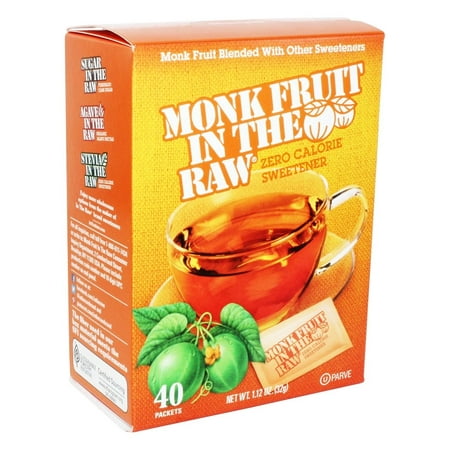
STEVIA ZERO CALORIE LIQUID SWEETENER
Analysis updated September 2026 · How Scout scores
At a glance
Summary
This product is ultra-processed, containing multiple additives including preservatives like sodium benzoate and potassium sorbate, which are associated with potential health concerns. While it includes beneficial ingredients such as erythritol and stevia extract, which are low-calorie sweeteners with minimal impact on blood sugar, the presence of synthetic preservatives and the overall processing level limit its healthiness.
Key ingredients 7
WaterNeutral
Water is a neutral ingredient primarily used as a solvent in liquid products. It is essential for dissolving other ingredients and ensuring even distribution. No significant health impacts are associated with water in this context.
See more about Water →ErythritolNeutral
Standard formulation ingredient — neither beneficial nor harmful at typical use.
Risks
Excessive consumption may cause digestive discomfort in some individuals.
Benefits
Provides sweetness without the calories or glycemic impact of sugar, making it suitable for diabetics and those managing weight.
Stevia ExtractNeutral
Standard formulation ingredient — neither beneficial nor harmful at typical use.
Benefits
Offers a natural, calorie-free alternative to sugar, beneficial for weight management and diabetic diets.
Malic AcidNeutral
Malic acid is an organic compound used to add tartness and enhance flavor. It is naturally found in fruits like apples and is synthetically produced for food use. It is generally recognized as safe when used in food products.
Risks
Excessive consumption may lead to digestive discomfort.
Natural FlavorsBad
Umbrella term that can hide dozens of undisclosed synthetic constituents.
Risks
Potential allergenicity or sensitivity in some individuals due to unknown components.
Sodium BenzoateBad
Sodium benzoate is a preservative used to inhibit microbial growth in acidic foods. It is synthetically produced and commonly used in processed foods. Concerns exist regarding its potential to form benzene, a carcinogen, when combined with vitamin C.
Risks
Potential formation of benzene, a known carcinogen, when combined with ascorbic acid (vitamin C).
Potassium SorbateBad
Potassium sorbate is a preservative used to prevent mold and yeast growth. It is synthetically produced and widely used in the food industry. While generally recognized as safe, it can cause allergic reactions in sensitive individuals.
Risks
May cause allergic reactions or skin irritation in sensitive individuals.
Processing
Ultra-Processed Foods
Get the full breakdown in the Scout appTake Scout shopping
Scan any product to see lab results, healthy alternatives, and your personalized analysis.
Download on theApp Store GET IT ONGoogle Play