
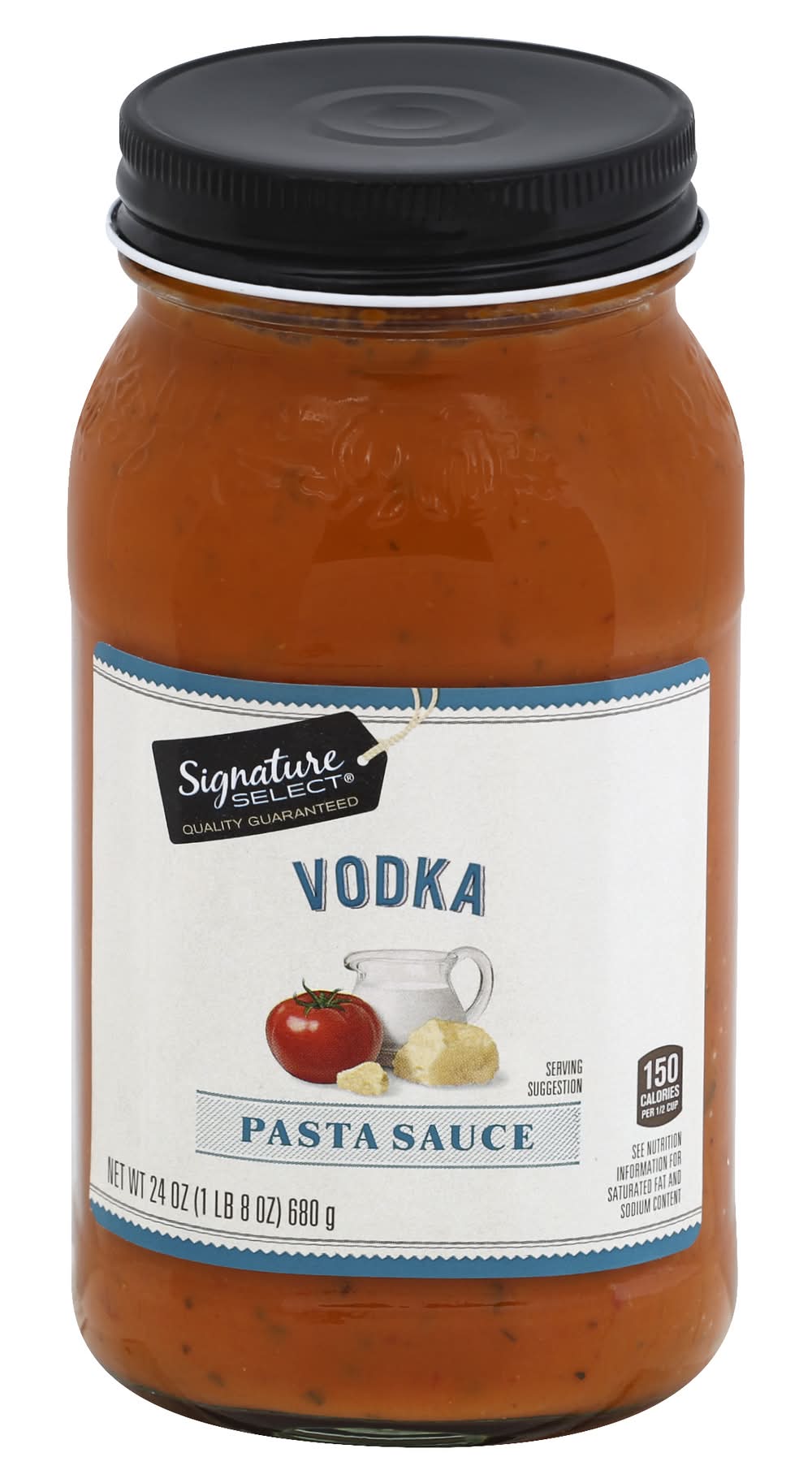

VODKA PASTA SAUCE
Summary
This vodka pasta sauce is ultra-processed, containing multiple additives such as mono- and diglycerides, polysorbate 80, carrageenan, and phosphoric acid, which contribute to its high processing level. While it includes beneficial ingredients like tomatoes and parmesan cheese, the presence of added sugar and natural flavors detracts from its overall healthiness. The combination of these factors results in a moderate score, reflecting both the positive and negative aspects of its ingredient profile.
At a glance
Key ingredients 11
TomatoesGood
Tomatoes are a rich source of vitamins, minerals, and antioxidants, particularly lycopene. They are minimally processed and retain most of their nutritional value. Lycopene has been associated with reduced risk of heart disease and certain cancers.
Benefits
Rich in vitamins C and K, folate, and potassium. Lycopene in tomatoes is a powerful antioxidant that may help reduce the risk of chronic diseases.
CreamNeutral
Cream provides a rich texture and flavor to the sauce, contributing to its creamy consistency. It is a source of saturated fats, which should be consumed in moderation. The presence of mono- and diglycerides indicates some level of processing.
Risks
High in saturated fats, which may contribute to heart disease if consumed in excess.
Benefits
Provides a rich source of calories and can enhance the flavor profile of dishes.
VodkaNeutral
Vodka is used in cooking to enhance flavors and create a smooth texture in sauces. It evaporates during cooking, leaving minimal alcohol content. The primary role is to release flavors from other ingredients.
Benefits
Enhances the flavor profile of the sauce by helping to release flavors from tomatoes and other ingredients.
SaltNeutral
Salt is used to enhance the flavor of the sauce. It is a common seasoning but should be consumed in moderation due to its sodium content. Excessive sodium intake can lead to health issues such as hypertension.
Risks
High sodium intake can contribute to hypertension and cardiovascular diseases.
Benefits
Enhances the flavor of food, making it more palatable.
SugarBad
Sugar is added to balance acidity and enhance flavor, but it is a refined carbohydrate with no essential nutrients. Excessive consumption can lead to health issues such as obesity and diabetes. It is often overused in processed foods.
Risks
High sugar intake is linked to obesity, type 2 diabetes, and dental cavities.
Benefits
Provides quick energy but lacks essential nutrients.
Parmesan CheeseGood
Parmesan cheese adds a rich, savory flavor and is a good source of calcium and protein. It is made from pasteurized milk and contains beneficial enzymes. The aging process enhances its flavor and digestibility.
Risks
Contains lactose, which may be a concern for those with lactose intolerance.
Benefits
Rich in calcium and protein, supporting bone health and muscle maintenance.
Natural FlavorsBad
Natural flavors are used to enhance taste but lack transparency regarding their specific composition. They are highly processed and can contain a variety of chemical compounds. This lack of clarity can be concerning for those with allergies or sensitivities.
Risks
Potential allergen risk due to undisclosed ingredients.
Benefits
Enhances flavor without adding calories.
Dehydrated OnionNeutral
Dehydrated onion provides flavor and aroma to the sauce. It is a convenient form of onion with a long shelf life. The dehydration process retains most of the onion's flavor but may reduce some nutrient content.
Benefits
Adds flavor and aroma, enhancing the overall taste of the dish.
Phosphoric AcidBad
Phosphoric acid is used as an acidity regulator and preservative. It is a synthetic additive that can contribute to mineral imbalances if consumed in large amounts. Its presence in processed foods is often criticized for potential health impacts.
Risks
Excessive intake may lead to reduced bone density and kidney issues.
Benefits
Helps maintain acidity and preserve the product.
SpicesNeutral
Spices add flavor and complexity to the sauce. They are generally considered beneficial for their antioxidant properties. The specific spices used are not disclosed, which limits detailed analysis.
Benefits
May provide antioxidants and enhance flavor.
Xanthan GumNeutral
Xanthan gum is used as a thickening agent and stabilizer in foods. It is a polysaccharide produced through fermentation and is generally recognized as safe. It can improve texture and consistency in sauces.
Risks
May cause digestive issues in sensitive individuals when consumed in large amounts.
Benefits
Improves texture and consistency without adding calories.
Processing
Ultra-Processed Foods
Get the full breakdown in the Scout app
Scan any product to see lab results, healthy alternatives, and your personalized analysis.
Download on theApp Store