



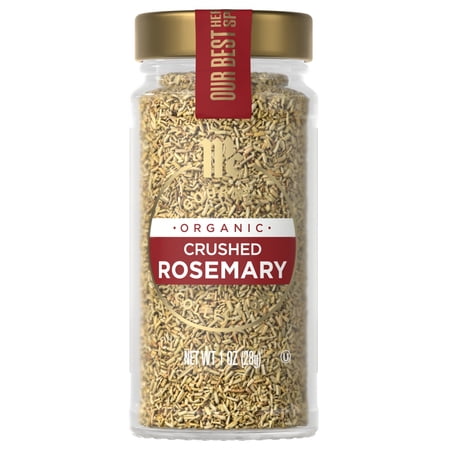

Goodness Gardens Rosemary
Analysis updated September 2026 · How Scout scores
At a glance
Summary
This product is composed of natural rosemary extracts and compounds, which are known for their potent antioxidant and anti-inflammatory properties. The ingredients are minimally processed, retaining their beneficial qualities, and include a variety of vitamins and minerals that contribute to overall health. The absence of artificial additives or harmful ingredients further enhances its health profile, making it a high-quality supplement.
Key ingredients 20
Rosmarinic AcidVery Good
Rosmarinic Acid is a potent antioxidant found in rosemary, known for its ability to neutralize free radicals. It is naturally occurring and not synthetically processed, maintaining its efficacy. This compound is also studied for its anti-inflammatory and antimicrobial properties.
Benefits
Provides strong antioxidant and anti-inflammatory benefits, supporting overall health.
Carnosic AcidVery Good
Carnosic Acid is another powerful antioxidant present in rosemary, contributing to its health benefits. It is naturally derived and helps in protecting the body from oxidative damage. Research suggests it may also support brain health and cognitive function.
Benefits
Offers neuroprotective effects and supports cognitive health due to its antioxidant properties.
CalciumVery Good
Calcium is an essential mineral crucial for bone health and muscle function. It is a vital nutrient that supports various physiological processes. Adequate calcium intake is important for preventing osteoporosis and maintaining strong bones.
Risks
Excessive intake may lead to kidney stones or impaired absorption of other minerals.
Benefits
Supports bone health, muscle function, and overall structural integrity of the body.
IronVery Good
Iron is a critical component of hemoglobin, necessary for oxygen transport in the blood. It is essential for energy production and immune function. Adequate iron intake prevents anemia and supports overall vitality.
Risks
Excessive iron can lead to toxicity and organ damage.
Benefits
Supports oxygen transport, energy production, and immune health.
PotassiumVery Good
Potassium is a vital mineral that helps regulate fluid balance, muscle contractions, and nerve signals. It is crucial for heart health and maintaining normal blood pressure. Adequate potassium intake supports cardiovascular health and reduces the risk of hypertension.
Risks
Excessive intake can lead to hyperkalemia, affecting heart function.
Benefits
Supports heart health, fluid balance, and normal blood pressure.
Vitamin B1Very Good
Vitamin B1, also known as thiamine, is essential for energy metabolism and nerve function. It helps convert nutrients into energy and supports the nervous system. Adequate intake is crucial for maintaining energy levels and neurological health.
Benefits
Supports energy metabolism and nerve function.
Vitamin B3Very Good
Vitamin B3, or niacin, is important for energy production and DNA repair. It supports skin health and helps lower cholesterol levels. Adequate niacin intake is essential for maintaining healthy skin and cardiovascular health.
Risks
High doses may cause flushing or liver damage.
Benefits
Supports energy production, skin health, and cholesterol management.
Vitamin CVery Good
Vitamin C is a powerful antioxidant that supports immune function and collagen synthesis. It helps protect cells from oxidative damage and enhances iron absorption. Adequate vitamin C intake is crucial for immune health and skin integrity.
Risks
Excessive intake may cause gastrointestinal discomfort.
Benefits
Supports immune function, collagen synthesis, and antioxidant protection.
Rosmarinus Officinalis Leaf OilGood
Rosmarinus Officinalis Leaf Oil is known for its antioxidant properties, which can help protect cells from damage. It is a natural extract with minimal processing, retaining its beneficial compounds. This ingredient is often used for its potential to support skin health and reduce inflammation.
Benefits
Rich in antioxidants that may help protect against oxidative stress and inflammation.
CarnosolGood
Carnosol is a diterpene found in rosemary with antioxidant and anti-inflammatory effects. It is naturally sourced and retains its beneficial properties without extensive processing. Studies indicate potential benefits in cancer prevention and cardiovascular health.
Benefits
May contribute to cancer prevention and heart health due to its anti-inflammatory properties.
RosmaridiphenolGood
Rosmaridiphenol is a phenolic compound in rosemary with antioxidant capabilities. It is naturally occurring and helps in reducing oxidative stress. This compound may also enhance the stability of other antioxidants in the body.
Benefits
Enhances antioxidant stability and reduces oxidative stress.
RosmanolGood
Rosmanol is a natural antioxidant found in rosemary, contributing to its health-promoting properties. It is minimally processed, preserving its efficacy. This compound may also support liver health and detoxification processes.
Benefits
Supports liver health and detoxification due to its antioxidant properties.
RosmaridiquinoneGood
Rosmaridiquinone is a quinone compound in rosemary with antioxidant effects. It is naturally derived and helps in protecting cells from oxidative damage. This ingredient may also have potential benefits in reducing inflammation.
Benefits
Contributes to reducing inflammation and protecting cells from damage.
RosemarinolGood
Rosemarinol is a compound in rosemary known for its antioxidant properties. It is naturally sourced and aids in combating oxidative stress. This ingredient may also support skin health and reduce signs of aging.
Benefits
Supports skin health and reduces oxidative stress, potentially slowing aging.
MagnesiumGood
Magnesium is a vital mineral involved in over 300 enzymatic reactions in the body. It supports muscle and nerve function, blood glucose control, and bone health. Adequate magnesium intake is essential for energy production and maintaining normal heart rhythm.
Risks
High doses may cause diarrhea or gastrointestinal discomfort.
Benefits
Essential for energy production, muscle function, and maintaining heart health.
ManganeseGood
Manganese is a trace mineral important for bone formation, blood clotting, and reducing inflammation. It acts as a cofactor for various enzymes involved in metabolism. Adequate manganese intake supports bone health and metabolic processes.
Risks
Excessive intake may lead to neurological issues.
Benefits
Supports bone health and metabolic functions.
PhosphorusGood
Phosphorus is a mineral essential for the formation of bones and teeth. It plays a key role in energy production and storage. Adequate phosphorus intake is crucial for maintaining healthy bones and cellular function.
Risks
High levels can lead to imbalances in calcium and bone health issues.
Benefits
Essential for bone health and energy metabolism.
ZincGood
Zinc is an essential mineral important for immune function, wound healing, and DNA synthesis. It plays a crucial role in growth and development. Adequate zinc intake supports immune health and overall well-being.
Risks
Excessive zinc can interfere with copper absorption and cause gastrointestinal issues.
Benefits
Supports immune function, wound healing, and DNA synthesis.
RhamnolNeutral
Rhamnol is a lesser-known compound in rosemary with limited research on its health effects. It is naturally occurring but lacks extensive studies to confirm significant benefits or risks. Its role in the product is likely supportive rather than primary.
Rhamnolic AcidNeutral
Rhamnolic Acid is a compound found in rosemary with limited information on its health impacts. It is naturally present but not well-studied for specific health benefits. Its inclusion in the product may be for complementary purposes.
Processing
Unprocessed or Minimally Processed Foods
Get the full breakdown in the Scout appTake Scout shopping
Scan any product to see lab results, healthy alternatives, and your personalized analysis.
Download on theApp Store GET IT ONGoogle Play