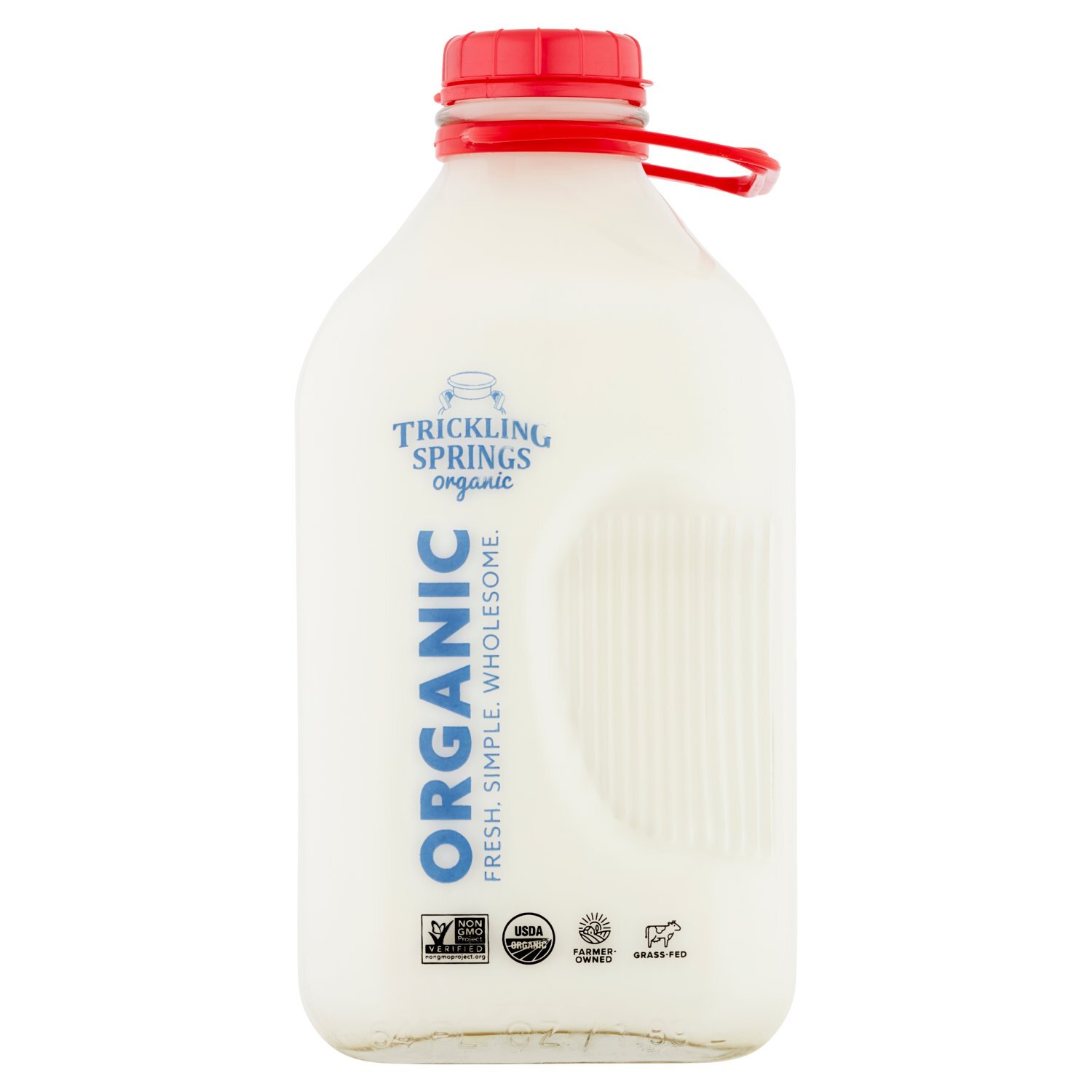
Whole Milk

At a glance
Summary
Whole milk is a minimally processed product with a simple ingredient list, consisting primarily of milk and added Vitamin D3. It provides high-quality protein and essential nutrients like calcium and vitamin B12. The low level of processing and absence of harmful additives contribute to its high rating. Its plastic packaging can shed microplastics into the food and lowers its score.
Key ingredients 2
MilkGood
Milk is a natural source of high-quality protein and essential nutrients like calcium and vitamin B12. It is minimally processed, retaining its nutritional profile. Compared to plant-based alternatives, milk provides a more complete amino acid profile.
Risks
Some individuals may be lactose intolerant or allergic to milk proteins, which can cause digestive discomfort or allergic reactions.
Benefits
Rich in calcium and vitamin D, which are crucial for bone health. Provides high-quality protein that supports muscle maintenance and growth.
Vitamin D3Neutral
Vitamin D3 is added to milk to enhance its nutritional value, supporting bone health by aiding calcium absorption. It is typically derived from lanolin or fish oil, and its addition is standard in fortified milk products. While beneficial, it is not naturally occurring in milk and thus considered an additive.
Benefits
Supports bone health by enhancing calcium absorption. Helps maintain proper immune function.
Processing
Unprocessed or Minimally Processed Foods
Get the full breakdown in the Scout appTake Scout shopping
Scan any product to see lab results, healthy alternatives, and your personalized analysis.
Are you Giant Eagle? Fix an error Get the badge Get tested