
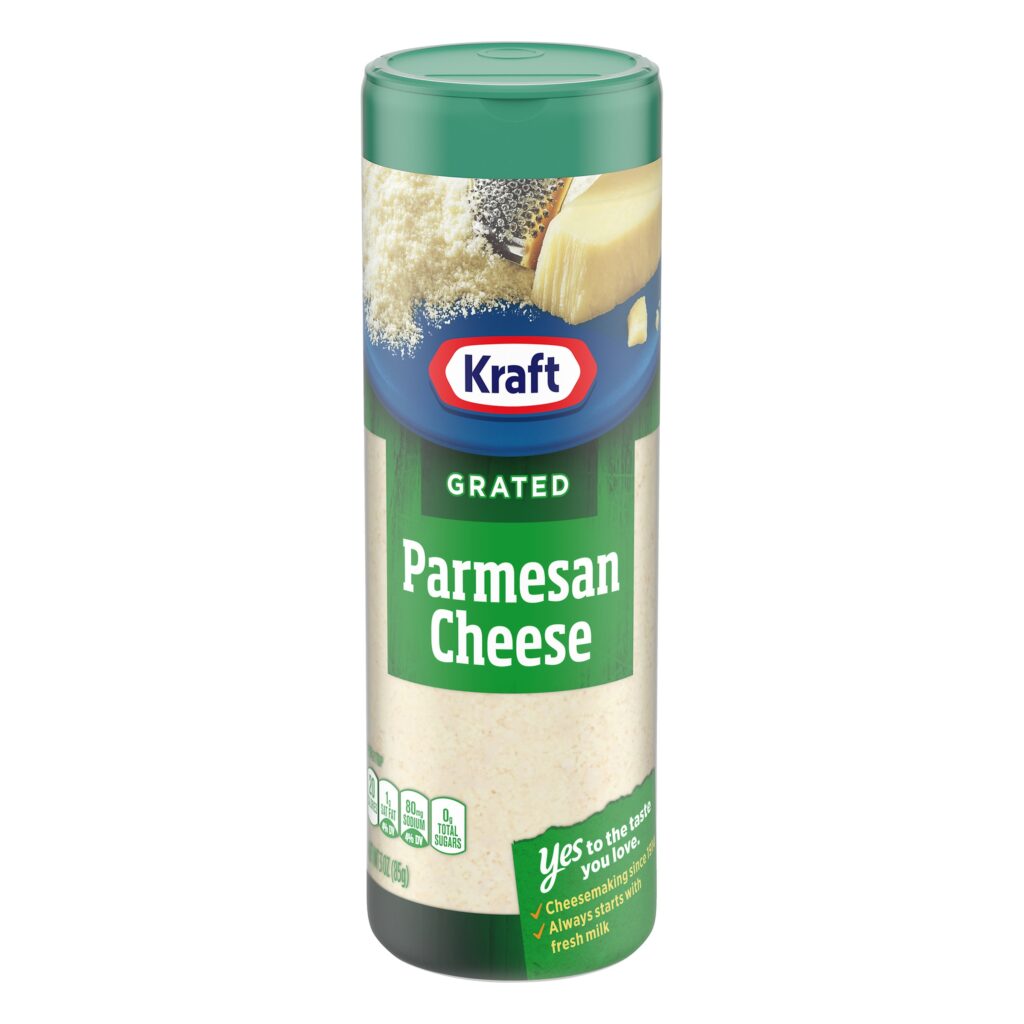
Belgioiosso Parmesan Romano

80 Good
$1.59 · 5 oz
View on Amazon
Verified Amazon match

Summary

This cheese product is made from cultured milk, providing a good source of protein and calcium. However, it includes cellulose and natamycin, which are additives used for anti-caking and preservation, respectively. While these additives are generally safe, they do not contribute to nutritional value and reflect a moderate level of processing.

At a glance

Beneficial ingredients 1
Harmful ingredients 2
Category Cheese

Key ingredients 5

Cultured milk
Good

Cultured milk is a primary ingredient in cheese, providing essential nutrients like calcium and protein. The fermentation process enhances digestibility and adds beneficial probiotics. It is a high-quality source of animal-based protein with a rich amino acid profile.

Benefits

Rich in calcium and protein, supporting bone health and muscle maintenance. Contains probiotics that may aid in digestion.

See more about Cultured milk →
Salt
Neutral

Salt is used in cheese making to enhance flavor and act as a preservative. It is a common ingredient in processed foods and provides sodium, an essential mineral. However, excessive consumption can lead to health issues such as hypertension.

Risks

High sodium intake can contribute to hypertension and cardiovascular disease if consumed in excess.

Benefits

Provides essential sodium necessary for various bodily functions, including nerve transmission and muscle contraction.

See more about Salt →
Enzymes
Neutral

Enzymes are used in cheese production to coagulate milk, forming curds and whey. They are essential for the cheese-making process but do not contribute significant nutritional value. Typically derived from animal or microbial sources, they are generally considered safe.

Benefits

Facilitates the cheese-making process by aiding in milk coagulation.

See more about Enzymes →
Cellulose
Bad

Cellulose is added to prevent caking in shredded cheese products. It is a plant-derived fiber that is generally safe but offers no nutritional benefits. Overuse in processed foods can be seen as a filler rather than a nutrient source.

Risks

Excessive consumption may lead to digestive discomfort in sensitive individuals.

See more about Cellulose →
Natamycin
Bad

Natamycin is a natural antifungal used to protect cheese from spoilage. While effective in preventing mold, it is an additive that some consumers prefer to avoid. Its use is generally recognized as safe, but it does not contribute to nutritional value.

Risks

Potential for allergic reactions in sensitive individuals, though rare.

Benefits

Helps extend the shelf life of cheese by preventing mold growth.

Processing

Group 3 · Processed

Processed Foods

Get the full breakdown in the Scout app

Scan any product to see lab results, healthy alternatives, and your personalized analysis.

Download on theApp Store