
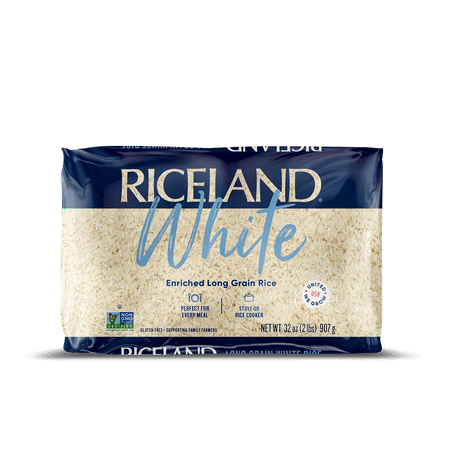


Riceland EXTRA LONG GRAIN ENRICHED RICE
Analysis updated August 2026 · How Scout scores
At a glance
Summary
This product consists primarily of extra long grain rice, which is a minimally processed whole food. The addition of vitamins and minerals like iron, niacin, thiamine, and folic acid enhances its nutritional profile. As a simple grain product with no harmful additives, it maintains a high level of healthfulness.
Key ingredients 5
NiacinGood
Beneficial ingredient — whole-food or functional value in this product class.
See more about Niacin →Extra Long Grain Enriched RiceNeutral
This rice is enriched to improve its nutritional content, providing energy and essential nutrients without added harmful substances.
Iron PhosphateNeutral
Iron phosphate is added as a source of iron to help support healthy blood and energy levels, with no negative connotations.
See more about Iron Phosphate →Thiamine MononitrateNeutral
Thiamine mononitrate is added to support energy production and nervous system health, contributing positively to the product’s nutritional profile.
See more about Thiamine Mononitrate →Folic AcidNeutral
Folic acid is included to support cell growth and development, especially important during pregnancy and for overall health.
See more about Folic Acid →Processing
Unprocessed or Minimally Processed Foods
Get the full breakdown in the Scout appTake Scout shopping
Scan any product to see lab results, healthy alternatives, and your personalized analysis.
Download on theApp Store GET IT ONGoogle PlayAmazon pricing & content
Amazon price as of . Product prices and availability are accurate as of the date/time indicated and are subject to change. Any price and availability information displayed on Amazon.com at the time of purchase will apply to the purchase of this product.
CERTAIN CONTENT THAT APPEARS ON THIS SITE COMES FROM AMAZON. THIS CONTENT IS PROVIDED “AS IS” AND IS SUBJECT TO CHANGE OR REMOVAL AT ANY TIME.