
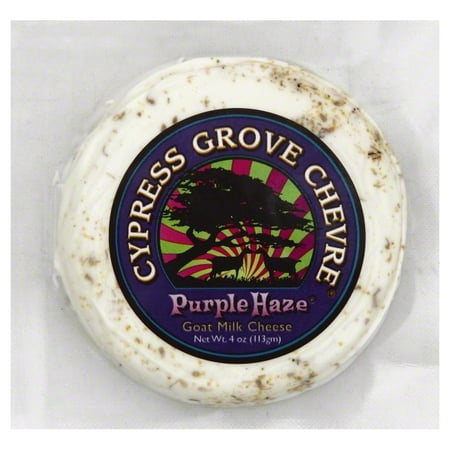


FRESH GOAT MILK CHEESE WITH LAVENDER AND FENNEL POLLEN
Analysis updated August 2026 · How Scout scores
At a glance
Summary
This cheese is made from pasteurized goat milk, salt, fennel pollen, lavender, cultures, and enzymes, which are all high-quality ingredients. The use of fennel pollen and lavender adds unique flavors without introducing any artificial additives or preservatives. Despite being processed, the clean ingredient list and absence of harmful substances allow it to score well within its category.
Key ingredients 5
Pasteurized goat milkGood
Pasteurized goat milk is a high-quality source of protein and essential nutrients. It is easier to digest than cow's milk for some individuals due to its different protein structure. The pasteurization process ensures safety by eliminating harmful bacteria.
Risks
Some individuals may be allergic to goat milk proteins.
Benefits
Rich in calcium, vitamin D, and other essential nutrients that support bone health and overall nutrition.
Fennel pollenGood
Fennel pollen is a flavorful spice that adds a unique taste to foods. It is known for its aromatic properties and potential digestive benefits. The use of fennel pollen in cheese can enhance flavor complexity.
Benefits
Contains antioxidants and may aid in digestion and reduce bloating.
SaltNeutral
Salt is used as a preservative and flavor enhancer in cheese. It is a common ingredient in cheese production to control moisture and texture. While necessary in moderation, excessive salt intake can lead to health issues.
Risks
High sodium intake can contribute to hypertension and cardiovascular issues.
Benefits
Essential for maintaining fluid balance and nerve function when consumed in moderation.
LavenderNeutral
Lavender is used for its aromatic properties and can add a floral note to foods. It is generally safe in culinary amounts but should be used sparingly due to its strong flavor. Lavender in cheese can provide a unique sensory experience.
Risks
Excessive consumption may lead to digestive discomfort.
Benefits
May have calming effects and contribute to a unique flavor profile.
Cultures and enzymesNeutral
Cultures and enzymes are essential for cheese production, aiding in fermentation and texture development. They are natural components that help convert milk into cheese. The use of cultures and enzymes is standard in traditional cheesemaking.
Benefits
Facilitate the fermentation process, contributing to the development of flavor and texture in cheese.
Processing
Processed Foods
Get the full breakdown in the Scout appTake Scout shopping
Scan any product to see lab results, healthy alternatives, and your personalized analysis.
Download on theApp Store GET IT ONGoogle Play