


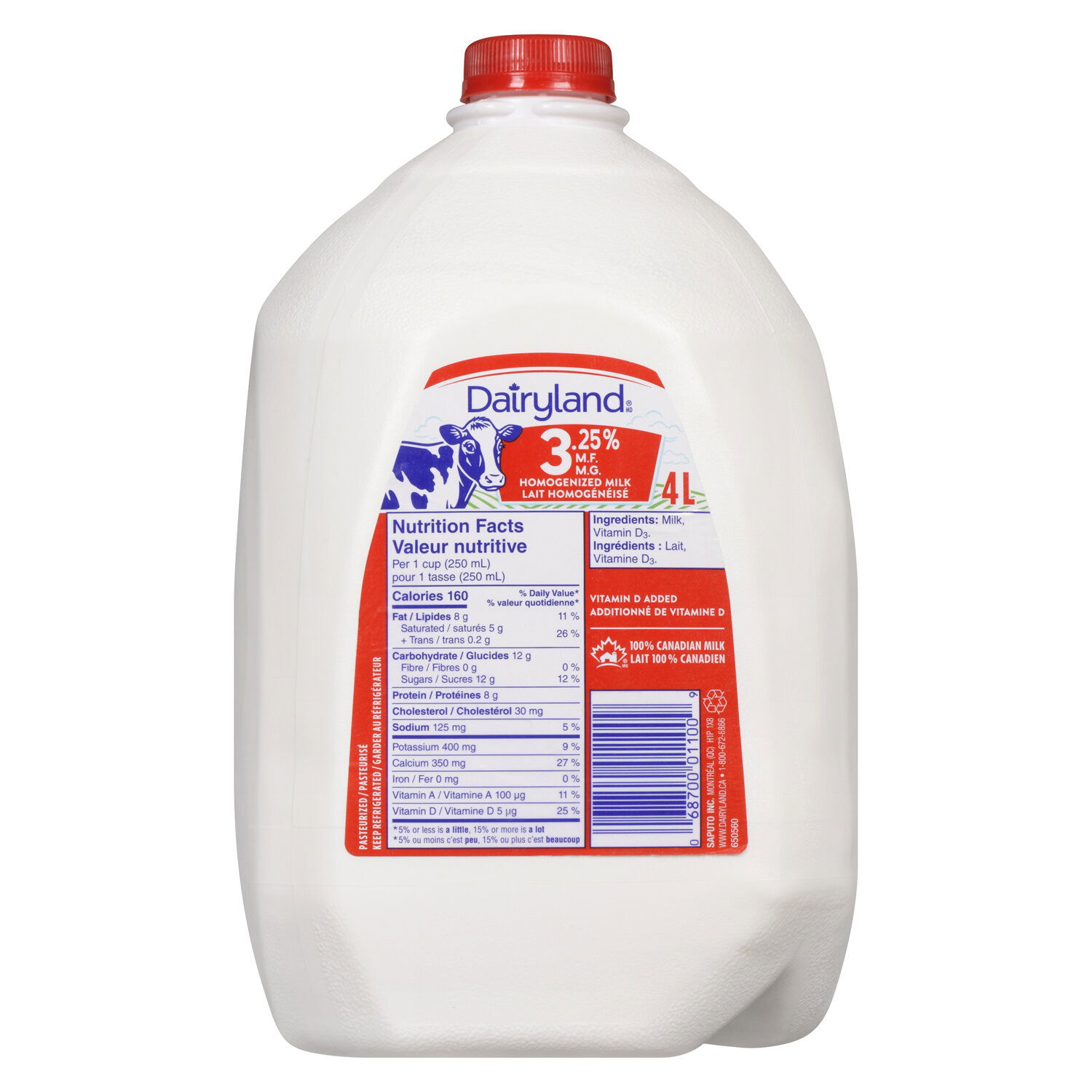
At a glance
Summary
This creamer is primarily composed of milk and cream, which are minimally processed and provide beneficial nutrients like calcium and healthy fats. The product contains a small amount of additives such as sodium citrate and disodium phosphate, which are used for stabilization but are not considered harmful in these quantities. Despite being processed, the clean ingredient list and absence of artificial additives contribute positively to its rating.
Key ingredients 4
MilkGood
Milk is a natural source of calcium and protein, essential for bone health and muscle maintenance. It is minimally processed, retaining most of its natural nutrients. Compared to plant-based alternatives, it provides a complete amino acid profile.
Risks
Potential risks include lactose intolerance in some individuals, which can cause digestive discomfort.
Benefits
Rich in calcium and vitamin D, supporting bone health. Provides high-quality protein necessary for muscle repair and growth.
CreamGood
Cream is a source of healthy fats and fat-soluble vitamins, contributing to satiety and nutrient absorption. It is derived from milk with minimal processing. Compared to non-dairy creamers, it lacks artificial additives.
Risks
High in saturated fats, which may contribute to heart disease if consumed in excess.
Benefits
Contains fat-soluble vitamins like A and D, which are important for immune function and bone health. Provides a rich texture and flavor to foods.
Sodium CitrateNeutral
Sodium citrate is used as an emulsifier and acidity regulator in food products. It is generally recognized as safe and used in small quantities. It helps maintain the stability and texture of dairy products.
Benefits
Helps maintain the texture and stability of dairy products, ensuring a smooth consistency.
Disodium PhosphateNeutral
Disodium phosphate is used as an emulsifier and stabilizer in food products. It is generally recognized as safe and used in small quantities. It helps prevent separation in dairy products.
Risks
Excessive consumption may lead to an imbalance in phosphate levels, but this is unlikely at typical consumption levels.
Benefits
Contributes to the smooth texture and stability of dairy products, preventing separation.
Processing
Processed Foods
Get the full breakdown in the Scout appTake Scout shopping
Scan any product to see lab results, healthy alternatives, and your personalized analysis.
Download on theApp Store GET IT ONGoogle Play