
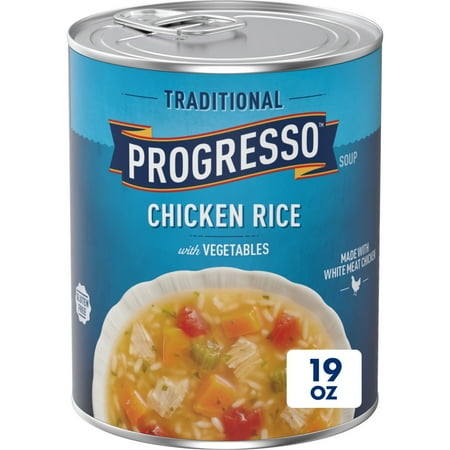



Progresso Traditional Chicken Rice with Vegetables Soup
Analysis updated May 2026 · How Scout scores
At a glance
Summary
This soup contains beneficial ingredients like chicken broth, carrots, and tomatoes, which provide essential nutrients. However, it is heavily processed, with ingredients such as hydrolyzed corn protein and soy protein isolate, which are highly processed and raise concerns about potential allergens. The presence of 'natural flavor' and the overall processing level limit its healthiness despite some nutritious components.
Key ingredients 13
Chicken brothGood
Chicken broth is a flavorful base that provides essential nutrients like collagen and amino acids. It is typically made by simmering chicken bones and meat, which can enhance the nutritional profile. The quality of the broth depends on the source of the chicken and the cooking process.
Benefits
Rich in collagen and amino acids that support joint health and digestion.
CarrotsGood
Carrots are a nutritious vegetable rich in beta-carotene, fiber, and antioxidants. They are typically consumed raw or cooked, retaining most of their nutrients. The vibrant color indicates a high level of beneficial compounds.
Benefits
High in beta-carotene, which is converted to vitamin A, supporting vision and immune health.
Cooked white chicken meatGood
Cooked white chicken meat is a lean protein source that provides essential amino acids. It is typically cooked by boiling or roasting, preserving its nutritional value. The quality of the meat depends on the chicken's diet and living conditions.
Benefits
Excellent source of lean protein, supporting muscle maintenance and repair.
CeleryGood
Celery is a low-calorie vegetable that provides fiber and essential vitamins. It is often consumed raw or cooked, maintaining its nutritional benefits. The high water content makes it hydrating and refreshing.
Benefits
Rich in fiber and vitamins, supporting digestive health and hydration.
PotatoesGood
Beneficial ingredient — whole-food or functional value in this product class.
Benefits
Provides carbohydrates for energy and contains some vitamins and minerals.
TomatoesGood
Tomatoes are a nutrient-dense fruit rich in vitamins C and K, and antioxidants like lycopene. They are often consumed raw or cooked, which can enhance the bioavailability of certain nutrients. The vibrant red color indicates a high level of beneficial compounds.
Benefits
High in antioxidants like lycopene, which may reduce the risk of chronic diseases.
Cooked riceNeutral
Cooked rice is a staple carbohydrate that provides energy. It is typically boiled in water, making it a simple and minimally processed ingredient. The nutritional value can vary based on the type of rice used.
Benefits
Provides a source of carbohydrates for energy.
Citric acidNeutral
Citric acid is a natural preservative and flavor enhancer found in citrus fruits. It is commonly used in food products to add acidity and preserve freshness. While generally safe, it can cause dental erosion if consumed in large amounts.
Risks
May contribute to dental erosion if consumed excessively.
Benefits
Acts as a natural preservative and enhances flavor.
Modified food starchBad
Chemically modified starch additive.
Benefits
Primarily used for texture and stability in food products.
Corn protein (hydrolyzed)Bad
Hydrolyzed corn protein is a processed ingredient used to enhance flavor. It is derived from corn and undergoes hydrolysis, which can produce free glutamates. The processing method raises concerns about potential allergens and additives.
Risks
May contain free glutamates, which can cause sensitivity in some individuals.
Benefits
Provides flavor enhancement in food products.
Soy protein isolateBad
Soy protein isolate is a highly processed form of soy protein used to boost protein content. It is extracted from soybeans and often used in processed foods. Concerns exist regarding its processing and potential hormonal effects.
Risks
May affect hormone levels due to phytoestrogens and is often genetically modified.
Benefits
Provides a plant-based protein source.
Sodium phosphateBad
Processed additive flagged under Scout's ingredient doctrine.
Risks
Excessive intake may impact kidney health.
Benefits
Helps maintain texture and moisture in food products.
Natural flavorBad
Natural flavor is a catch-all term for flavoring agents derived from natural sources. The lack of transparency in its composition raises concerns about potential allergens and additives. It is often used to enhance taste without providing nutritional benefits.
Risks
Potential allergens and additives may be present due to lack of transparency.
Benefits
Enhances flavor in food products.
Processing
Ultra-Processed Foods
Get the full breakdown in the Scout appTake Scout shopping
Scan any product to see lab results, healthy alternatives, and your personalized analysis.
Download on theApp Store GET IT ONGoogle PlayAmazon pricing & content
Amazon price as of . Product prices and availability are accurate as of the date/time indicated and are subject to change. Any price and availability information displayed on Amazon.com at the time of purchase will apply to the purchase of this product.
CERTAIN CONTENT THAT APPEARS ON THIS SITE COMES FROM AMAZON. THIS CONTENT IS PROVIDED “AS IS” AND IS SUBJECT TO CHANGE OR REMOVAL AT ANY TIME.