
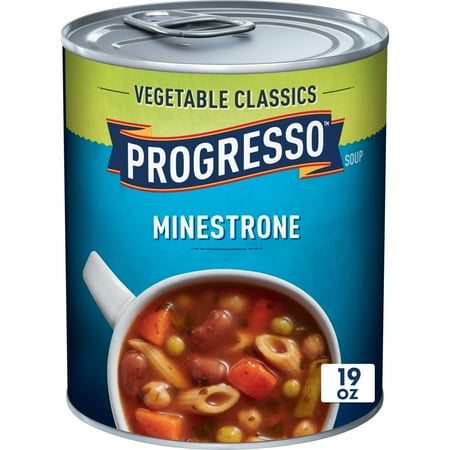


Progresso Vegetable Classics Minestrone Soup
Summary
This soup contains several beneficial ingredients such as tomato paste, carrots, and kidney beans, which provide essential nutrients and antioxidants. However, the presence of soybean oil, a highly processed seed oil, and the use of 'natural flavors' reduce its overall healthiness. Additionally, the product is classified as ultra-processed, which limits its score despite the presence of some nutritious components.
At a glance
Key ingredients 13
WaterNeutral
Water is a neutral ingredient used as a base for the soup. It provides no nutritional value but is essential for hydration. It acts as a solvent for other ingredients.
See more about Water →Tomato pasteGood
Tomato paste is rich in lycopene, an antioxidant that may reduce the risk of chronic diseases. It is concentrated, enhancing flavor and nutritional density. The paste is made by cooking tomatoes, which increases lycopene bioavailability.
Benefits
Rich in antioxidants like lycopene, which may support heart health and reduce inflammation.
CarrotsGood
Carrots are a good source of beta-carotene, fiber, and vitamins. They contribute to eye health and immune function. The natural sugars in carrots provide a slight sweetness to the soup.
Benefits
High in beta-carotene, which is converted to vitamin A, supporting vision and immune health.
CeleryGood
Celery is low in calories and provides dietary fiber and vitamins. It adds a crunchy texture and subtle flavor to the soup. Celery contains antioxidants that may reduce inflammation.
Benefits
Contains antioxidants and fiber, which support digestive health and may reduce inflammation.
Light red kidney beansGood
Kidney beans are a rich source of protein, fiber, and essential nutrients. They support heart health and help maintain stable blood sugar levels. The beans are cooked to improve digestibility and nutrient absorption.
Benefits
High in protein and fiber, supporting heart health and blood sugar regulation.
PotatoesNeutral
Potatoes provide carbohydrates and some vitamins and minerals. They add texture and bulk to the soup. The nutritional value depends on the preparation method.
Benefits
Provides carbohydrates for energy and some vitamins and minerals.
Green beansGood
Green beans are low in calories and high in vitamins and minerals. They provide fiber and antioxidants, supporting overall health. The beans are typically blanched to retain nutrients.
Benefits
Rich in vitamins, minerals, and fiber, supporting digestive health and providing antioxidants.
PeasGood
Peas are a good source of plant-based protein and fiber. They support digestive health and provide essential vitamins and minerals. The drying process preserves their nutritional content.
Benefits
High in protein and fiber, supporting digestive health and providing essential nutrients.
Penne rigate pastaNeutral
Pasta provides carbohydrates and some protein, contributing to energy levels. It is made from semolina wheat and wheat flour, which are common ingredients in pasta. The inclusion of egg whites adds a small amount of protein.
Risks
Contains gluten, which may be a concern for individuals with celiac disease or gluten sensitivity.
Benefits
Provides carbohydrates for energy and a small amount of protein.
SpinachGood
Spinach is rich in vitamins, minerals, and antioxidants. It supports immune function and bone health. The drying process helps retain its nutritional value.
Benefits
High in vitamins and antioxidants, supporting immune function and bone health.
Soybean oilVery Bad
Soybean oil is a seed oil high in omega-6 fatty acids, which may promote inflammation. It is highly processed, often involving chemical extraction methods. The oil lacks significant nutritional benefits compared to healthier fats.
Risks
High omega-6 content may promote inflammation when consumed in excess.
SaltNeutral
Salt is used to enhance flavor and preserve the soup. It is a common seasoning but should be consumed in moderation. Excessive salt intake can lead to health issues.
Risks
Excessive consumption may lead to high blood pressure and cardiovascular issues.
Benefits
Enhances flavor and acts as a preservative.
Natural flavorBad
Natural flavors are often used to enhance taste but lack transparency in their composition. They can contain a variety of compounds, some of which may be synthetic. The term 'natural' does not guarantee health benefits.
Risks
Lack of transparency in composition may pose allergy risks or sensitivities.
Processing
Ultra-Processed Foods
Get the full breakdown in the Scout app
Scan any product to see lab results, healthy alternatives, and your personalized analysis.
Download on theApp Store