

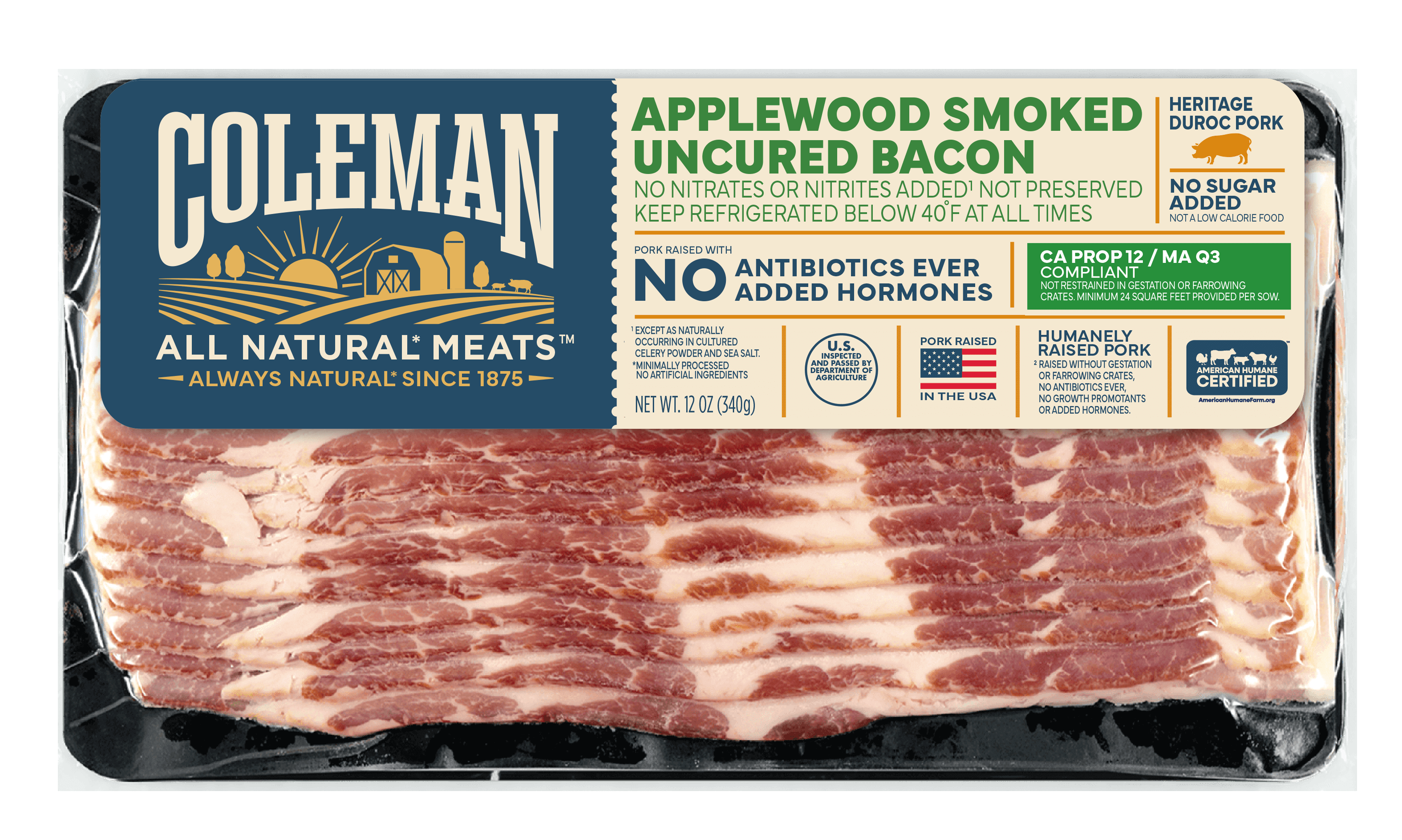


At a glance
Summary
This product is a processed food with a relatively clean ingredient list, featuring pork as a high-quality protein source and sea salt for flavor. However, the presence of cane sugar, a refined sugar, slightly detracts from its nutritional profile. The processing level limits its maximum potential score, but the absence of artificial additives and the use of natural ingredients are positive aspects.
Key ingredients 5
PorkGood
Pork is a high-quality source of protein and essential nutrients. It provides a rich amino acid profile beneficial for muscle maintenance and repair. The quality of pork can vary based on farming practices, with pasture-raised options being preferable.
Risks
Potential risks include high saturated fat content, which may impact heart health if consumed in excess.
Benefits
Rich in protein and essential vitamins such as B12, which supports energy metabolism and neurological function.
Sea SaltGood
Sea salt is a minimally processed source of sodium and trace minerals. It is often preferred over refined table salt due to its natural mineral content. The use of sea salt can enhance flavor without the need for artificial additives.
Risks
Excessive sodium intake can lead to hypertension and cardiovascular issues.
Benefits
Provides essential sodium and trace minerals that are important for fluid balance and nerve function.
WaterNeutral
Water is used as a processing aid and does not contribute nutritional value. It is commonly used to maintain moisture in processed meats. There are no health concerns associated with water as an ingredient.
See more about Water →Celery PowderNeutral
Celery powder is often used as a natural curing agent due to its nitrate content. It provides a natural alternative to synthetic nitrates in processed meats. The nitrates in celery powder can convert to nitrites, which help preserve the meat and enhance flavor.
Risks
Potential formation of nitrosamines, which are carcinogenic, when nitrates are exposed to high heat.
Benefits
Acts as a natural preservative and flavor enhancer in cured meats.
Cane SugarBad
Cane sugar is a refined sugar that can contribute to increased calorie intake without providing essential nutrients. Excessive consumption of refined sugars is linked to metabolic disorders such as obesity and diabetes. It is used in small amounts to balance flavors in processed meats.
Risks
High intake of refined sugars can lead to weight gain, insulin resistance, and increased risk of chronic diseases.
Processing
Processed Foods
Get the full breakdown in the Scout appTake Scout shopping
Scan any product to see lab results, healthy alternatives, and your personalized analysis.
Download on theApp Store GET IT ONGoogle Play