
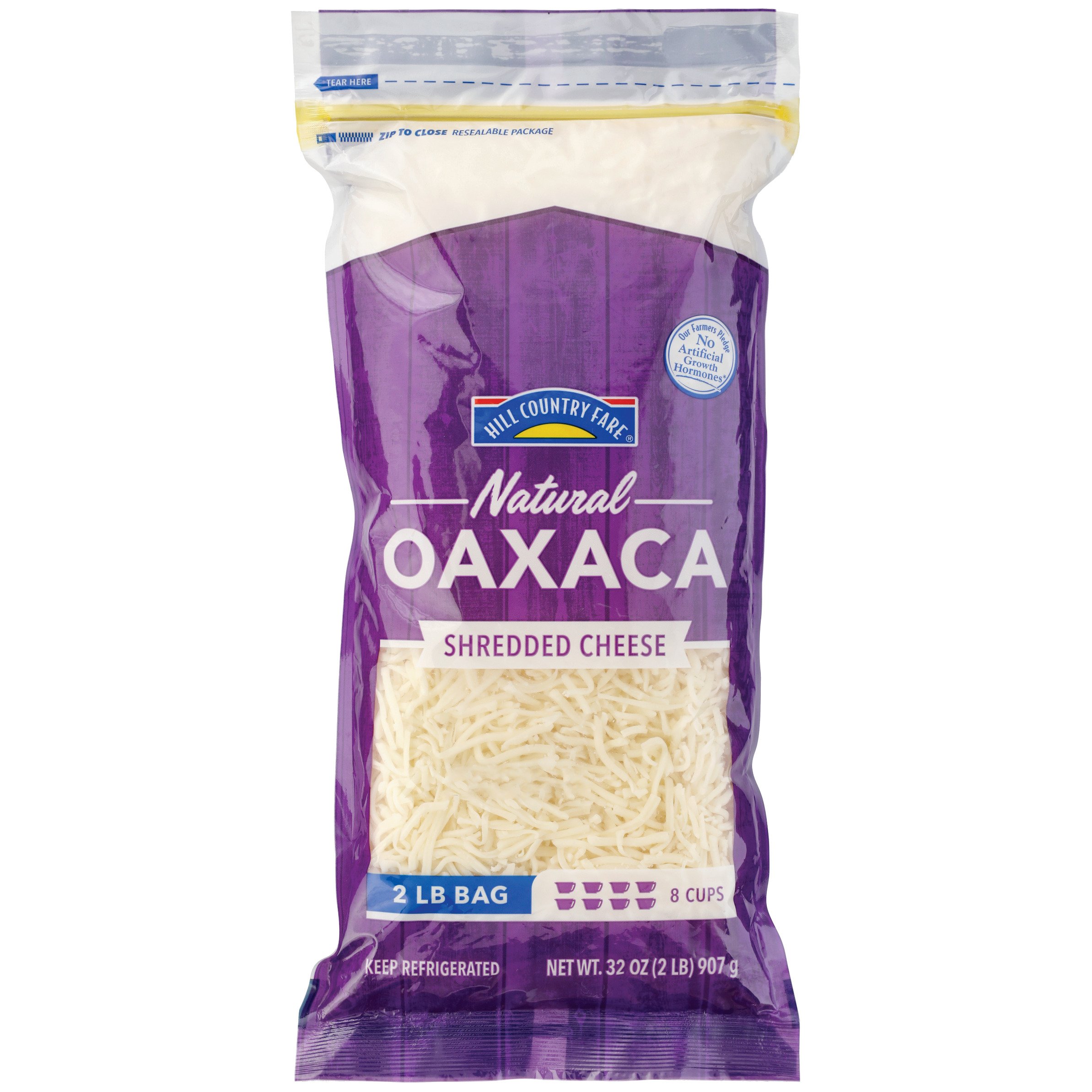


Oaxaca Natural Shredded Cheese
Analysis updated August 2026 · How Scout scores
At a glance
Summary
This shredded cheese product is made from Oaxaca cheese, which is a traditional cheese providing calcium and protein. However, it includes an anticaking blend with natamycin, a mold inhibitor, which adds to its processing level. While natamycin is a natural antifungal, its presence as an additive prevents the product from being considered minimally processed.
Key ingredients 5
Oaxaca cheeseGood
Oaxaca cheese is a traditional cheese made from cultured pasteurized milk, providing a good source of calcium and protein. The use of microbial enzymes is a standard practice in cheese production, ensuring the cheese is suitable for vegetarians. The cheese is minimally processed, retaining its nutritional benefits.
Risks
Potential risks include lactose intolerance for sensitive individuals.
Benefits
Rich in calcium and protein, supporting bone health and muscle maintenance.
SaltNeutral
Salt is used in cheese for flavor and preservation. It is a common ingredient in cheese production, providing essential sodium. However, excessive consumption of sodium can lead to health issues.
Risks
High sodium intake can contribute to hypertension and cardiovascular issues.
Benefits
Provides essential sodium necessary for various bodily functions.
Potato starchNeutral
Potato starch is used as an anticaking agent to prevent clumping in shredded cheese. It is a natural carbohydrate derived from potatoes. It does not significantly impact the nutritional profile of the cheese.
Benefits
Helps maintain the texture and usability of shredded cheese.
Tapioca starchNeutral
Tapioca starch is another anticaking agent used to keep shredded cheese from clumping. It is derived from the cassava root and is a natural carbohydrate. It is generally considered safe and does not alter the nutritional content of the cheese.
Benefits
Ensures the cheese remains free-flowing and easy to use.
NatamycinBad
Natamycin is a mold inhibitor used to extend the shelf life of cheese. It is a natural antifungal agent but is considered an additive. While it is effective in preventing spoilage, its use as a preservative is not necessary in traditional cheese-making.
Risks
May cause allergic reactions in sensitive individuals and contributes to the processed nature of the product.
Benefits
Prevents mold growth, extending the shelf life of the cheese.
Processing
Processed Foods
Get the full breakdown in the Scout appTake Scout shopping
Scan any product to see lab results, healthy alternatives, and your personalized analysis.
Download on theApp Store GET IT ONGoogle Play