
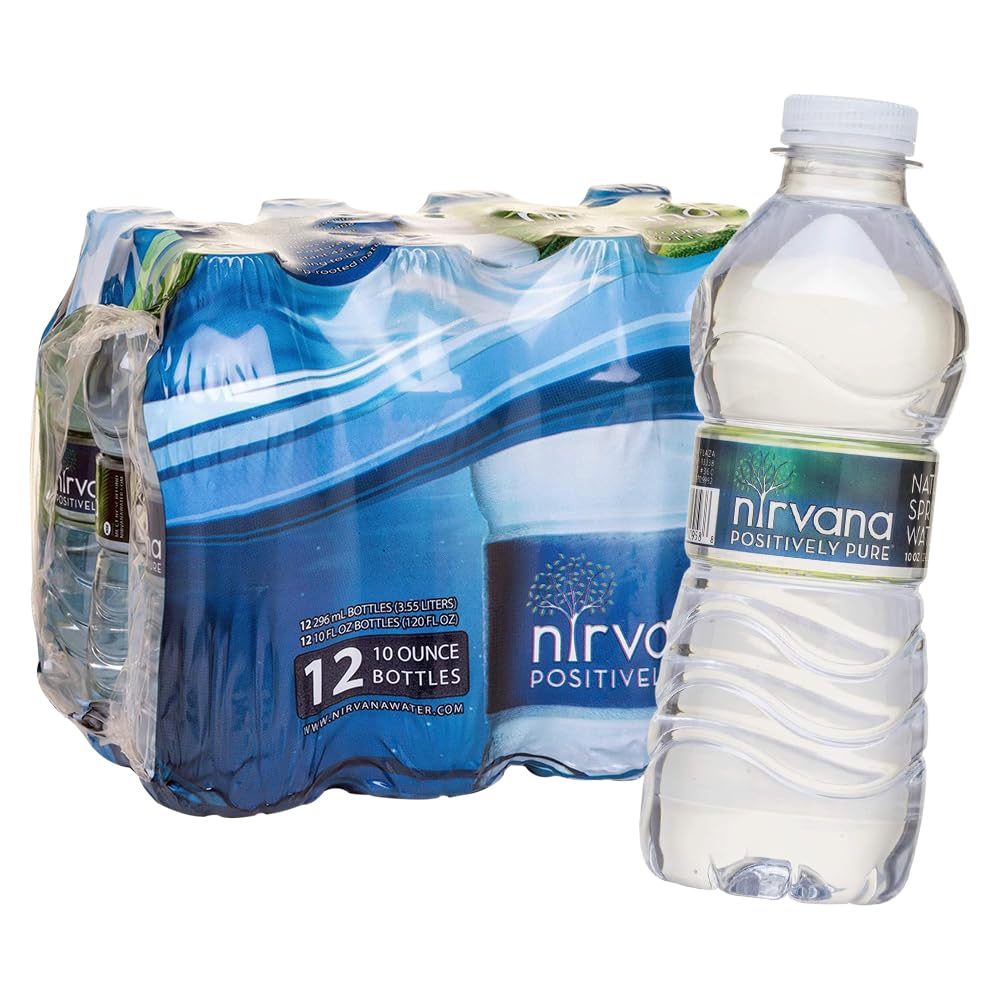
Drinking Water

90 Excellent
$3.96 · 12 pack · 16.9 fl oz
View on Amazon
Verified Amazon match

Summary

This drinking water is minimally processed and contains essential minerals like potassium, calcium, and magnesium, which contribute to overall health. However, the presence of contaminants such as arsenic and lead, even in trace amounts, necessitates strict regulation to ensure safety. The beneficial aspects of hydration and mineral content are slightly offset by the need for careful monitoring of these harmful elements.

At a glance

Beneficial ingredients 5
Harmful ingredients 3
Category Beverages

Key ingredients 14

H2o
Very Good

H2O is essential for life, providing hydration and supporting various bodily functions. It is a clean, unprocessed ingredient with no additives or contaminants. As the primary component of drinking water, it is crucial for maintaining health and well-being.

Benefits

Vital for hydration, temperature regulation, and nutrient transport in the body.

Sodium
Neutral

Sodium is an essential mineral that helps regulate fluid balance and nerve function. In drinking water, it is typically present in small amounts, which are generally safe for consumption. Excessive sodium intake can lead to health issues, but the levels in water are usually not a concern.

Risks

High sodium intake can lead to hypertension and cardiovascular issues.

Benefits

Supports nerve function and fluid balance in the body.

See more about Sodium →
Potassium
Good

Potassium is a vital mineral that supports heart and muscle function. In drinking water, it contributes to electrolyte balance and overall health. Its presence in water can help meet daily nutritional needs without excessive intake.

Risks

Excessive potassium can cause hyperkalemia, but this is rare from water consumption.

Benefits

Essential for maintaining heart health and muscle function.

See more about Potassium →
Calcium
Good

Calcium is crucial for bone health and plays a role in muscle function and nerve signaling. In drinking water, it can contribute to daily calcium intake, supporting bone density and strength. The levels in water are generally beneficial without posing health risks.

Benefits

Supports bone health and muscle function.

See more about Calcium →
Magnesium
Good

Magnesium is an essential mineral involved in over 300 biochemical reactions in the body. It supports muscle and nerve function, blood glucose control, and bone health. Drinking water can be a source of magnesium, contributing to overall health.

Benefits

Supports muscle and nerve function, and bone health.

See more about Magnesium →
Iron
Neutral

Iron is a crucial component of hemoglobin, necessary for oxygen transport in the blood. In drinking water, it is typically present in trace amounts, which are generally safe. Excessive iron can cause health issues, but water levels are usually not a concern.

Risks

Excessive iron can lead to toxicity, but this is rare from water consumption.

Benefits

Essential for oxygen transport and energy production.

See more about Iron →
Copper
Neutral

Copper is an essential trace mineral important for iron metabolism and neurological function. In drinking water, it is usually present in safe amounts. While necessary for health, excessive copper can be harmful, but typical water levels are not a concern.

Risks

High levels can cause gastrointestinal distress and liver damage.

Benefits

Supports iron metabolism and neurological function.

See more about Copper →
Manganese
Neutral

Manganese is a trace mineral important for bone formation and enzyme function. In drinking water, it is generally present in small, safe amounts. While necessary for health, excessive manganese can be harmful, but typical water levels are not a concern.

Risks

High levels can affect neurological health.

Benefits

Supports bone formation and enzyme function.

See more about Manganese →
Phosphorus
Neutral

Phosphorus is essential for bone health and energy production. In drinking water, it is typically present in trace amounts, contributing to overall nutrient intake. Excessive phosphorus can lead to health issues, but water levels are usually not a concern.

Risks

Excessive intake can affect bone health and kidney function.

Benefits

Supports bone health and energy production.

See more about Phosphorus →
Zinc
Neutral

Zinc is an essential mineral important for immune function and wound healing. In drinking water, it is usually present in trace amounts, which are generally safe. While necessary for health, excessive zinc can be harmful, but typical water levels are not a concern.

Risks

High levels can cause nausea and impair immune function.

Benefits

Supports immune function and wound healing.

See more about Zinc →
Fluoride
Good

Fluoride is added to water to prevent dental cavities and strengthen tooth enamel. It is effective in reducing tooth decay and is considered safe at recommended levels. Excessive fluoride can cause dental fluorosis, but regulated water levels are beneficial.

Risks

Excessive fluoride can lead to dental fluorosis.

Benefits

Prevents dental cavities and strengthens tooth enamel.

See more about Fluoride →
Arsenic
Very Bad

Arsenic is a toxic element that poses significant health risks, including cancer and cardiovascular disease. It is a contaminant that should be minimized in drinking water. Even trace amounts can be harmful over time, necessitating strict regulation.

Risks

Linked to cancer, cardiovascular disease, and other serious health issues.

See more about Arsenic →
Lead
Very Bad

Lead is a toxic metal that can cause severe health problems, particularly in children. It is a contaminant that should be absent from drinking water. Even low levels of lead exposure can be harmful, affecting neurological development and function.

Risks

Causes neurological damage and developmental issues, especially in children.

See more about Lead →
Chlorine
Bad

Chlorine is used to disinfect water, killing harmful bacteria and pathogens. While effective for sanitation, it can react with organic matter to form harmful byproducts. These byproducts can pose health risks, necessitating careful regulation of chlorine levels.

Risks

Can form harmful byproducts that pose health risks.

Benefits

Effective in disinfecting water and preventing waterborne diseases.

See more about Chlorine →

Processing

Group 1 · Minimally processed

Unprocessed or Minimally Processed Foods

Get the full breakdown in the Scout app

Scan any product to see lab results, healthy alternatives, and your personalized analysis.

Download on theApp Store