
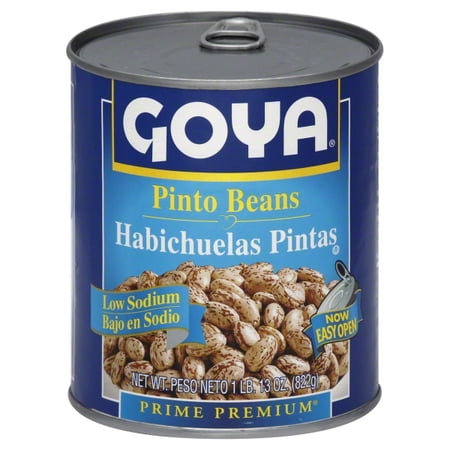

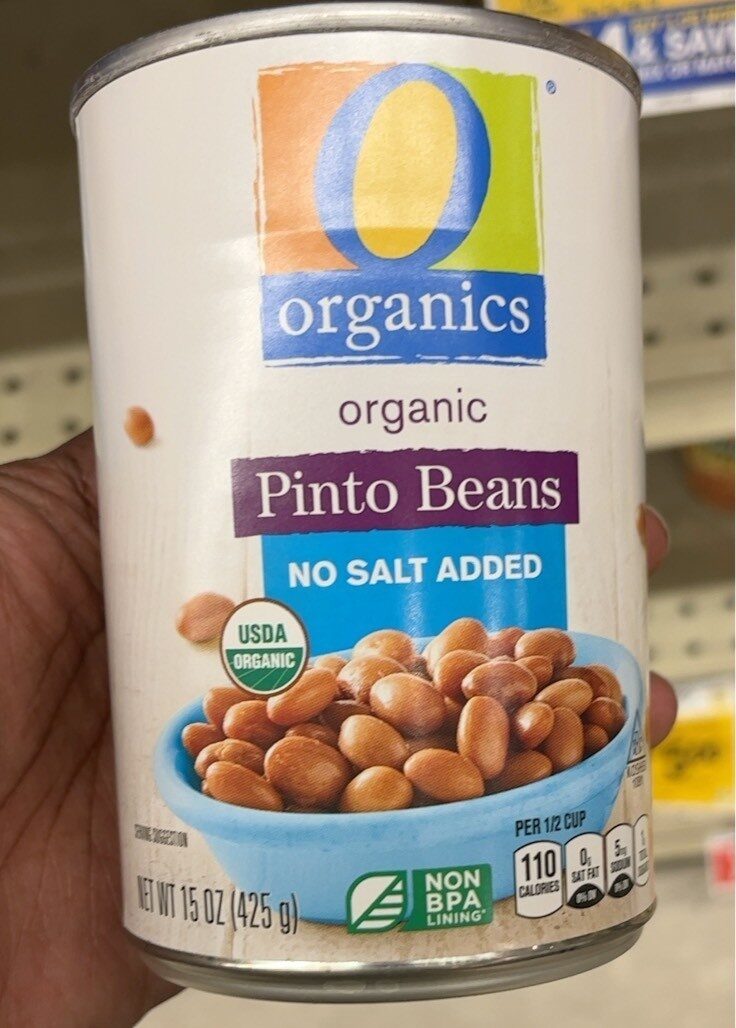
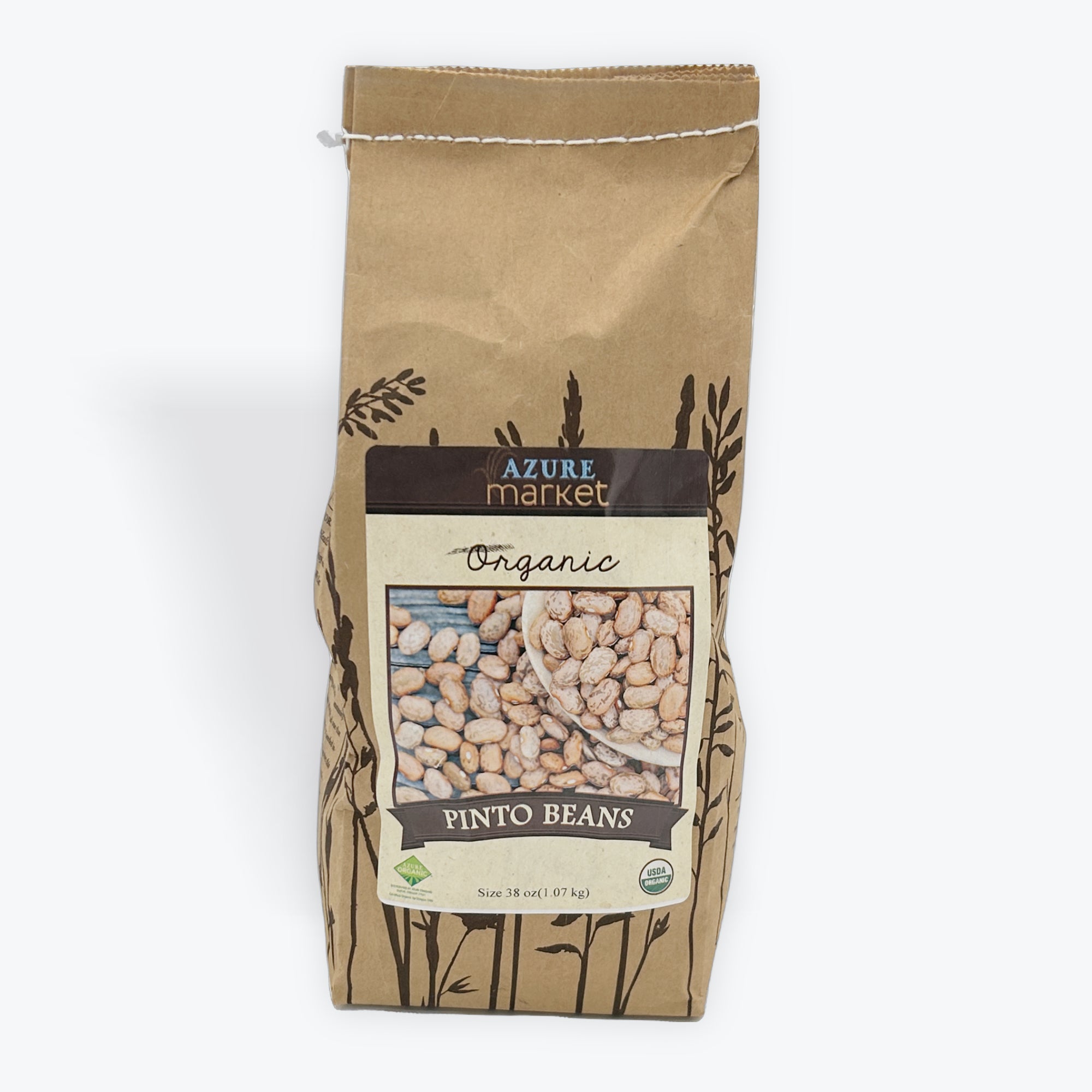

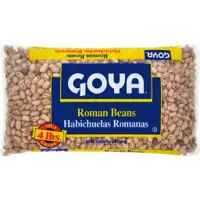

Goya Prime Premium Pinto Beans, 29 oz
GoyaAnalysis updated April 2026 · How Scout scores
At a glance
Summary
This product contains pinto beans, which are nutrient-dense and provide a good source of protein and fiber. However, the inclusion of calcium disodium EDTA, a synthetic additive, and the fact that it is a processed food, slightly detracts from its overall healthiness. The ingredient list is relatively short and free from major harmful substances, but the processing level limits its score potential.
Key ingredients 6
Pinto beansVery Good
Pinto beans are a nutrient-dense legume rich in protein and fiber, supporting digestive health and providing sustained energy. They are minimally processed and retain their natural nutrients, making them a healthy choice. Compared to other legumes, they offer a balanced profile of essential amino acids and micronutrients.
Benefits
Rich in protein and fiber, pinto beans support digestive health and provide essential nutrients like iron and magnesium.
WaterNeutral
Water is used as a solvent and carrier in canned foods, ensuring the beans remain hydrated and palatable. It is a neutral ingredient with no nutritional value or health risks. Its presence is essential for maintaining the texture and quality of the beans during storage.
See more about Water →Potassium chlorideNeutral
Potassium chloride is used as a salt substitute to enhance flavor while providing potassium, an essential mineral. It is generally recognized as safe when used in moderation. Compared to sodium chloride, it can help reduce sodium intake while maintaining flavor.
Risks
Excessive consumption may lead to hyperkalemia, especially in individuals with kidney issues.
Benefits
Provides potassium, which is important for maintaining normal blood pressure and heart function.
SaltNeutral
Salt is used to enhance flavor and preserve the beans, ensuring a longer shelf life. It is a common additive in processed foods but should be consumed in moderation. Compared to other preservatives, salt is a natural option but can contribute to high sodium intake.
Risks
Excessive sodium intake can lead to hypertension and cardiovascular issues.
Benefits
Enhances flavor and acts as a preservative, extending the product's shelf life.
Calcium chlorideNeutral
Calcium chloride is used as a firming agent to maintain the texture of canned beans. It is generally recognized as safe and does not significantly alter the nutritional profile of the product. Compared to other firming agents, it is effective and widely accepted in food processing.
Benefits
Helps maintain the firmness and texture of the beans, ensuring a desirable mouthfeel.
Calcium disodium EDTABad
Calcium disodium EDTA is used to promote color retention and prevent oxidation in canned foods. It is a synthetic additive that can bind to metals, reducing their availability in the body. Compared to natural preservatives, it is more processed and may pose health concerns with excessive consumption.
Risks
May cause gastrointestinal discomfort and reduce the absorption of essential minerals when consumed in large amounts.
Benefits
Helps maintain the color and appearance of the beans during storage.
Processing
Processed Foods
Get the full breakdown in the Scout appTake Scout shopping
Scan any product to see lab results, healthy alternatives, and your personalized analysis.
Download on theApp Store GET IT ONGoogle PlayAmazon pricing & content
Amazon price as of . Product prices and availability are accurate as of the date/time indicated and are subject to change. Any price and availability information displayed on Amazon.com at the time of purchase will apply to the purchase of this product.
CERTAIN CONTENT THAT APPEARS ON THIS SITE COMES FROM AMAZON. THIS CONTENT IS PROVIDED “AS IS” AND IS SUBJECT TO CHANGE OR REMOVAL AT ANY TIME.