


At a glance
Summary
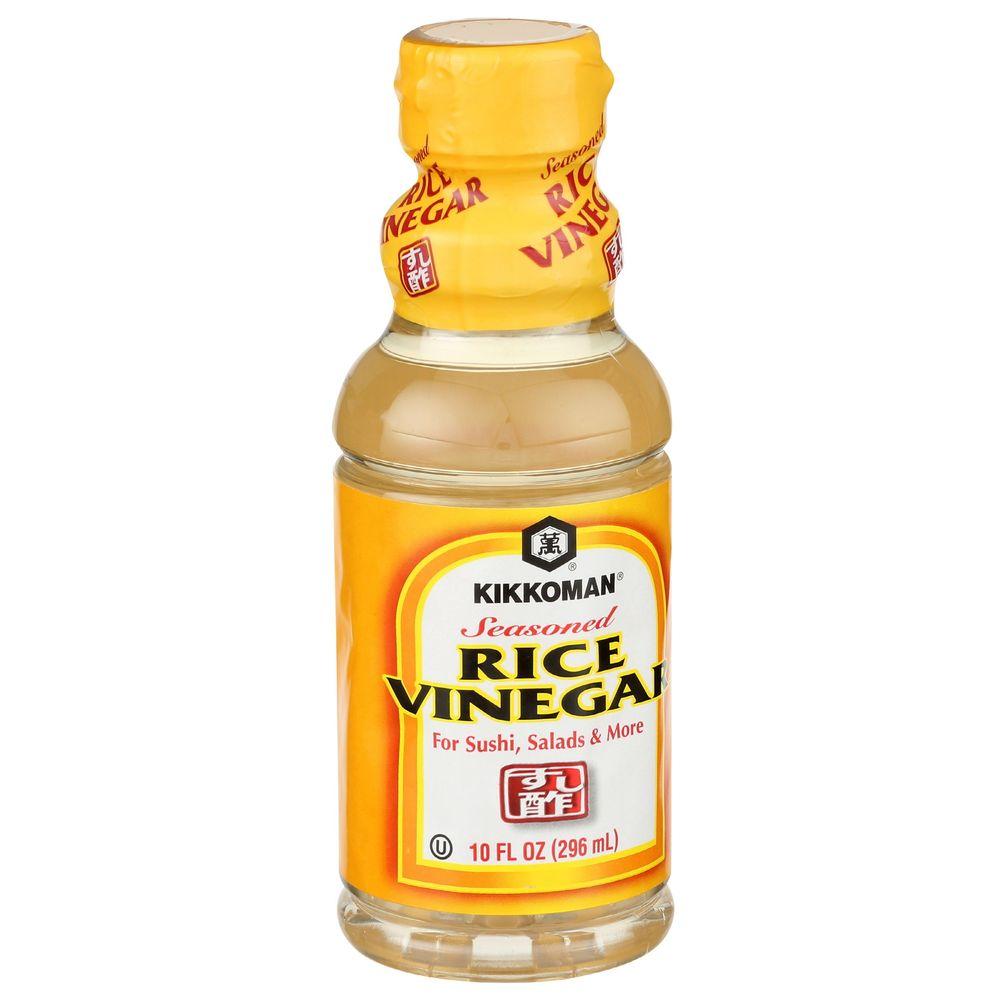
This seasoned rice vinegar is a processed product with added sugar, which increases its caloric content and can contribute to metabolic issues if consumed in excess. While the ingredient list is relatively short, the presence of refined sugar and the processing level limit its health score. The product's simplicity and lack of artificial additives are positive aspects, but the added sugar remains a concern.
Key ingredients 5
Rice vinegarNeutral
Rice vinegar is a fermented product that adds acidity and flavor to dishes. It is typically low in calories and contains no significant nutrients. The fermentation process can provide some probiotic benefits, but these are minimal in vinegar.
Benefits
May aid in digestion and enhance the flavor profile of foods.
WaterNeutral
Water is used as a solvent and diluent in many food products. It is essential for maintaining the desired acidity and consistency in the vinegar. Water itself does not contribute any calories or nutrients.
Benefits
Essential for hydration and maintaining the desired consistency of the product.
SaltNeutral
Salt is used to enhance flavor and preserve food. It is a common ingredient in condiments and processed foods. While necessary for bodily functions, excessive intake can lead to health issues.
Risks
High sodium intake is associated with increased blood pressure and cardiovascular risk.
Benefits
Enhances flavor and acts as a preservative in food products.
Diluted with water to 4.1% acidity (41 grain)Neutral
This indicates the vinegar's acidity level, which is standard for culinary use. The dilution ensures the vinegar is not too harsh for consumption. Acidity is crucial for the preservation and flavor profile of the vinegar.
Benefits
Provides the characteristic tangy flavor and acts as a natural preservative.
SugarBad
Refined sugar is a high-calorie ingredient with no essential nutrients. It can contribute to weight gain and metabolic issues when consumed in excess. The presence of sugar in vinegar increases its caloric content and may affect blood sugar levels.
Risks
Excessive consumption can lead to obesity, insulin resistance, and dental cavities.
Benefits
Provides sweetness and balances the acidity of the vinegar, enhancing its flavor.
Processing
Processed Foods
Get the full breakdown in the Scout appTake Scout shopping
Scan any product to see lab results, healthy alternatives, and your personalized analysis.
Download on theApp Store GET IT ONGoogle Play