
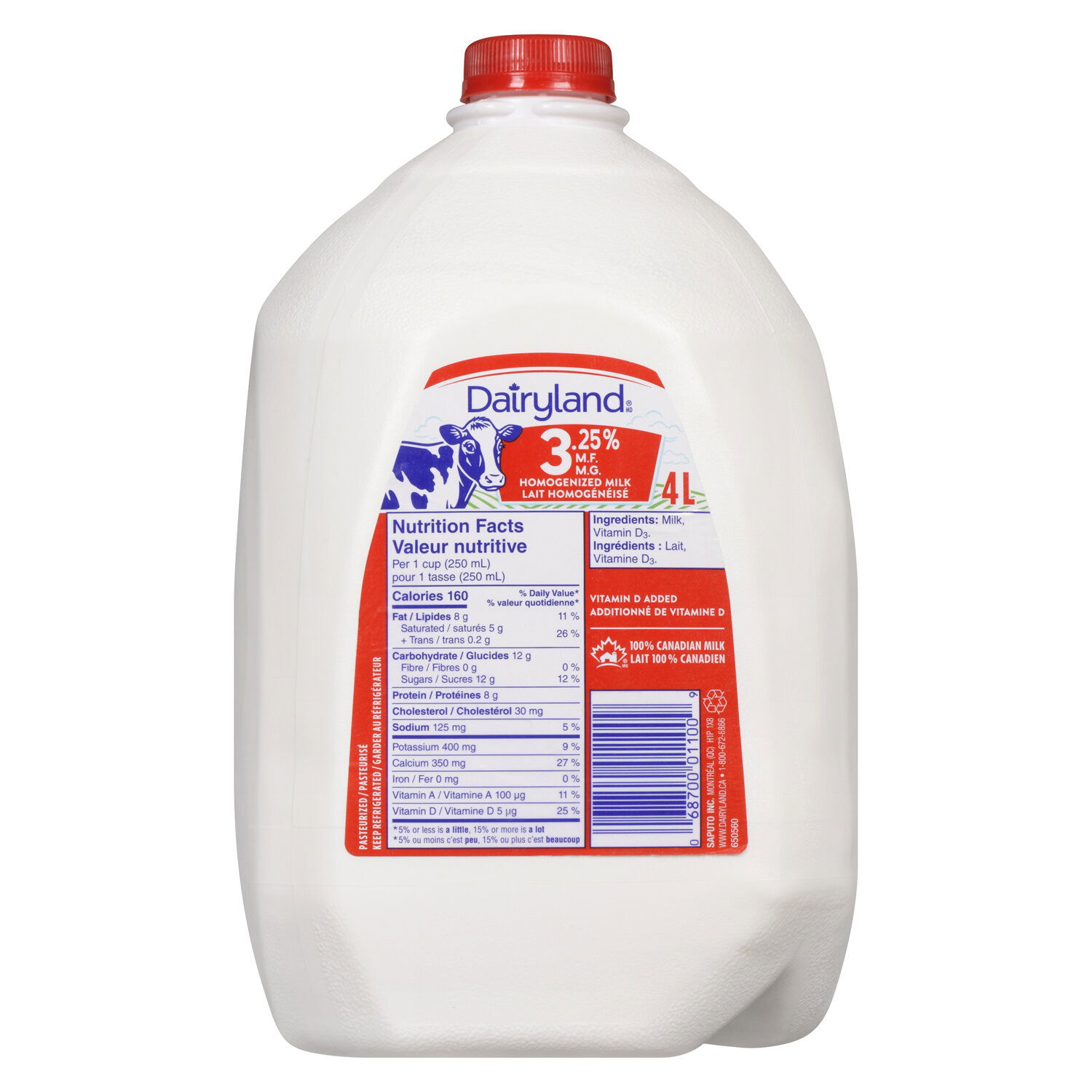

Lactose Free Reduced Fat Milk
Summary
This lactose-free reduced fat milk is made from organic grade A milk, which is a high-quality source of protein and essential nutrients. The addition of lactase enzyme makes it suitable for lactose-intolerant individuals without altering its nutritional value. Despite being processed, the product maintains a clean ingredient list with added vitamins A and D3, enhancing its nutritional profile.
At a glance
Key ingredients 4
Organic grade a reduced fat milkGood
Organic grade A reduced fat milk is a high-quality source of protein and essential nutrients. Being organic, it is free from synthetic pesticides and hormones, which enhances its nutritional profile. The reduction in fat content makes it suitable for those seeking lower calorie dairy options.
Benefits
Provides essential nutrients such as calcium and vitamin D, supporting bone health. The organic certification ensures a cleaner product with fewer contaminants.
Lactase enzymeGood
Lactase enzyme is added to break down lactose, making the milk suitable for lactose-intolerant individuals. This enzyme helps in digesting lactose, preventing discomfort associated with lactose intolerance. It enhances the product's accessibility to a wider audience without altering the taste or nutritional value.
Benefits
Enables lactose-intolerant individuals to enjoy dairy products without digestive issues. Supports better digestion and nutrient absorption for those with lactose intolerance.
Vitamin a palmitateNeutral
Vitamin A palmitate is a synthetic form of vitamin A added to fortify the milk. It helps maintain vision, immune function, and skin health. However, as a synthetic additive, it does not provide the same benefits as naturally occurring vitamins in whole foods.
Risks
Excessive intake of synthetic vitamin A can lead to toxicity, but this risk is minimal in fortified foods.
Benefits
Supports vision and immune health, especially beneficial in diets lacking sufficient vitamin A.
Vitamin d3Neutral
Vitamin D3 is added to enhance calcium absorption and support bone health. It is crucial for maintaining healthy bones and immune function. As a fortification, it compensates for the lack of natural sunlight exposure in some populations.
Risks
Overconsumption can lead to vitamin D toxicity, but this is rare with fortified foods.
Benefits
Essential for calcium absorption and bone health, particularly important in regions with limited sunlight exposure.
Processing
Processed Foods
Get the full breakdown in the Scout app
Scan any product to see lab results, healthy alternatives, and your personalized analysis.
Download on theApp Store