


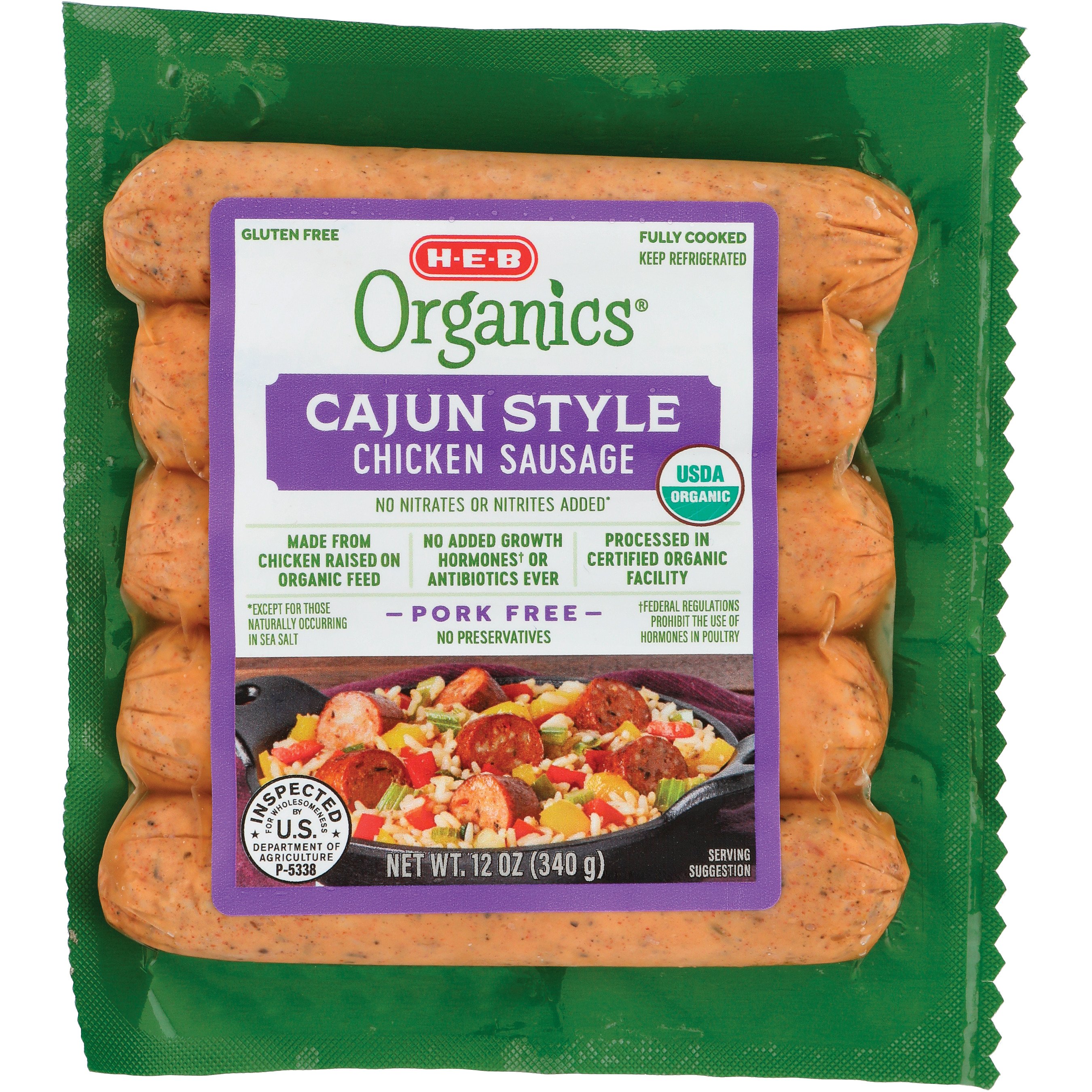

At a glance
Summary
This product features a clean ingredient list with high-quality protein from chicken and natural flavorings like smoked paprika, garlic, and cayenne pepper. The use of natural preservatives such as celery powder and vinegar enhances its appeal, while the absence of artificial additives and seed oils is commendable. Despite being processed, the minimal use of additives and the focus on whole ingredients contribute positively to its health profile.
Key ingredients 10
ChickenGood
Chicken is a high-quality source of protein, providing essential amino acids necessary for muscle growth and repair. It is minimally processed when used in whole form, contributing to its positive health impact. Compared to plant-based proteins, chicken offers a richer amino acid profile.
Benefits
Rich in protein and essential nutrients like B vitamins and selenium, supporting overall health and wellness.
Smoked PaprikaGood
Smoked paprika adds flavor and color to foods and contains antioxidants like capsaicin. It is minimally processed and enhances the sensory profile of dishes. Compared to artificial colorings, it is a natural and beneficial ingredient.
Benefits
Contains antioxidants that may support health and adds natural color and flavor to foods.
Sea SaltGood
Sea salt is a natural source of sodium and trace minerals, used to enhance flavor. It is less processed than table salt and retains beneficial minerals. Compared to refined salt, sea salt offers additional trace minerals.
Risks
Excessive sodium intake can lead to hypertension and cardiovascular issues.
Benefits
Provides essential sodium and trace minerals, supporting electrolyte balance.
HoneyGood
Traditional whole-food sweetener with trace enzymes and antioxidants.
Risks
Excessive consumption can contribute to increased sugar intake and related health issues.
Benefits
Contains small amounts of antioxidants and is a natural alternative to refined sugar.
VinegarGood
Vinegar is used for flavor and as a natural preservative. It is minimally processed and can aid in digestion and blood sugar regulation. Compared to artificial preservatives, vinegar is a natural and beneficial ingredient.
Benefits
May aid in digestion and help regulate blood sugar levels.
GarlicGood
Garlic is known for its flavor and potential health benefits, including antimicrobial and cardiovascular support. It is minimally processed and rich in beneficial compounds like allicin. Compared to artificial flavorings, garlic provides natural health benefits.
Benefits
May support cardiovascular health and has antimicrobial properties.
Cayenne PepperGood
Cayenne pepper adds heat and flavor and contains capsaicin, which may have metabolic benefits. It is minimally processed and enhances the sensory profile of foods. Compared to artificial flavorings, cayenne pepper offers natural benefits.
Risks
May cause irritation in sensitive individuals or when consumed in large amounts.
Benefits
Contains capsaicin, which may boost metabolism and provide anti-inflammatory effects.
WaterNeutral
Water is used as a processing aid and does not contribute nutritional value. It is essential for maintaining moisture and texture in processed foods. Water itself poses no health risks or benefits in this context.
See more about Water →Potato StarchNeutral
Potato starch is used as a thickening agent and stabilizer in food products. It is a refined carbohydrate with minimal nutritional value. While it provides texture, it does not offer significant health benefits.
Risks
Excessive consumption of refined carbohydrates may contribute to blood sugar spikes.
Benefits
Provides texture and stability to food products without significant nutritional benefits.
Celery PowderNeutral
Standard formulation ingredient — neither beneficial nor harmful at typical use.
Risks
Excessive consumption of nitrates may pose health risks, but celery powder is generally considered safe in moderation.
Benefits
Acts as a natural preservative and flavor enhancer, providing a more natural alternative to synthetic additives.
Processing
Processed Foods
Get the full breakdown in the Scout appTake Scout shopping
Scan any product to see lab results, healthy alternatives, and your personalized analysis.
Download on theApp Store GET IT ONGoogle Play