

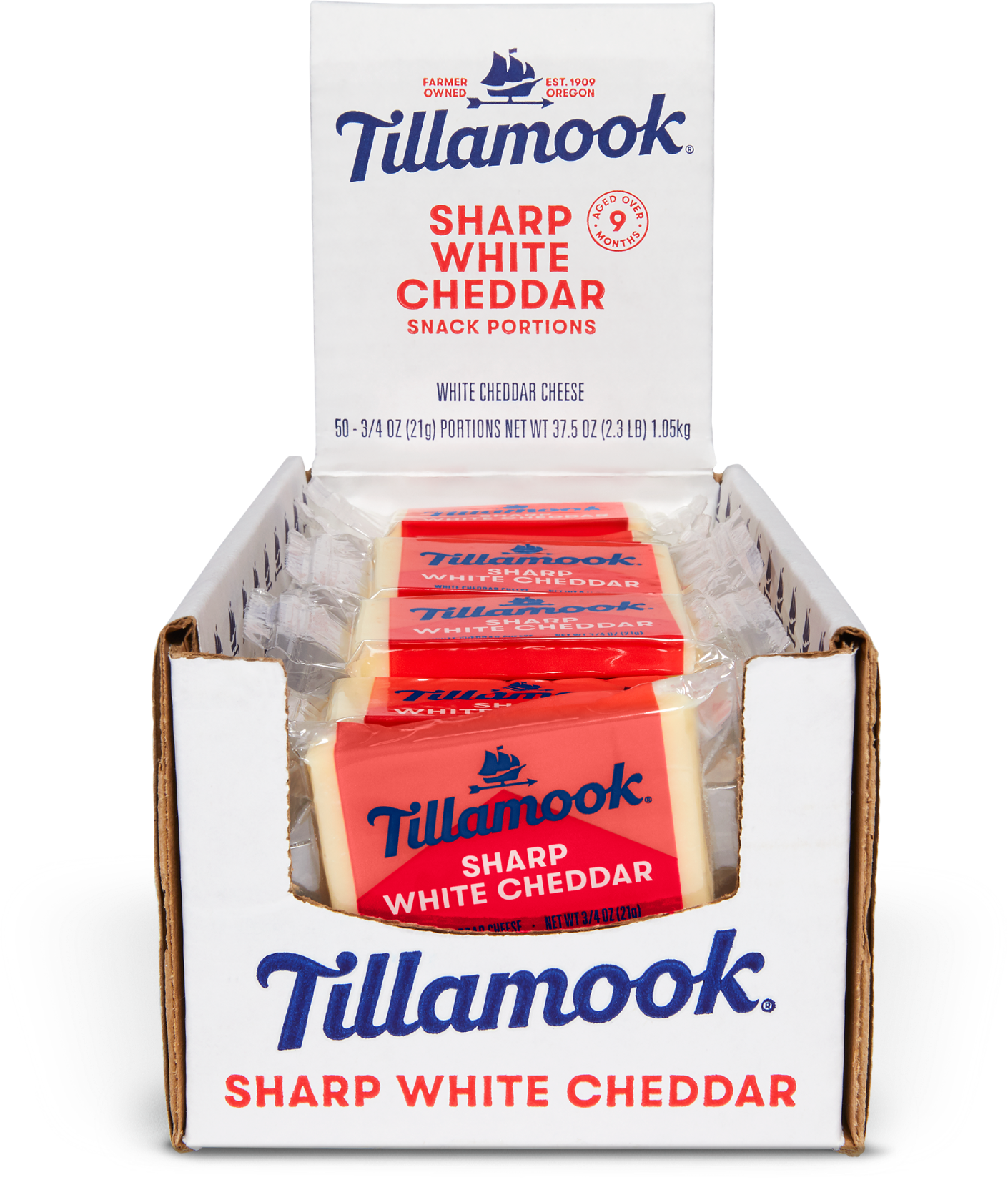

Plant-Based Cheese Alternative - White Cheddar Variety
Summary
This plant-based cheese alternative is heavily processed, which limits its potential health benefits despite containing some beneficial ingredients like coconut oil and calcium citrate. The presence of 'natural flavors' raises concerns due to the lack of transparency and potential for hidden additives. While it includes some vitamins and minerals, the overall processing level and the inclusion of less transparent ingredients impact its healthiness.
At a glance
Key ingredients 10
WaterNeutral
Water is a basic ingredient used as a solvent and to provide moisture. It is essential for the texture and consistency of the product. Water itself does not contribute any nutritional value.
See more about Water →Modified Food StarchNeutral
Modified food starch is used as a thickening agent to improve texture and stability. It is derived from starches like corn, potato, or tapioca and is chemically altered for specific functional properties. While it is generally safe, it provides little nutritional value.
Risks
Excessive consumption may lead to digestive discomfort in sensitive individuals.
Coconut OilGood
Coconut oil is a plant-based fat known for its medium-chain triglycerides (MCTs) which are easily metabolized for energy. It is less processed compared to seed oils and provides a creamy texture. Coconut oil is often praised for its potential health benefits.
Risks
High in saturated fats, which may impact heart health if consumed in excess.
Benefits
Contains MCTs that may support energy metabolism and provide a quick energy source.
Calcium CitrateGood
Calcium citrate is a calcium salt used to fortify foods with calcium, supporting bone health. It is more easily absorbed than some other forms of calcium, especially in individuals with lower stomach acid. This ingredient helps meet dietary calcium needs.
Benefits
Supports bone health and helps prevent calcium deficiency.
SaltNeutral
Salt is used to enhance flavor and act as a preservative. It is a common ingredient in processed foods but should be consumed in moderation. Excessive salt intake can lead to health issues.
Risks
High sodium intake is associated with increased risk of hypertension and cardiovascular diseases.
Benefits
Essential for maintaining fluid balance and nerve function in the body.
Natural FlavorBad
Natural flavors are used to enhance taste but can be derived from complex mixtures of chemicals. The term 'natural' does not guarantee the absence of processing or additives. This ingredient lacks transparency and may contain allergens.
Risks
Potential allergens and lack of transparency in ingredient sourcing.
Lactic AcidNeutral
Lactic acid is used as a preservative and to add acidity, enhancing flavor and shelf life. It is naturally occurring in fermented foods and generally recognized as safe. It contributes to the tangy taste of the product.
Benefits
May support gut health when derived from fermentation processes.
Citric AcidNeutral
Citric acid is a natural preservative and flavor enhancer, commonly used to add tartness. It is found naturally in citrus fruits and is widely used in food processing. It helps maintain product stability and freshness.
Risks
Excessive consumption may cause dental erosion over time.
Beta-CaroteneGood
Beta-carotene is a natural pigment used for coloring and is a precursor to vitamin A. It is an antioxidant that supports vision and immune function. This ingredient adds a natural color without synthetic dyes.
Benefits
Acts as an antioxidant and supports eye health and immune function.
CyanocobalaminGood
Cyanocobalamin is a synthetic form of vitamin B12 used to fortify foods. It is essential for nerve function and the production of red blood cells. This ingredient helps prevent vitamin B12 deficiency, especially in plant-based diets.
Benefits
Supports nerve health and aids in the production of red blood cells.
Processing
Ultra-Processed Foods
Get the full breakdown in the Scout app
Scan any product to see lab results, healthy alternatives, and your personalized analysis.
Download on theApp Store