




At a glance
Summary
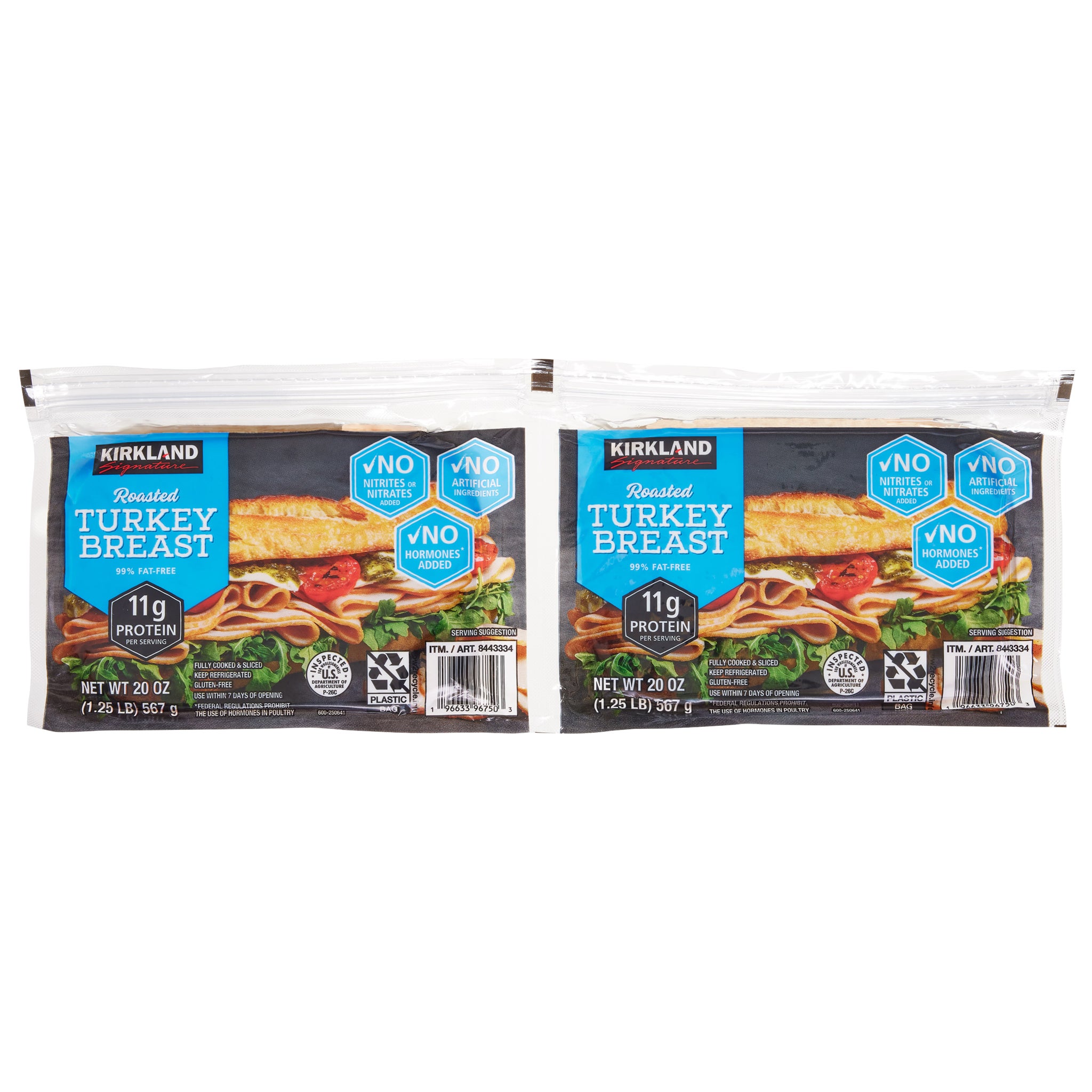
This turkey breast product is processed and contains added sugar and sodium phosphate, which are common in processed meats and can contribute to health concerns such as excessive sugar intake and potential kidney issues. However, it still provides a good source of lean protein from turkey breast, which is beneficial for muscle maintenance and repair. The presence of these additives and the processing level limit its score.
Key ingredients 7
Turkey breastGood
Turkey breast is a lean source of high-quality protein, essential for muscle maintenance and repair. It is minimally processed and provides essential amino acids. Compared to other meats, it is lower in fat and calories, making it a healthy choice.
Benefits
Rich in protein and low in fat, supporting muscle health and weight management.
HoneyGood
Traditional whole-food sweetener with trace enzymes and antioxidants.
Risks
Excessive consumption can contribute to high sugar intake.
Benefits
Contains antioxidants and trace nutrients, offering a natural sweetness.
WaterNeutral
Water is used as a processing aid and does not contribute nutritional value. It helps maintain moisture in the product. There are no health concerns associated with water in this context.
See more about Water →SaltNeutral
Salt is used for flavor and preservation. It is a common ingredient in processed foods. While necessary for bodily functions, excessive intake can lead to health issues like hypertension.
Risks
High sodium intake can increase the risk of hypertension and cardiovascular diseases.
Benefits
Essential for maintaining fluid balance and nerve function.
Sodium citrateNeutral
Sodium citrate is used as an acidity regulator and preservative. It is generally recognized as safe in small amounts. It helps maintain the stability and flavor of the product.
Benefits
Helps maintain product stability and flavor.
SugarBad
Sugar is a refined carbohydrate that provides empty calories with no essential nutrients. It is associated with increased risk of obesity and metabolic disorders. Its presence in processed foods can contribute to excessive sugar consumption.
Risks
High sugar intake is linked to obesity, type 2 diabetes, and dental cavities.
Sodium phosphateBad
Sodium phosphate is used as a preservative and to retain moisture in processed meats. It is a synthetic additive that can affect kidney function when consumed in large amounts. Its use in processed foods is a concern for those with kidney issues.
Risks
May contribute to kidney damage and imbalances in phosphate levels when consumed excessively.
Benefits
Helps maintain moisture and texture in processed meats.
Processing
Processed Foods
Get the full breakdown in the Scout appTake Scout shopping
Scan any product to see lab results, healthy alternatives, and your personalized analysis.
Download on theApp Store GET IT ONGoogle Play