


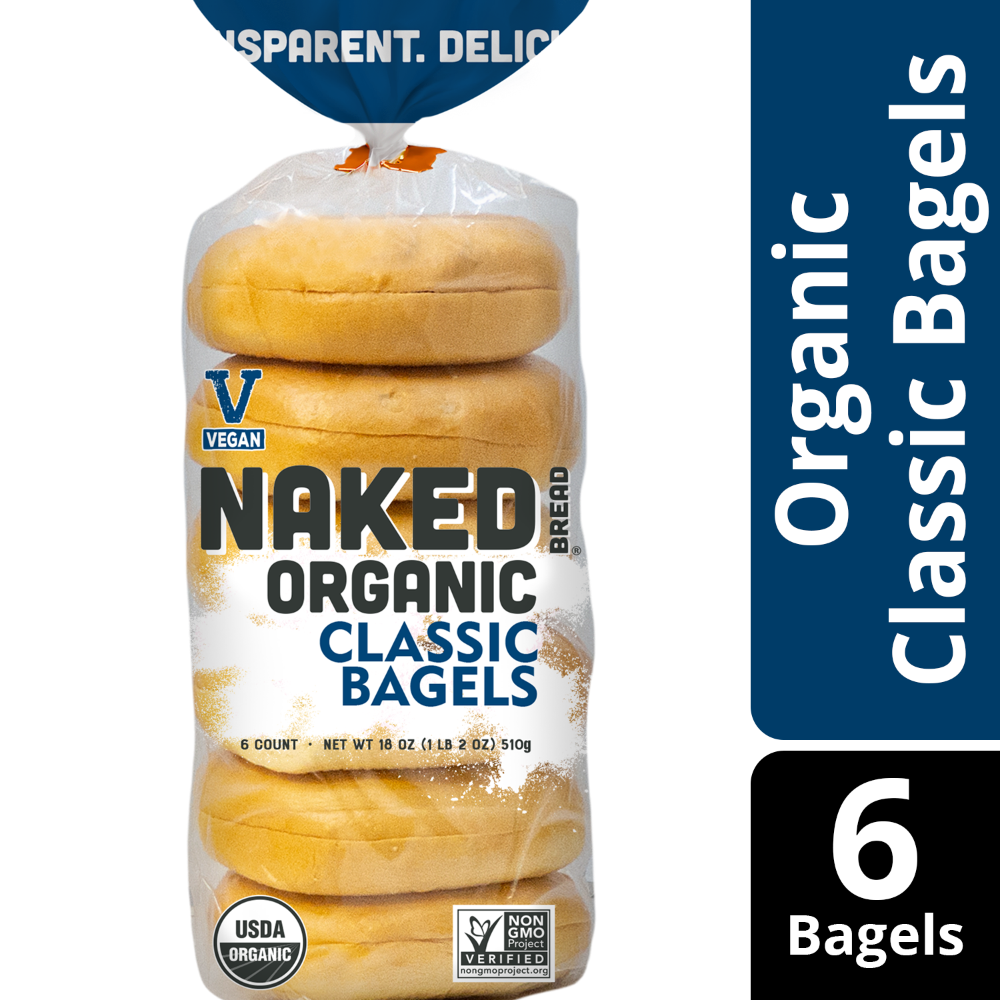

Bagels
Summary
This bagel product is heavily processed, containing multiple additives such as calcium propionate and sorbic acid, which are used as preservatives. While it includes some beneficial ingredients like malted barley flour and vitamins, the presence of refined sugar and the overall high level of processing significantly impact its healthiness. The combination of these factors results in a moderate score, reflecting both the positive and negative aspects of its composition.
At a glance
Key ingredients 15
Enriched wheat flourNeutral
Enriched wheat flour is a refined grain product that has been fortified with vitamins and minerals. It lacks the fiber and nutrients found in whole grains. While it provides essential nutrients, it may contribute to blood sugar spikes.
Risks
May contribute to blood sugar spikes and lacks fiber compared to whole grains.
Benefits
Provides essential vitamins and minerals due to fortification.
Malted barley flourGood
Malted barley flour is used to enhance flavor and improve the texture of baked goods. It contains enzymes that help break down starches into sugars. This ingredient can improve the taste and texture of baked products.
Benefits
Enhances flavor and texture in baked goods.
Thiamin mononitrateGood
Thiamin mononitrate is a synthetic form of vitamin B1 used to fortify foods. It is essential for energy metabolism and nerve function. Fortification helps prevent deficiencies in populations with limited dietary diversity.
Benefits
Essential for energy metabolism and nerve function.
RiboflavinGood
Riboflavin, or vitamin B2, is added to foods to support energy production and cellular function. It is crucial for the metabolism of fats, drugs, and steroids. Fortification helps ensure adequate intake in the diet.
Benefits
Supports energy production and cellular function.
Folic acidGood
Folic acid is a synthetic form of vitamin B9 used to fortify foods to prevent neural tube defects. It is vital for DNA synthesis and repair. Fortification is particularly important for pregnant women to prevent birth defects.
Benefits
Prevents neural tube defects and supports DNA synthesis.
SugarBad
Sugar is a refined carbohydrate that provides quick energy but lacks essential nutrients. Excessive consumption can lead to weight gain and increased risk of chronic diseases. It is often added to enhance flavor but should be consumed in moderation.
Risks
Excessive consumption can lead to weight gain and increased risk of chronic diseases.
Benefits
Provides quick energy but lacks essential nutrients.
YeastGood
Yeast is a microorganism used in baking to leaven dough and enhance flavor. It contributes to the fermentation process, producing carbon dioxide that helps dough rise. Yeast also adds B vitamins and protein to baked goods.
Benefits
Contributes to dough leavening and adds B vitamins and protein.
Wheat glutenNeutral
Wheat gluten is a protein found in wheat that provides elasticity and structure to dough. It is essential for the texture of many baked goods. While beneficial for baking, it can cause issues for those with gluten intolerance or celiac disease.
Risks
Can cause issues for those with gluten intolerance or celiac disease.
Benefits
Provides elasticity and structure to dough.
Calcium propionateBad
Calcium propionate is a preservative used to prevent mold and bacterial growth in baked goods. It extends shelf life but is a synthetic additive. Some individuals may experience allergic reactions or digestive issues.
Risks
May cause allergic reactions or digestive issues in sensitive individuals.
Benefits
Prevents mold and bacterial growth, extending shelf life.
Sorbic acidBad
Sorbic acid is a preservative used to inhibit mold and yeast growth in food products. It is effective at low concentrations but is a synthetic additive. Some people may experience allergic reactions or skin irritation.
Risks
May cause allergic reactions or skin irritation in sensitive individuals.
Benefits
Inhibits mold and yeast growth, preserving food quality.
Guar gumNeutral
Guar gum is a thickening agent derived from guar beans used to improve texture and consistency in foods. It is a soluble fiber that can aid digestion. However, excessive consumption may cause digestive discomfort.
Risks
Excessive consumption may cause digestive discomfort.
Benefits
Improves texture and consistency, and can aid digestion.
Citric acidNeutral
Citric acid is a natural acid found in citrus fruits used as a preservative and flavor enhancer. It is generally recognized as safe but can cause tooth enamel erosion if consumed in large amounts. It helps maintain freshness and enhances flavor.
Risks
Can cause tooth enamel erosion if consumed in large amounts.
Benefits
Maintains freshness and enhances flavor.
MaltodextrinNeutral
Maltodextrin is a carbohydrate derived from starch used as a thickener and filler in processed foods. It provides quick energy but has a high glycemic index. It is often used to improve texture and shelf life.
Risks
High glycemic index may affect blood sugar levels.
Benefits
Provides quick energy and improves texture and shelf life.
Cellulose gumNeutral
Cellulose gum is a thickening agent derived from plant fibers used to stabilize and thicken foods. It is generally recognized as safe but offers no nutritional benefits. It helps improve the texture and consistency of processed foods.
Benefits
Improves texture and consistency of processed foods.
Food starchNeutral
Food starch, often modified, is used to thicken and stabilize processed foods. It is derived from corn and provides no significant nutritional benefits. It helps improve the texture and shelf life of food products.
Benefits
Improves texture and shelf life of food products.
Processing
Ultra-Processed Foods
Get the full breakdown in the Scout app
Scan any product to see lab results, healthy alternatives, and your personalized analysis.
Download on theApp Store