


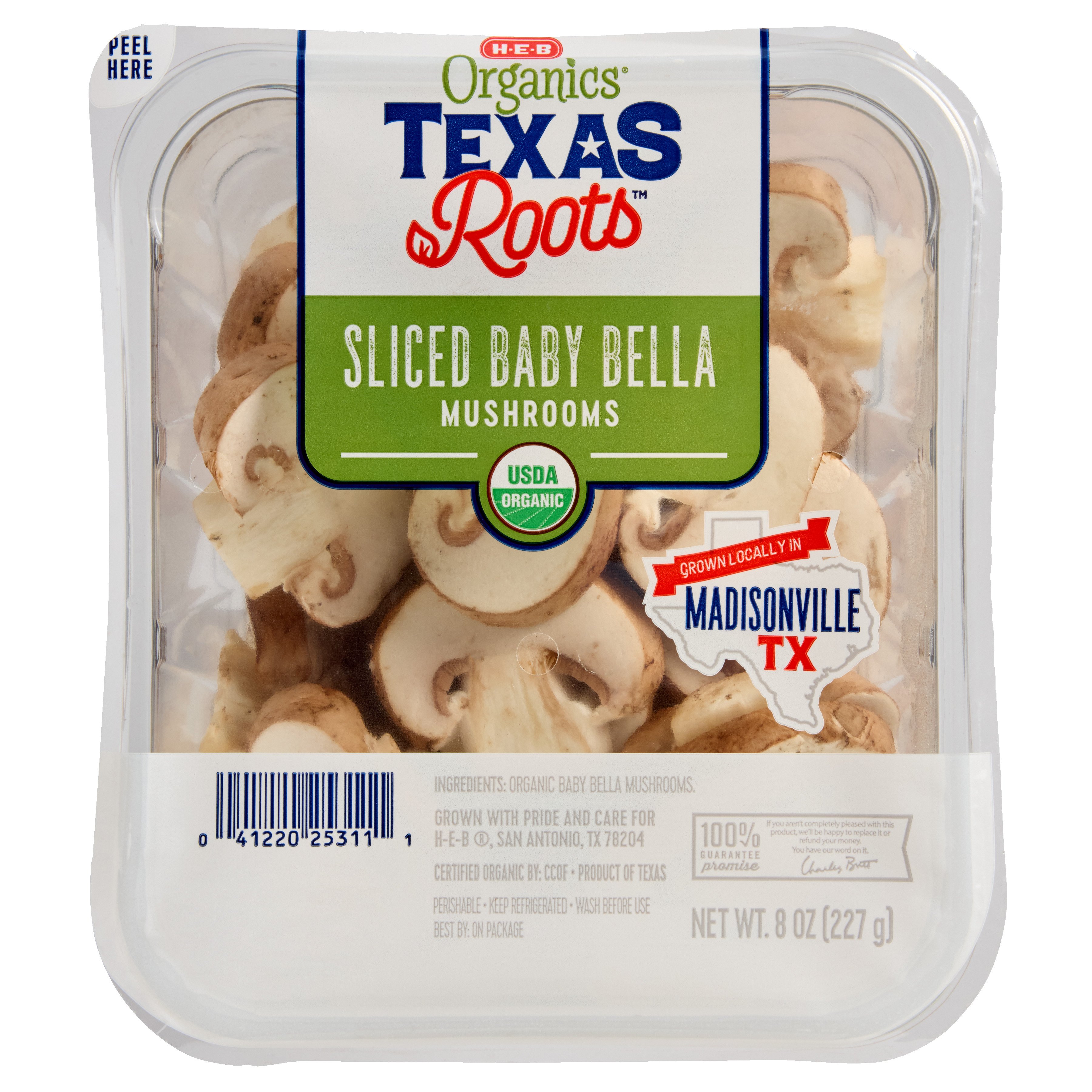

Pacific Foods Organic Cream Of Mushroom
Analysis updated August 2026 · How Scout scores
At a glance
Summary
This product contains several beneficial organic ingredients such as mushrooms, cream, and whey, which contribute to its nutritional value. However, it is classified as ultra-processed due to the presence of processed ingredients like organic natural flavor and soy protein concentrate. These factors, along with the overall processing level, limit its health score despite the organic certification.
Key ingredients 10
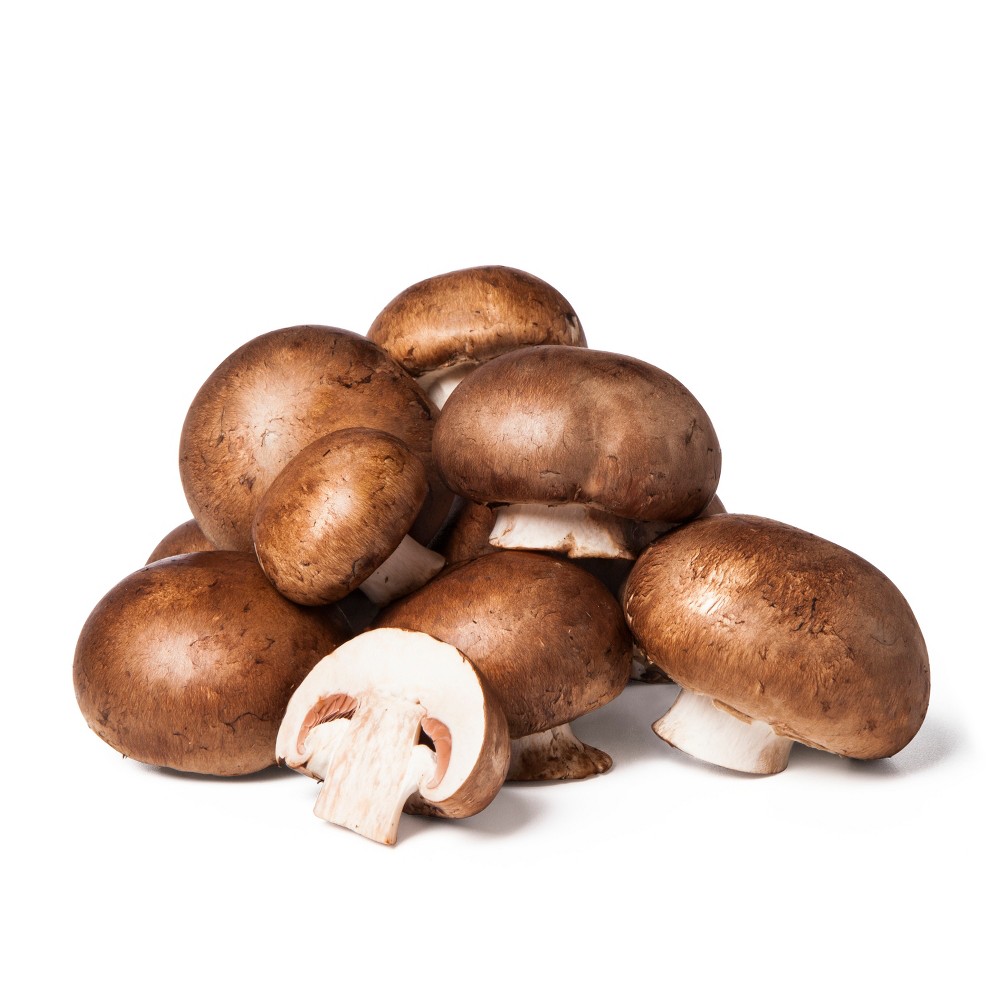
Organic MushroomsVery Good
Organic mushrooms are a nutrient-rich ingredient providing vitamins, minerals, and antioxidants. Being organic, they are free from synthetic pesticides and fertilizers. They contribute to immune support and overall health.
Benefits
Rich in antioxidants and nutrients that support immune function and overall health.
Organic CreamGood
Organic cream is a source of healthy fats and fat-soluble vitamins. The organic certification ensures it is free from synthetic hormones and pesticides. It adds richness and flavor to the product.
Risks
High in saturated fats, which should be consumed in moderation.
Benefits
Provides healthy fats and fat-soluble vitamins, enhancing flavor and texture.
Sea SaltGood
Sea salt is a minimally processed source of sodium and trace minerals. It enhances flavor and provides essential electrolytes. Its unrefined nature retains beneficial minerals.
Risks
Excessive sodium intake can lead to hypertension and cardiovascular issues.
Benefits
Provides essential electrolytes and enhances flavor with trace minerals.
Organic WheyGood
Organic whey is a high-quality protein source rich in essential amino acids. The organic certification ensures it is free from synthetic hormones and pesticides. It supports muscle repair and growth.
Risks
May cause digestive issues for those with lactose intolerance.
Benefits
Rich in essential amino acids, supporting muscle repair and growth.
WaterNeutral
Water is a neutral ingredient used as a base in many food products. It provides no nutritional value but is essential for consistency and texture. It is a clean, unprocessed ingredient.
See more about Water →Organic Corn StarchNeutral
Organic corn starch is used as a thickening agent in foods. Being organic, it is free from genetically modified organisms and synthetic chemicals. It contributes to the texture without significant nutritional impact.
See more about Organic Corn Starch →Organic Wheat FlourNeutral
Organic wheat flour is a common ingredient providing carbohydrates and some protein. The organic label ensures it is free from synthetic pesticides and fertilizers. It is used for texture and structure in foods.
Risks
Contains gluten, which may cause issues for individuals with celiac disease or gluten sensitivity.
Benefits
Provides carbohydrates and some protein, contributing to energy and structure.
Organic Yeast ExtractNeutral
Yeast extract is used to enhance flavor, often providing a savory umami taste. The organic certification ensures it is free from synthetic additives. It is a natural flavor enhancer without significant nutritional impact.
Risks
May contain naturally occurring glutamates, which can be a concern for those sensitive to MSG.
Benefits
Enhances flavor with a natural umami taste.
Organic Natural FlavorBad
Natural flavors, even when organic, are often highly processed and can contain a variety of chemical compounds. They lack transparency in terms of specific ingredients used. This can be concerning for those with allergies or sensitivities.
Risks
Potential allergen risk due to lack of transparency in ingredient composition.
Organic Soy Protein ConcentrateBad
Soy protein concentrate is a processed plant-based protein with a less complete amino acid profile compared to animal proteins. The organic label ensures it is free from GMOs and synthetic chemicals. It is often used as a protein supplement but may not be as bioavailable as animal proteins.
Risks
May affect hormone levels due to phytoestrogens and can cause allergies in some individuals.
Benefits
Provides a plant-based protein source, suitable for vegetarians and vegans.
Processing
Ultra-Processed Foods
Get the full breakdown in the Scout appTake Scout shopping
Scan any product to see lab results, healthy alternatives, and your personalized analysis.
Download on theApp Store GET IT ONGoogle PlayAmazon pricing & content
Amazon price as of . Product prices and availability are accurate as of the date/time indicated and are subject to change. Any price and availability information displayed on Amazon.com at the time of purchase will apply to the purchase of this product.
CERTAIN CONTENT THAT APPEARS ON THIS SITE COMES FROM AMAZON. THIS CONTENT IS PROVIDED “AS IS” AND IS SUBJECT TO CHANGE OR REMOVAL AT ANY TIME.