
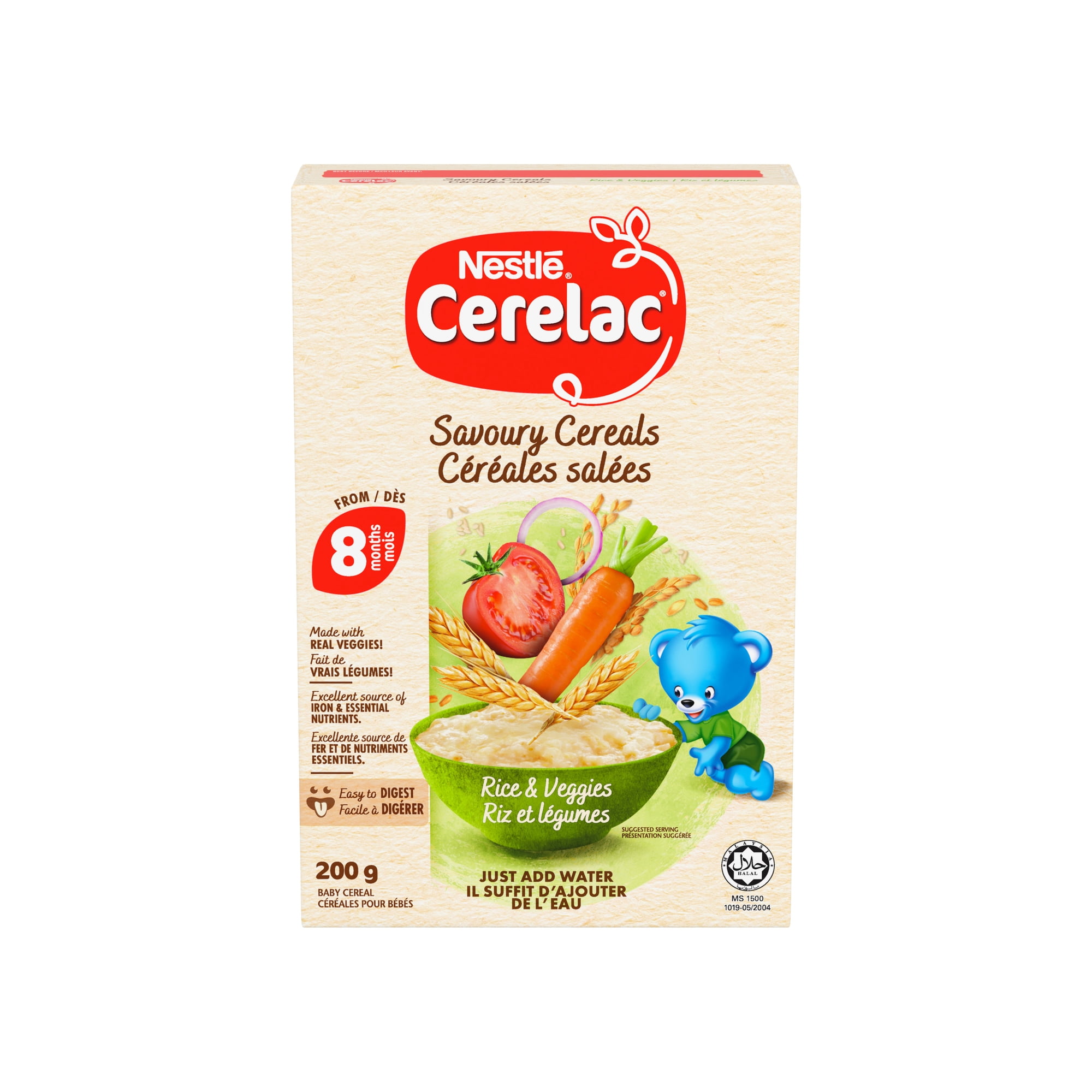


Cerelac Rice & Veggies Savoury Baby Cereal, 8 Months & Up, Source Of Iron, Vitamin B1, B2, B3 & Zinc
Analysis updated May 2026 · How Scout scores
At a glance
Summary
This baby cereal contains beneficial ingredients like vitamins B1, B2, B3, and iron, which are important for infant development. However, it is a processed product with soy, a common allergen, and contains added sugars, which are not ideal for babies. The processing level and presence of soy slightly reduce its overall healthiness despite the nutritional fortification.
Key ingredients 9
Thiamine mononitrateGood
Thiamine mononitrate is a synthetic form of vitamin B1, essential for energy metabolism. It is commonly added to foods to prevent deficiencies, especially in processed products. This form is stable and effective in fortifying foods.
Benefits
Supports energy metabolism and is crucial for nerve function. Helps prevent vitamin B1 deficiency.
RiboflavinGood
Riboflavin, or vitamin B2, is important for energy production and cellular function. It is often added to foods to enhance nutritional value. This vitamin is water-soluble and generally well-tolerated.
Benefits
Essential for energy production and helps maintain healthy skin and eyes.
NiacinamideGood
Niacinamide is a form of vitamin B3 that supports energy metabolism and DNA repair. It is commonly used in food fortification to prevent niacin deficiency. This form is well-absorbed and effective.
Benefits
Supports energy metabolism and helps maintain healthy skin.
Ferrous fumarateGood
Ferrous fumarate is an iron supplement used to prevent and treat iron deficiency anemia. It is a common fortification in cereals to ensure adequate iron intake. This form of iron is well-absorbed and effective in increasing iron levels.
Risks
Excessive intake may cause gastrointestinal discomfort or iron overload.
Benefits
Helps prevent iron deficiency anemia and supports oxygen transport in the body.
MilkGood
Milk is a natural source of calcium, protein, and essential vitamins. It is often included in baby cereals to enhance nutritional content. Milk provides a complete protein profile and supports bone health.
Risks
May cause allergic reactions in individuals with lactose intolerance or milk allergy.
Benefits
Rich in calcium and protein, supporting bone health and growth.
TomatoesGood
Tomatoes are rich in vitamins A and C, as well as antioxidants like lycopene. They are included in baby cereals for their nutritional benefits and flavor. Lycopene has been associated with reduced risk of certain chronic diseases.
Benefits
Rich in antioxidants and vitamins, supporting immune function and reducing inflammation.
CarrotsGood
Carrots are a good source of beta-carotene, which the body converts to vitamin A. They are included in baby cereals for their nutritional value and natural sweetness. Vitamin A is crucial for vision and immune health.
Benefits
Supports vision and immune health due to high beta-carotene content.
OnionsNeutral
Onions are used for flavor and contain small amounts of vitamins and minerals. They are generally safe in small quantities in baby foods. Onions may have mild antioxidant properties.
Benefits
May provide mild antioxidant benefits.
SoyBad
Soy is a common allergen and may contain phytoestrogens that mimic estrogen in the body. It is often used in processed foods for its protein content. Concerns exist about its potential impact on hormone levels and thyroid function.
Risks
May cause allergic reactions and potentially affect hormone balance.
Benefits
Provides a plant-based source of protein and contains beneficial isoflavones.
Processing
Processed Foods
Get the full breakdown in the Scout appTake Scout shopping
Scan any product to see lab results, healthy alternatives, and your personalized analysis.
Download on theApp Store GET IT ONGoogle Play