


Post Cereal
Analysis updated September 2026 · How Scout scores
At a glance
Summary
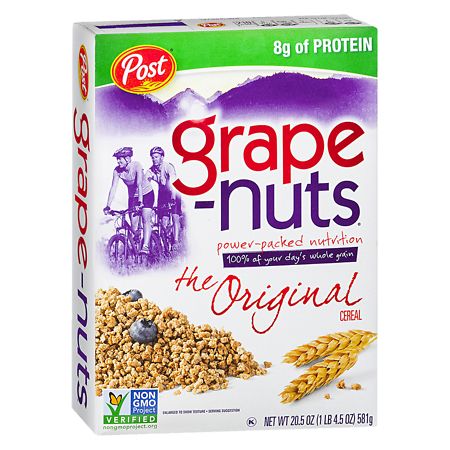
This cereal is primarily made from whole grain wheat flour, which is a good source of dietary fiber and essential nutrients. The inclusion of malted barley flour and dried yeast adds to its nutritional profile by providing enzymes and B vitamins. However, the product is processed and contains added vitamins and minerals, which slightly detracts from its overall healthiness compared to less processed options.
Key ingredients 10
Whole Grain Wheat FlourGood
Whole grain wheat flour is a source of dietary fiber and essential nutrients. It is minimally processed, retaining the bran and germ which provide vitamins and minerals. This ingredient supports digestive health and provides sustained energy.
Risks
Contains gluten, which may cause issues for individuals with celiac disease or gluten sensitivity.
Benefits
Rich in fiber, vitamins, and minerals, supporting heart health and digestion.
Malted Barley FlourGood
Malted barley flour is used to enhance flavor and improve texture in baked goods. It contains enzymes that help break down starches into sugars, aiding in fermentation. This ingredient can improve the nutritional profile by adding vitamins and minerals.
Risks
May contain gluten, posing a risk for those with gluten intolerance or celiac disease.
Benefits
Provides enzymes that aid digestion and enhance flavor, along with additional nutrients.
NiacinamideGood
Vitamin B3 — evidence-backed skin and metabolic benefits.
Benefits
Supports energy metabolism and skin health as a form of vitamin B3.
SaltNeutral
Salt is used to enhance flavor and preserve food. It is a common ingredient in processed foods and is necessary for various bodily functions. However, excessive intake can lead to health issues such as hypertension.
Risks
High sodium intake is associated with increased risk of hypertension and cardiovascular diseases.
Benefits
Essential for maintaining fluid balance and nerve function in the body.
Dried YeastNeutral
Dried yeast is used as a leavening agent in baking, helping dough rise. It is a natural source of B vitamins and protein. However, it does not significantly impact the nutritional profile of the final product.
Benefits
Provides B vitamins and protein, aiding in the fermentation process.
Reduced IronNeutral
Reduced iron is added to fortify foods with iron, an essential mineral for oxygen transport in the blood. It is a common fortification in cereals to prevent iron deficiency anemia. However, excessive iron intake can be harmful.
Risks
Excessive iron intake can lead to toxicity, especially in individuals with hemochromatosis.
Benefits
Helps prevent iron deficiency anemia by contributing to daily iron intake.
Zinc OxideNeutral
Zinc oxide is used to fortify foods with zinc, an essential mineral for immune function and wound healing. It is a common fortification in cereals to support overall health. However, excessive zinc intake can interfere with copper absorption.
Risks
Excessive zinc intake can lead to copper deficiency and other health issues.
Benefits
Supports immune function and wound healing by providing essential zinc.
Vitamin B6Neutral
Vitamin B6 is added to fortify foods and is essential for protein metabolism and cognitive development. It is generally safe and beneficial in moderate amounts. Fortification helps meet daily nutritional requirements.
Benefits
Supports protein metabolism and cognitive development as an essential vitamin.
Thiamin MononitrateNeutral
Thiamin mononitrate is a form of vitamin B1 used to fortify foods. It is essential for energy metabolism and nerve function. Fortification helps prevent thiamin deficiency, especially in processed foods.
Benefits
Supports energy metabolism and nerve function as a form of vitamin B1.
Folic AcidNeutral
Folic acid is a synthetic form of folate used to fortify foods. It is essential for DNA synthesis and cell division, particularly important during pregnancy. Fortification helps prevent neural tube defects in newborns.
Risks
Excessive intake can mask vitamin B12 deficiency symptoms.
Benefits
Supports DNA synthesis and cell division, crucial during pregnancy to prevent birth defects.
Processing
Processed Foods
Get the full breakdown in the Scout appTake Scout shopping
Scan any product to see lab results, healthy alternatives, and your personalized analysis.
Download on theApp Store GET IT ONGoogle PlayAmazon pricing & content
Amazon price as of . Product prices and availability are accurate as of the date/time indicated and are subject to change. Any price and availability information displayed on Amazon.com at the time of purchase will apply to the purchase of this product.
CERTAIN CONTENT THAT APPEARS ON THIS SITE COMES FROM AMAZON. THIS CONTENT IS PROVIDED “AS IS” AND IS SUBJECT TO CHANGE OR REMOVAL AT ANY TIME.