
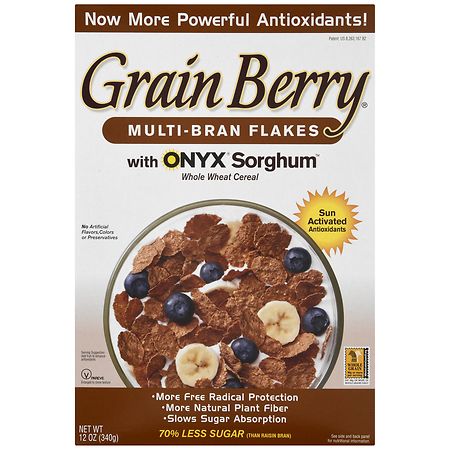
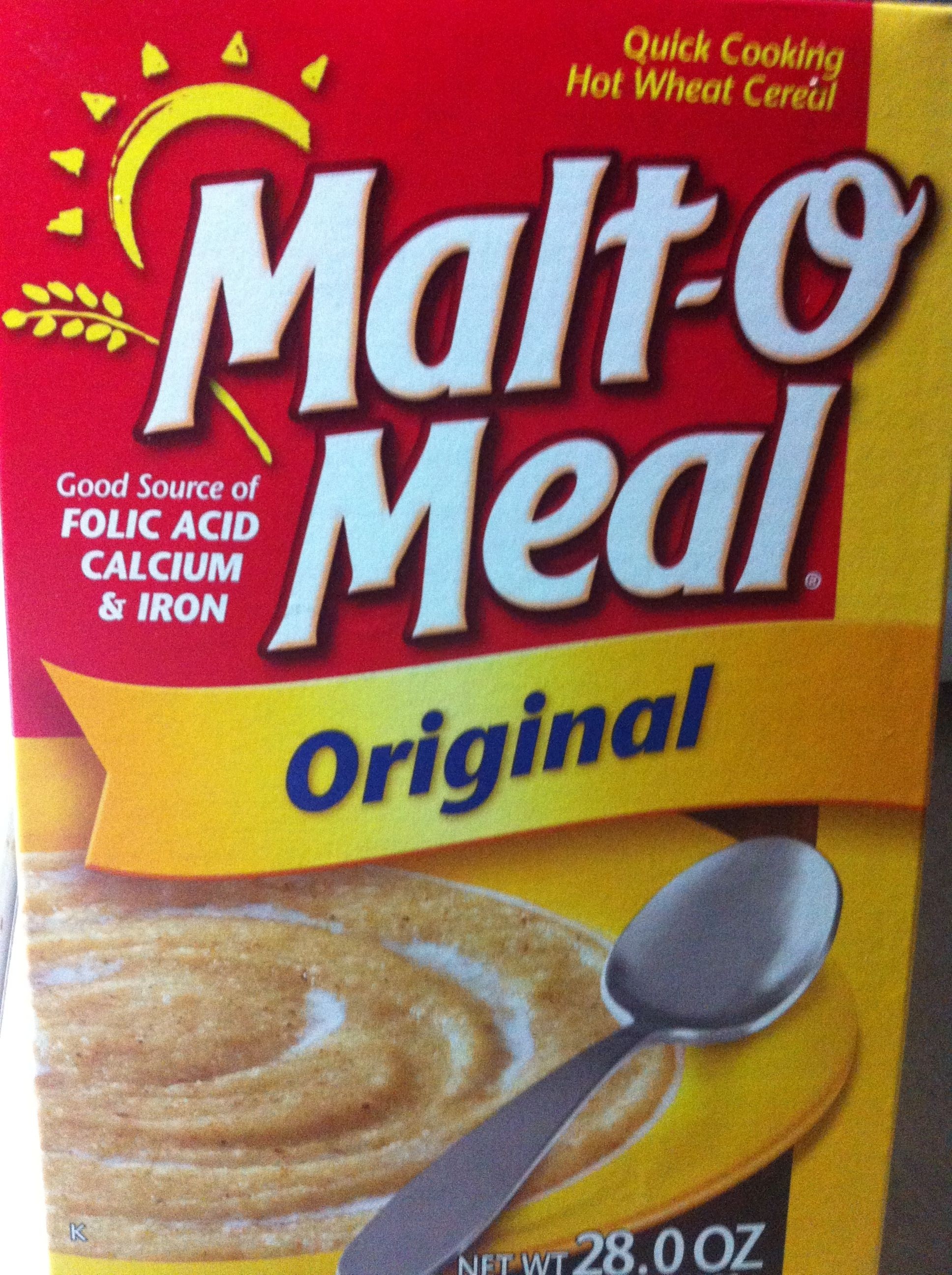
Grain Berry WHOLE WHEAT CEREAL
Analysis updated October 2026 · How Scout scores
At a glance
Summary
This cereal contains beneficial whole grain ingredients like wheat and sorghum, which provide fiber and essential nutrients. However, it includes added sugar, which is a refined carbohydrate linked to health issues such as obesity and diabetes. The product is processed, which limits its score despite the presence of vitamins and minerals that enhance its nutritional profile.
Key ingredients 8
Whole grain wheatVery Good
Whole grain wheat is a rich source of dietary fiber and essential nutrients. It is minimally processed, retaining the bran and germ which provide vitamins and minerals. This ingredient supports digestive health and provides sustained energy.
Benefits
High in dietary fiber, which aids in digestion and helps maintain healthy blood sugar levels. Provides essential nutrients such as B vitamins and iron.
Sorghum blendGood
Sorghum blend, including hi-tannin bran and whole grain onyx, is rich in antioxidants and fiber. It is less processed compared to refined grains, retaining more nutrients. This ingredient may help in reducing inflammation and improving heart health.
Benefits
Provides antioxidants that may reduce oxidative stress and support cardiovascular health. High fiber content aids in digestion.
Wheat branGood
Wheat bran is a concentrated source of dietary fiber and essential nutrients. It is minimally processed, preserving its natural nutrient profile. This ingredient supports digestive health and may help in lowering cholesterol levels.
Benefits
Rich in dietary fiber, which promotes healthy digestion and may aid in weight management. Contains essential nutrients like magnesium and phosphorus.
TocopherolsGood
Tocopherols, a form of vitamin E, are antioxidants that help maintain freshness and prevent oxidation. They are minimally processed and provide health benefits by protecting cells from damage. This ingredient supports immune function and skin health.
Benefits
Acts as an antioxidant, protecting cells from oxidative damage. Supports immune function and skin health.
Vitamins and mineralsGood
The added vitamins and minerals enhance the nutritional profile of the cereal. They are essential for various bodily functions and are included to ensure adequate nutrient intake. This fortification helps in meeting daily nutritional requirements.
Benefits
Provides essential nutrients such as vitamin C, calcium, iron, and B vitamins, supporting overall health and well-being.
SaltNeutral
Salt is used to enhance flavor but provides no significant nutritional benefits. It is a refined ingredient that should be consumed in moderation. Excessive intake can lead to health issues such as hypertension.
Risks
High sodium intake can increase the risk of high blood pressure and cardiovascular disease.
Malt extractNeutral
Malt extract is a sweetener derived from barley that adds flavor and color to foods. It is moderately processed and contains some vitamins and minerals. However, it is primarily used for its flavoring properties rather than nutritional value.
Risks
May contribute to increased blood sugar levels if consumed in large amounts.
Benefits
Contains small amounts of vitamins and minerals, but primarily used for flavor enhancement.
SugarBad
Sugar is a refined carbohydrate that can contribute to increased blood sugar levels. It is highly processed and lacks nutritional benefits. Excessive consumption is linked to various health issues such as obesity and diabetes.
Risks
High intake of sugar can lead to weight gain, increased risk of type 2 diabetes, and dental cavities.
Processing
Processed Foods
Get the full breakdown in the Scout appTake Scout shopping
Scan any product to see lab results, healthy alternatives, and your personalized analysis.
Download on theApp Store GET IT ONGoogle PlayAmazon pricing & content
Amazon price as of . Product prices and availability are accurate as of the date/time indicated and are subject to change. Any price and availability information displayed on Amazon.com at the time of purchase will apply to the purchase of this product.
CERTAIN CONTENT THAT APPEARS ON THIS SITE COMES FROM AMAZON. THIS CONTENT IS PROVIDED “AS IS” AND IS SUBJECT TO CHANGE OR REMOVAL AT ANY TIME.