
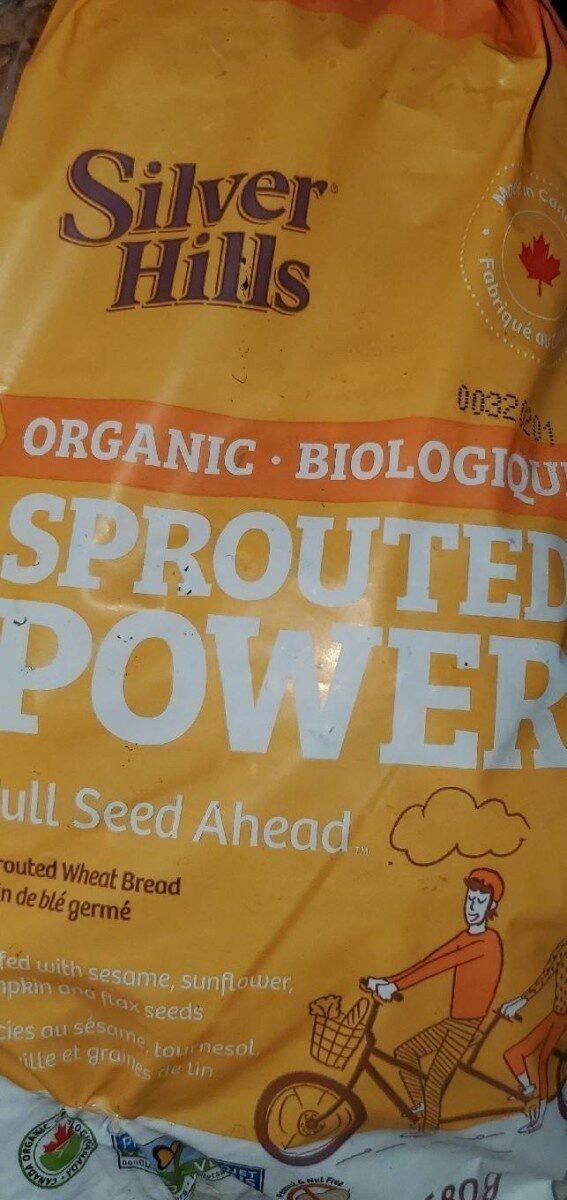



Full Seed Ahead Sprouted whole grain bread
Analysis updated August 2026 · How Scout scores
At a glance
Summary
This bread is made with organic sprouted grains and seeds, which enhance nutrient availability and digestibility. The use of organic ingredients and the absence of harmful additives contribute to its healthfulness. However, as a processed food, it is subject to a score cap, despite its clean ingredient list.
Key ingredients 10
Organic seeds (flaxseeds, pumpkin seeds, sunflower seeds, sesame seeds)Very Good
Seeds are nutrient-dense, offering healthy fats, fiber, and essential nutrients beneficial for health.
Organic sprouted grains (whole grain wheat, whole grain oats)Good
These sprouted grains are minimally processed and rich in nutrients, making them a wholesome base for the bread.
Khorasan FlourGood
Part of Organic sprouted flour blend. This blend provides diverse grains and legumes, adding nutritional variety and fiber to the bread.
Chickpea FlourGood
Part of Organic sprouted flour blend. This blend provides diverse grains and legumes, adding nutritional variety and fiber to the bread.
See more about Chickpea Flour →Sea saltGood
Sea salt provides essential minerals and enhances flavor without harmful additives.
See more about Sea salt →WaterNeutral
Water is essential for dough formation and has no direct health impact, serving as a neutral ingredient.
See more about Water →Rye FlourNeutral
Part of Organic sprouted flour blend. This blend provides diverse grains and legumes, adding nutritional variety and fiber to the bread.
See more about Rye Flour →Organic vital wheat glutenNeutral
Vital wheat gluten enhances texture and protein content but is a processed ingredient with no inherent health benefit or harm.
See more about Organic vital wheat gluten →YeastNeutral
Yeast is a natural leavening agent that helps the bread rise, with no significant health concerns.
See more about Yeast →SugarsBad
Sources: organic cane sugar and/or organic oat syrup. Added sugars can contribute to excess calorie intake and may impact blood sugar levels if consumed in large amounts.
See more about Sugars →Processing
Processed Foods
Get the full breakdown in the Scout appTake Scout shopping
Scan any product to see lab results, healthy alternatives, and your personalized analysis.
Download on theApp Store GET IT ONGoogle Play