


At a glance
Summary
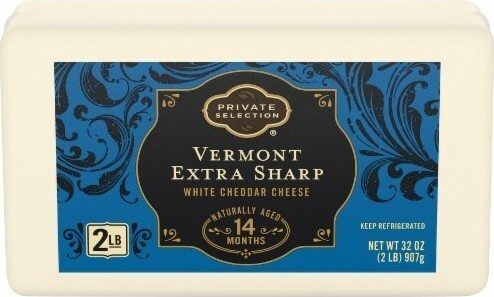
This cheddar cheese is made with a relatively clean ingredient list, including milk, cream, and bacterial cultures, which are beneficial for flavor and nutrition. The presence of additives like annatto and calcium chloride is typical in cheese production but does not significantly detract from its quality. Despite being processed, the cheese maintains a high nutritional profile with good protein and fat content, making it a solid choice within its category.
Key ingredients 9
MilkGood
Milk is a primary source of calcium and protein, essential for bone health and muscle maintenance. It is minimally processed in cheese production, retaining most of its nutritional benefits. The quality of milk can vary based on the source, with grass-fed options being superior.
Risks
Potential risks include lactose intolerance and allergies in some individuals.
Benefits
Rich in calcium and protein, supporting bone health and muscle function.
CreamGood
Cream adds richness and flavor, contributing to the texture and taste of cheese. It is a source of saturated fats, which are essential in moderation for hormone production. The quality of cream can be enhanced if sourced from grass-fed cows.
Risks
High in saturated fats, which should be consumed in moderation to avoid cardiovascular risks.
Benefits
Provides a rich source of fats and enhances the flavor and texture of cheese.
Bacterial cultureGood
Bacterial cultures are essential for fermentation, contributing to the development of flavor and texture in cheese. They also promote gut health by introducing beneficial bacteria. The specific strains used can vary, affecting the final product's characteristics.
Benefits
Promotes fermentation and can support gut health through beneficial bacteria.
Ultrafiltered milkNeutral
Ultrafiltered milk is processed to concentrate protein and reduce lactose content. This process can enhance the nutritional profile by increasing protein content. However, it is more processed than regular milk, which may not appeal to purists.
Benefits
Higher protein content and reduced lactose, beneficial for those with mild lactose intolerance.
SaltNeutral
Salt is used for flavor and as a preservative in cheese production. It is a necessary component but should be consumed in moderation due to potential health impacts. The type of salt used can vary, with unrefined salts offering trace minerals.
Risks
Excessive consumption can lead to high blood pressure and cardiovascular issues.
Benefits
Enhances flavor and acts as a preservative in cheese.
AnnattoNeutral
Annatto is a natural coloring agent derived from seeds, used to give cheese its characteristic color. It is minimally processed and generally considered safe. The use of natural colorants is preferred over artificial dyes.
Risks
Rare allergic reactions have been reported in sensitive individuals.
Benefits
Provides natural color without the use of artificial dyes.
Calcium chlorideNeutral
Calcium chloride is used in cheese making to improve curd formation and texture. It is a common additive in cheese production and is generally recognized as safe. Its use is primarily functional, with no significant nutritional impact.
Benefits
Improves curd formation and texture in cheese production.
LipaseNeutral
Lipase is an enzyme that enhances the flavor profile of cheese by breaking down fats. It is naturally occurring and used to develop specific cheese flavors. The type of lipase used can influence the taste and aroma of the cheese.
Benefits
Enhances flavor development in cheese through fat breakdown.
Microbial enzymeNeutral
Microbial enzymes are used as a vegetarian alternative to animal rennet in cheese making. They facilitate the coagulation process, essential for cheese production. These enzymes are widely accepted and used in various cheese types.
Benefits
Facilitates cheese coagulation and is suitable for vegetarian diets.
Processing
Processed Foods
Get the full breakdown in the Scout appTake Scout shopping
Scan any product to see lab results, healthy alternatives, and your personalized analysis.
Download on theApp Store GET IT ONGoogle Play