


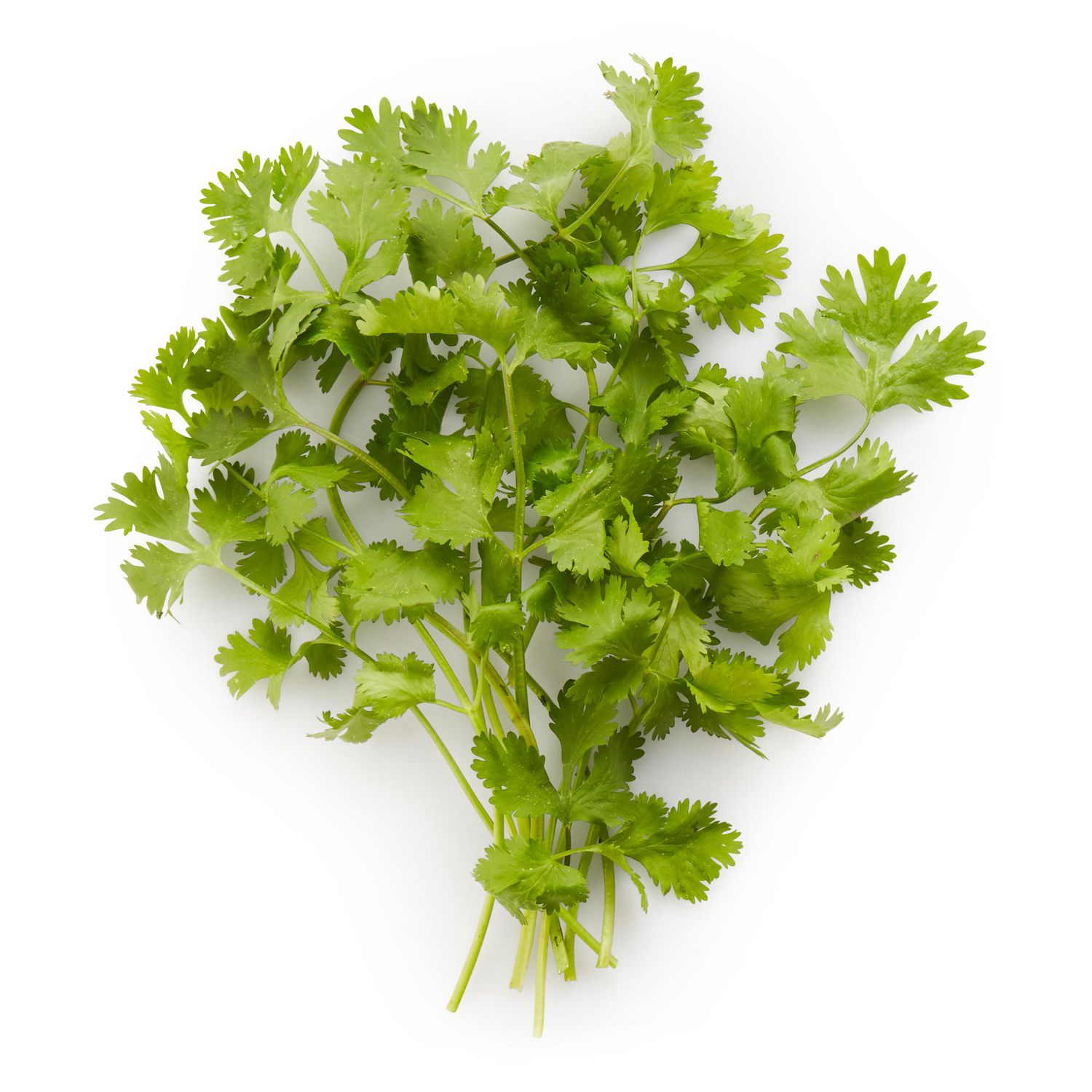
Cilantro
Analysis updated June 2026 · How Scout scores
At a glance
Summary
This product contains a mix of beneficial ingredients such as extra-virgin olive oil, lime juice, and fresh herbs like cilantro and parsley, which contribute to its nutritional value. However, the presence of processed ingredients like soy sauce, catsup, and cornstarch, along with the use of peanut oil, increases its processing level. While the ingredient list is relatively clean, the processing level limits its score.
Key ingredients 25
Extra virgin olive oilVery Good
High-quality monounsaturated fat with anti-inflammatory properties. Contains antioxidants that support heart health. Cold-pressed extraction preserves beneficial compounds.
Benefits
Rich in monounsaturated fats that support heart health and provide anti-inflammatory properties. Contains antioxidants like vitamin E and polyphenols that may reduce oxidative stress.
Lime juiceGood
Natural source of vitamin C and antioxidants. Enhances flavor and aids in digestion. Freshly squeezed lime juice is preferable for maximum nutrient retention.
Benefits
Provides vitamin C which supports immune function and skin health. Antioxidants in lime juice may help reduce inflammation.
GarlicGood
Contains allicin, which has antimicrobial and antioxidant properties. May help reduce blood pressure and improve cholesterol levels. Fresh garlic is more beneficial than processed forms.
Risks
May cause digestive discomfort in some individuals when consumed in large amounts.
Benefits
Supports cardiovascular health and has potential immune-boosting effects.
CilantroGood
Rich in antioxidants and vitamins A, C, and K. May help in detoxifying heavy metals from the body. Fresh cilantro provides the most health benefits.
Benefits
May aid in digestion and has anti-inflammatory properties.
ParsleyGood
High in vitamins A, C, and K, and contains antioxidants. May support bone health and reduce oxidative stress. Fresh parsley is more nutrient-dense than dried.
Benefits
Supports immune function and may improve bone health due to its vitamin K content.
OreganoGood
Contains antioxidants and compounds with antimicrobial properties. May support immune health and reduce inflammation. Fresh oregano offers more potent health benefits than dried.
Benefits
May help fight infections and support respiratory health.
Red pepper flakesGood
Adds spice and contains capsaicin, which has anti-inflammatory properties. May boost metabolism and support weight management. Freshly ground pepper flakes retain more capsaicin.
Risks
May cause digestive discomfort in sensitive individuals.
Benefits
May enhance metabolism and provide antioxidant benefits.
CuminGood
Rich in iron and contains antioxidants. May aid in digestion and improve blood cholesterol levels. Whole cumin seeds are more beneficial than ground.
Benefits
Supports digestive health and may improve blood sugar control.
PaprikaGood
Contains antioxidants and vitamins A and E. May support eye health and reduce inflammation. Freshly ground paprika retains more nutrients.
Benefits
May support immune function and provide anti-inflammatory benefits.
Garlic powderGood
Concentrated whole-food seasoning.
Benefits
Offers a convenient way to add garlic flavor to dishes.
Ground red pepperGood
Contains capsaicin, which may have anti-inflammatory and metabolism-boosting effects. Adds spice and flavor to dishes. Freshly ground pepper retains more capsaicin.
Risks
May cause digestive discomfort in sensitive individuals.
Benefits
May enhance metabolism and provide antioxidant benefits.
ShrimpGood
High-quality protein source rich in omega-3 fatty acids. Supports muscle growth and cardiovascular health. Wild-caught shrimp are preferable for lower contaminant levels.
Risks
Potential allergen for some individuals and may contain contaminants if not sourced sustainably.
Benefits
Provides essential amino acids and omega-3s that support heart and brain health.
Ground gingerGood
Contains gingerol, which has anti-inflammatory and antioxidant effects. May aid in digestion and reduce nausea. Fresh ginger offers more potent health benefits.
Benefits
Supports digestive health and may reduce inflammation.
HoneyGood
Natural sweetener with antioxidants and antimicrobial properties. Provides a healthier alternative to refined sugar. Raw honey retains more beneficial compounds.
Risks
High in sugars and should be consumed in moderation.
Benefits
May support immune health and provide antioxidants.
Sesame oilGood
Contains healthy fats and antioxidants. Adds a distinct flavor to dishes and may support heart health. Cold-pressed sesame oil retains more nutrients.
Risks
May cause allergic reactions in individuals with sesame allergies.
Benefits
Rich in healthy fats and antioxidants that support cardiovascular health.
Green onionsGood
Rich in vitamins A, C, and K, and contains antioxidants. May support immune health and reduce inflammation. Fresh green onions provide the most health benefits.
Benefits
Supports immune function and provides antioxidants.
VinegarNeutral
Used as a flavor enhancer and preservative. Contains acetic acid which may aid in digestion. The health impact is generally neutral unless consumed in excess.
Risks
Excessive consumption may lead to digestive discomfort.
Benefits
May help with blood sugar control and improve digestion.
SaltNeutral
Common seasoning used to enhance flavor. Provides essential sodium but lacks trace minerals found in unrefined salts. Excessive intake can lead to health issues.
Risks
High sodium intake may contribute to hypertension and cardiovascular disease.
Benefits
Essential for maintaining fluid balance and nerve function.
Chicken brothNeutral
Used as a base for soups and sauces. Provides flavor and some nutrients but can be high in sodium. Homemade broth is preferable for lower sodium content.
Risks
High sodium content may be a concern for individuals with hypertension.
Benefits
Adds flavor and some nutrients to dishes.
CornstarchNeutral
Common thickening agent used in cooking. Provides no significant nutritional benefits. Typically used in small amounts to achieve desired texture.
Benefits
Offers a convenient way to thicken sauces and soups.
CatsupNeutral
Common condiment made from tomatoes, vinegar, and spices. Contains added sugars and sodium. Homemade versions can be healthier with reduced sugar content.
Risks
High sugar and sodium content may be a concern for some individuals.
Benefits
Provides flavor and some antioxidants from tomatoes.
White vinegarNeutral
Used as a preservative and flavor enhancer. Contains acetic acid which may aid in digestion. Generally neutral in health impact unless consumed in excess.
Risks
Excessive consumption may lead to digestive discomfort.
Benefits
May help with blood sugar control and improve digestion.
Dry sherryNeutral
Used as a flavoring agent in cooking. Contains alcohol which evaporates during cooking. Provides depth of flavor but no significant nutritional benefits.
Benefits
Enhances flavor in dishes without adding significant calories.
Soy sauceNeutral
Common condiment used for flavoring. High in sodium and contains soy, which may be allergenic. Low-sodium versions are available for reduced sodium intake.
Risks
High sodium content may be a concern for individuals with hypertension.
Benefits
Adds umami flavor to dishes.
Peanut oilBad
Processed additive flagged under Scout's ingredient doctrine.
Risks
May cause allergic reactions in individuals with peanut allergies.
Benefits
Provides a stable cooking oil option with a high smoke point.
Processing
Processed Foods
Get the full breakdown in the Scout appTake Scout shopping
Scan any product to see lab results, healthy alternatives, and your personalized analysis.
Download on theApp Store GET IT ONGoogle PlayAmazon pricing & content
Amazon price as of . Product prices and availability are accurate as of the date/time indicated and are subject to change. Any price and availability information displayed on Amazon.com at the time of purchase will apply to the purchase of this product.
CERTAIN CONTENT THAT APPEARS ON THIS SITE COMES FROM AMAZON. THIS CONTENT IS PROVIDED “AS IS” AND IS SUBJECT TO CHANGE OR REMOVAL AT ANY TIME.